Julia Driscoll: Wicked Women Makers Market
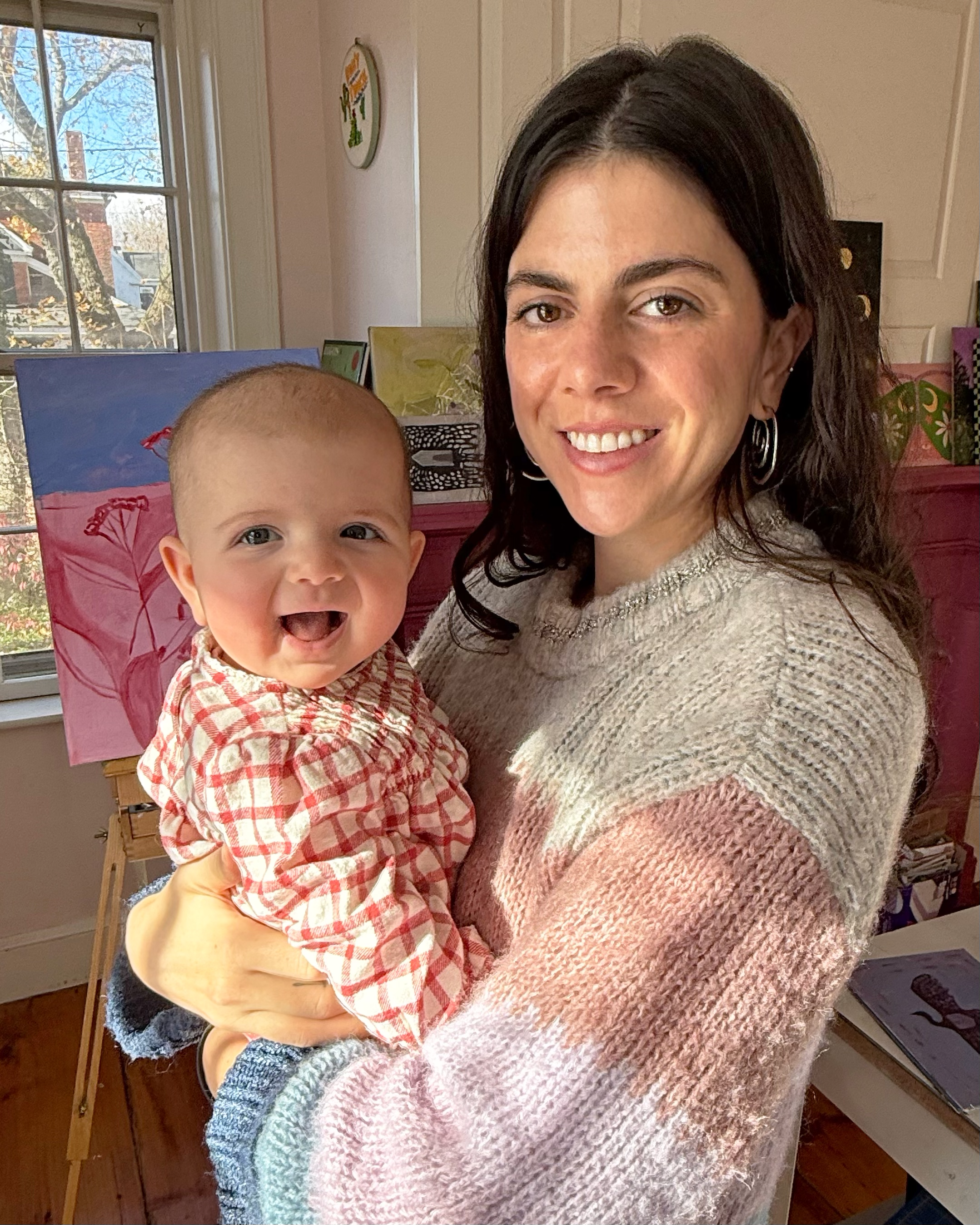
Art gives me the power to connect with ours
Wicked Women’s Makers Market
Instagram: @wickedwomenmakersmarket
I believe the arts — and the people who make and support them — matter because they hold communities together in more meaningful ways. Art helps us process life, celebrate our everyday lives, and make sense of feelings that are heavy or beautiful. It creates connection in a time when many people feel alone, and it reminds us that creativity and the arts belong to everyone, not just a select few. I’ve seen firsthand how a single class, exhibit, or community event can change someone’s confidence, help an artist feel seen, or inspire a young person to take themselves seriously for the first time. Supporting artists isn’t just about culture — it’s about building a healthier, more vibrant community where people feel seen, welcome, and valued for their contributions.
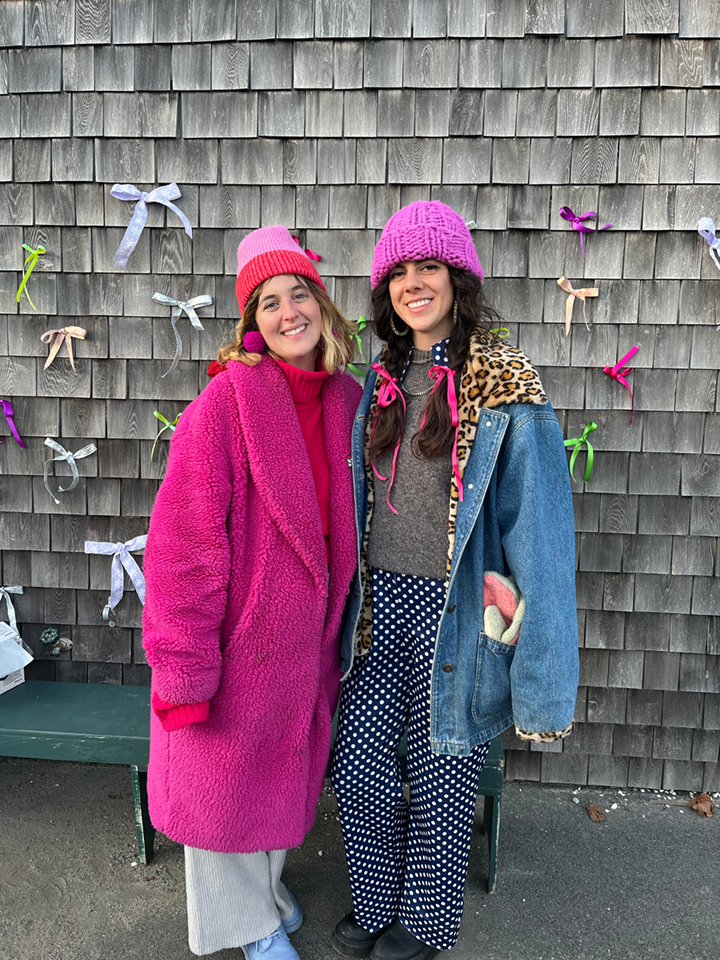
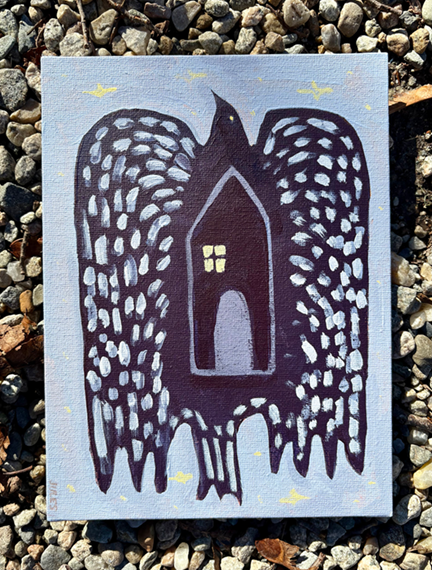
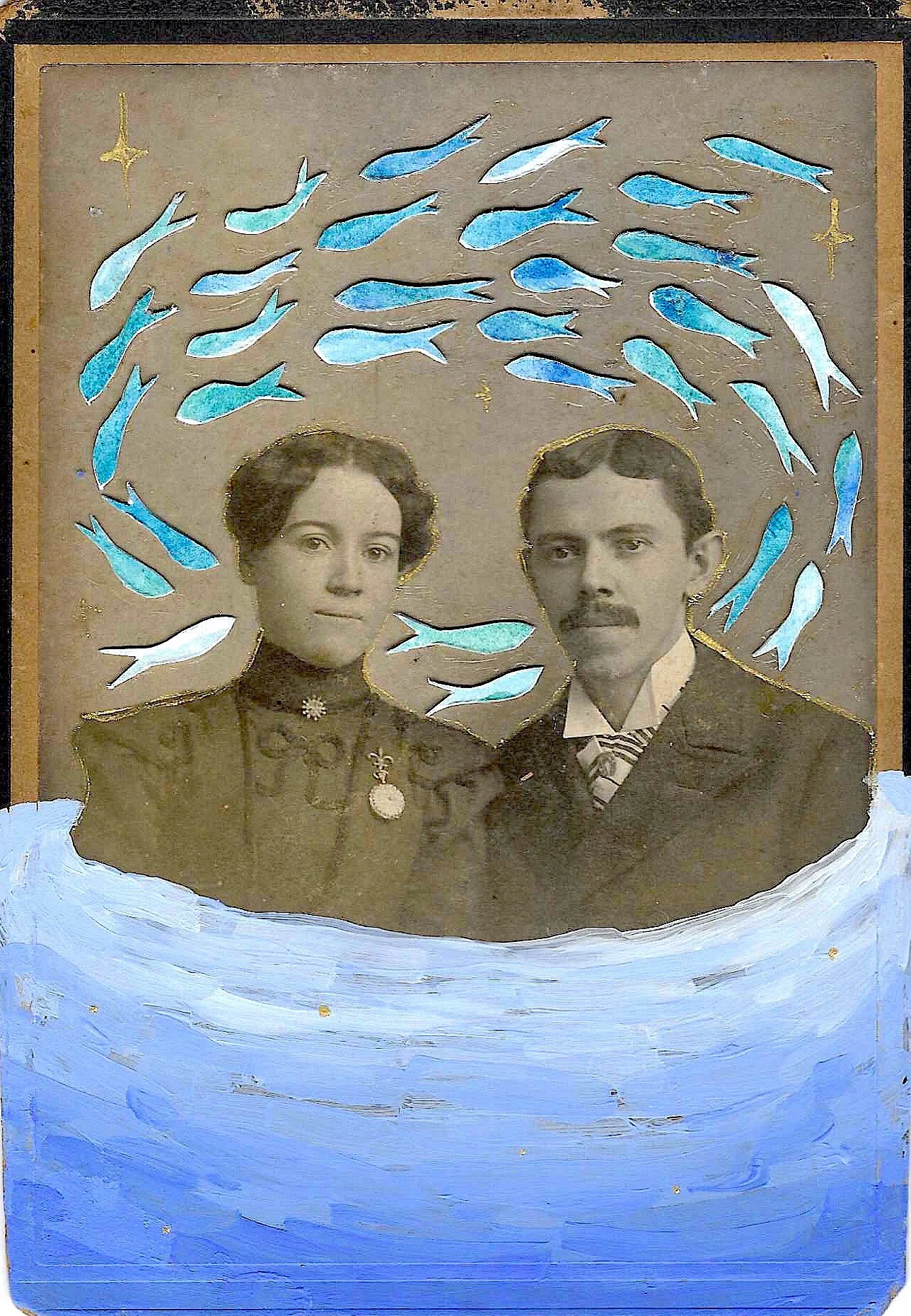
“I believe creativity isn’t a luxury. It’s essential, and everyone deserves access to it”
I help create opportunities for artists to be seen, supported, and connected through community events, programs, and partnerships.
What role do you play in the arts community, and what does that role mean to youpersonally?
I play a role as both an arts organizer and advocate. Someone who helps create real opportunities for artists to share their work, connect with the community, and feel supported.
Through my work at North River Arts Society and through events like the Wicked Women Makers Market, I’m involved in building platforms where artists can be seen, valued, and paid for their work.
Personally, art means everything to me. I’ve always been an artist at the core, and art has always been at the forefront of my life. Not something I find time to do, but something integral to my day-to-day. And I know how hard it can be to find spaces that feel welcoming, accessible, and truly supportive. This work feels like a way to strengthen the already vibrant creative community on the South Shore.
What moment led you to this work?
There wasn’t just one moment — it was more like a series of experiences that added up. I grew up on the South Shore and was pursuing my own career in the arts. As any artist knows, going through the grind on my own, I realized I missed being part of something more community-centered and meaningful. Some place where artists supported one another and understood each other.
A big turning point was realizing how many talented artists were around me and how few opportunities there were locally for them to exhibit, sell, or be celebrated as they deserved.
Co-founding the Wicked Women Makers Market and joining North River Arts Society made it clear to me: I didn’t just want to make art, I wanted to help build the spaces where art can thrive.
Why does this matter?
Right now, people are craving connection while operating in a world that feels divided. The arts create a connection in a way nothing else can. At the same time, it’s becoming harder for artists to sustain themselves. Costs are rising, venues are disappearing, and creative work is often undervalued.
This work matters because it helps keep creativity visible and accessible in everyday life in our small community — not just in big cities or exclusive spaces. It reminds people that art is not a luxury. It’s part of what makes a community feel alive and is fundamental to making our spaces feel special.
How does your work help artists or creative people grow, connect, or feel supported?
A big part of my work is removing barriers. I help create events and programs where artists can participate without needing insider connections, a huge budget, or years of experience. Whether it’s through North River Arts Festival, a makers market, or a youth exhibit, the goal is always the same: create a supportive structure so artists can show up and do what they do best.
I also try to build environments that feel genuinely welcoming, where artists meet, collaborate, and feel less alone in their work. So much of creative life can be isolating, and community changes everything. Connecting with other artists creates greater opportunities, and I believe there is power in collaboration.
What impact are you most proud of so far?
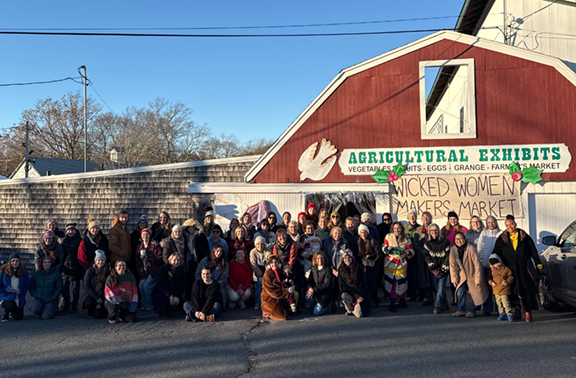
I’m most proud that the programs I’ve helped build have grown into real community traditions. The Wicked Women Makers Market started as a small gathering of 12 artists at my co-founder’s home, and it has grown into a major annual event with 45 vendors and over 1,500 shoppers.
At North River Arts Society, I’m proud to have helped expand the Festival of the Arts into something that includes so many local partners — schools, musicians, dancers, poets, food trucks, small businesses, and artists of all ages. It’s become a weekend where the whole community feels invited into the arts.
What challenges have you had to navigate in building or sustaining this work?
One of the biggest challenges is sustainability — financially and personally. Community arts work is often held together by a lot of behind-the-scenes labor, much of which is unpaid or underpaid. You’re constantly balancing big ideas with limited budgets, limited staff or volunteers, and the reality that artists deserve fair compensation.
Another challenge is growth. As events become more popular, you have to build better systems: volunteer coordination, accessibility, safety planning, vendor management, and fundraising. Growth is exciting, but it comes with real pressure — and the goal is always to grow without losing the heart of what made it special in the first place.
On top of these challenges as a community leader, personally finding time to make these efforts outside of my own artistic practice, as a small business owner, and in my new role as a mother, is very challenging. You find ways to fit work in, but maintaining a healthy life/work balance is always challenging and something I struggle with. I feel a huge amount of responsibility in my role and the pressure to not let others down. I am also trying to find time to fulfill my own creative needs while being the best parent possible. I know this is a challenge I don’t face alone, and a pressure many mothers and artists face. Being able to approach situations knowing that every person is experiencing their own struggles only helps us relate to one another, understand, and feel compassionate.
How do you define “community” in the context of the arts?
To me, community in the arts means shared ownership. It means the arts aren’t something that happens “for” people — they’re something people actively participate in. Community arts are intergenerational, welcoming, and rooted in place.
It also means access: making sure that people feel invited, represented, and included, whether they’re a professional artist, a teenager showing work for the first time, or someone who hasn’t made art since childhood but wants to try.
What are you actively building or dreaming about next?
I’m actively working to expand opportunities for artists while also strengthening the behind-the-scenes infrastructure. That includes growing community partnerships, increasing funding so programs are sustainable, and creating more opportunities for artists to learn.
I think we are fortunate to live on the South Shore, where the arts are already ingrained in our community, whether we know it or not. We have a very strong community of artists here on the South Shore who are doing very cool things. But in the long term, I’m dreaming of a South Shore arts culture that feels impossible to ignore — where artists can truly thrive locally, where creative work is valued, and where community events continue to grow into meaningful, inclusive traditions.
I also dream of growing my own practice, spending more time on my own art making, and investing in my own artistic future.
Art brings people together, makes a place feel vibrant, and helps us feel more connected to where we live and to each other. I believe creativity isn’t a luxury. It’s essential, and everyone deserves access to it, whether they call themselves an artist or not. So much of art leadership is invisible, underpaid work; Building trust, logistics, fundraising, and advocacy, and it only works when artists are valued and supported sustainably.