Please Don’t Call Michelle and Judy “Women Engineers.”
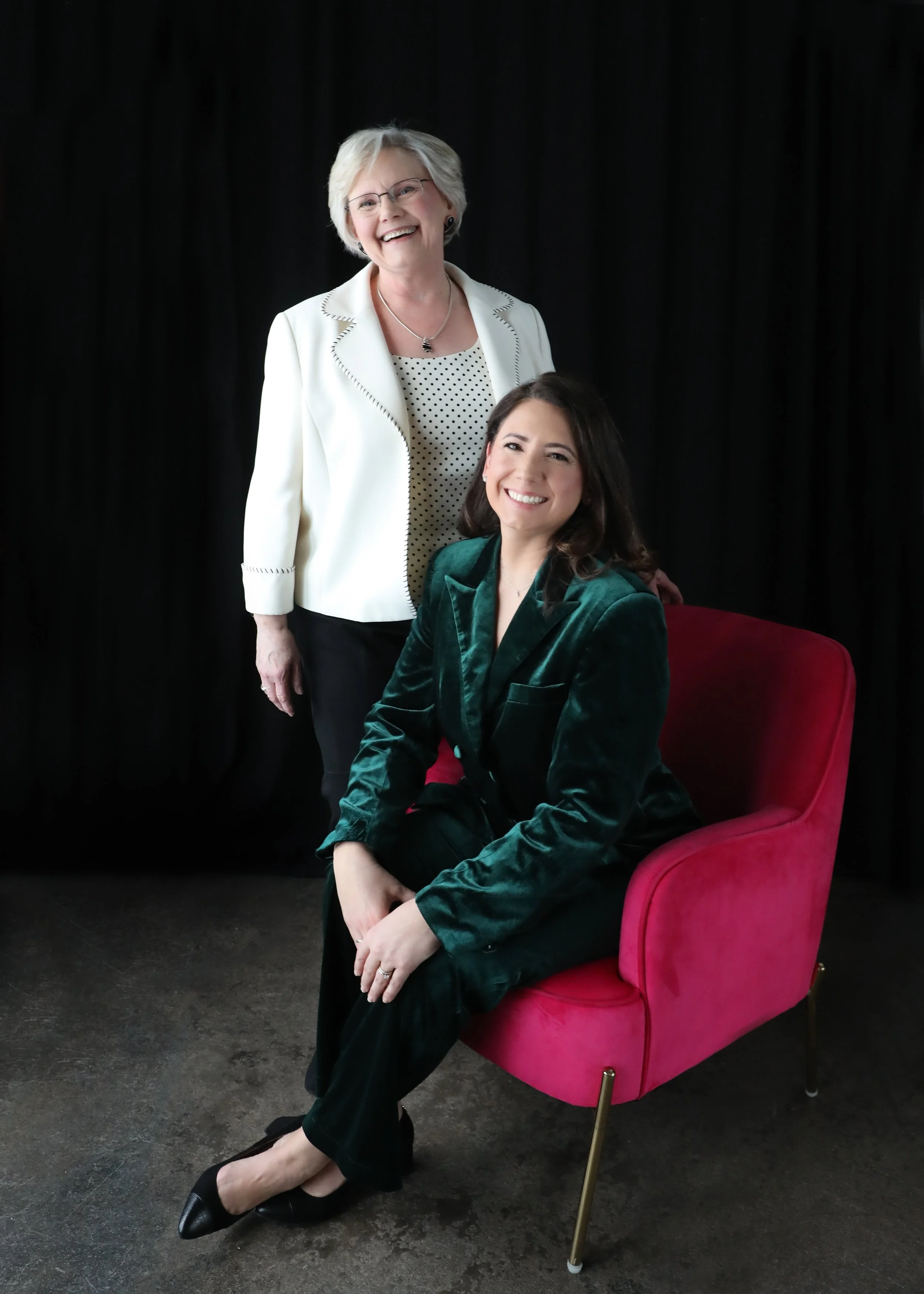
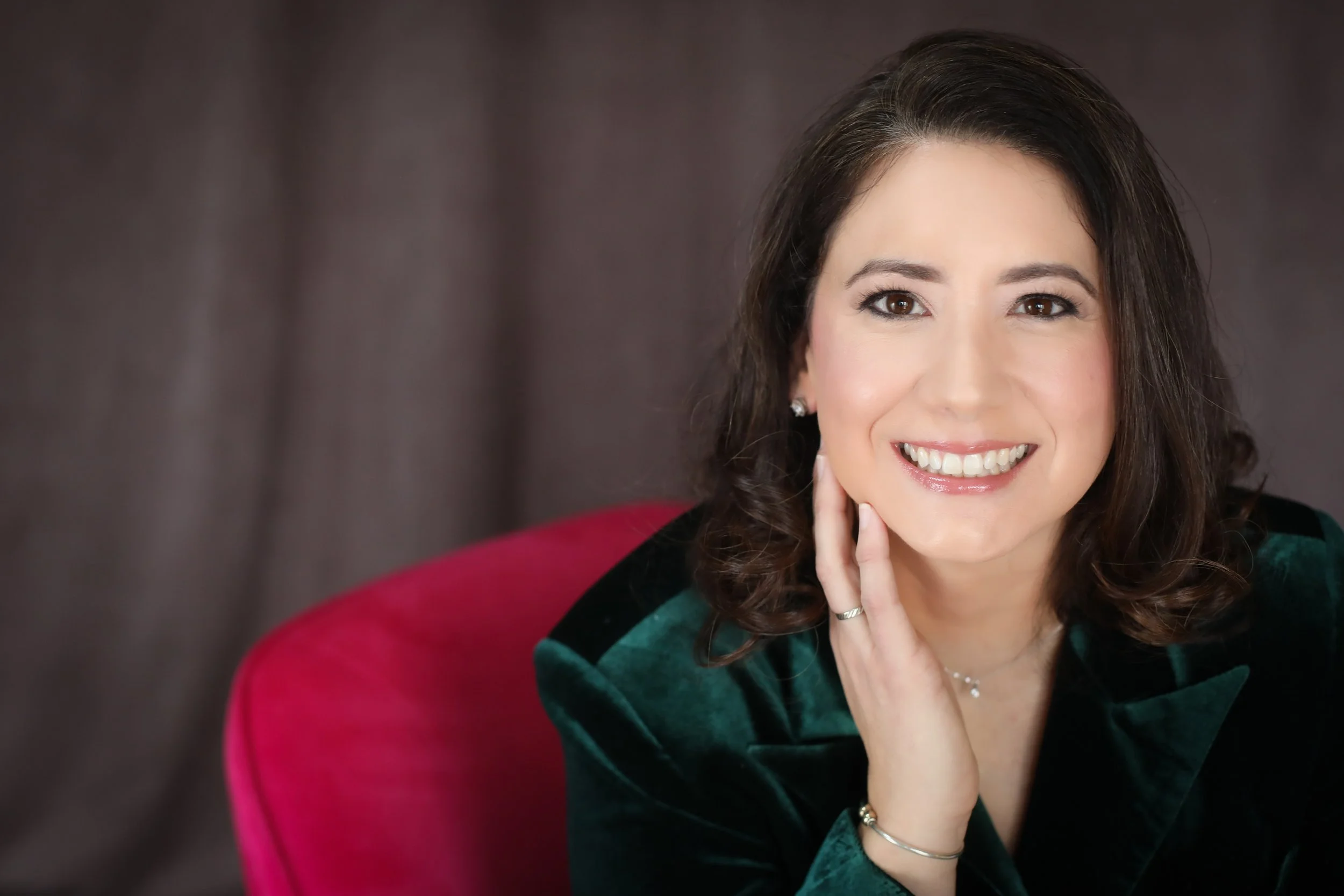
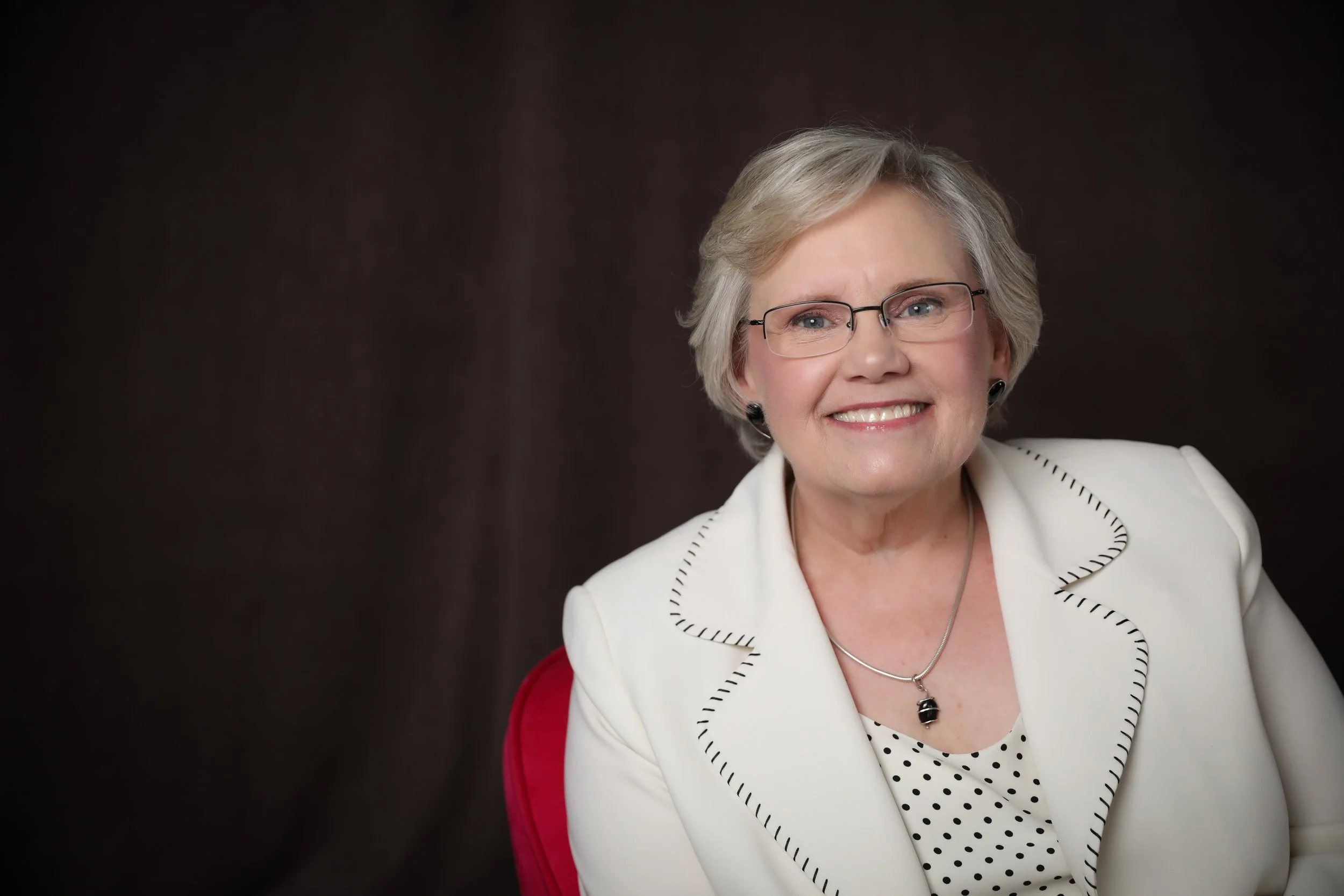
Photos: Stephanie C. Olsen
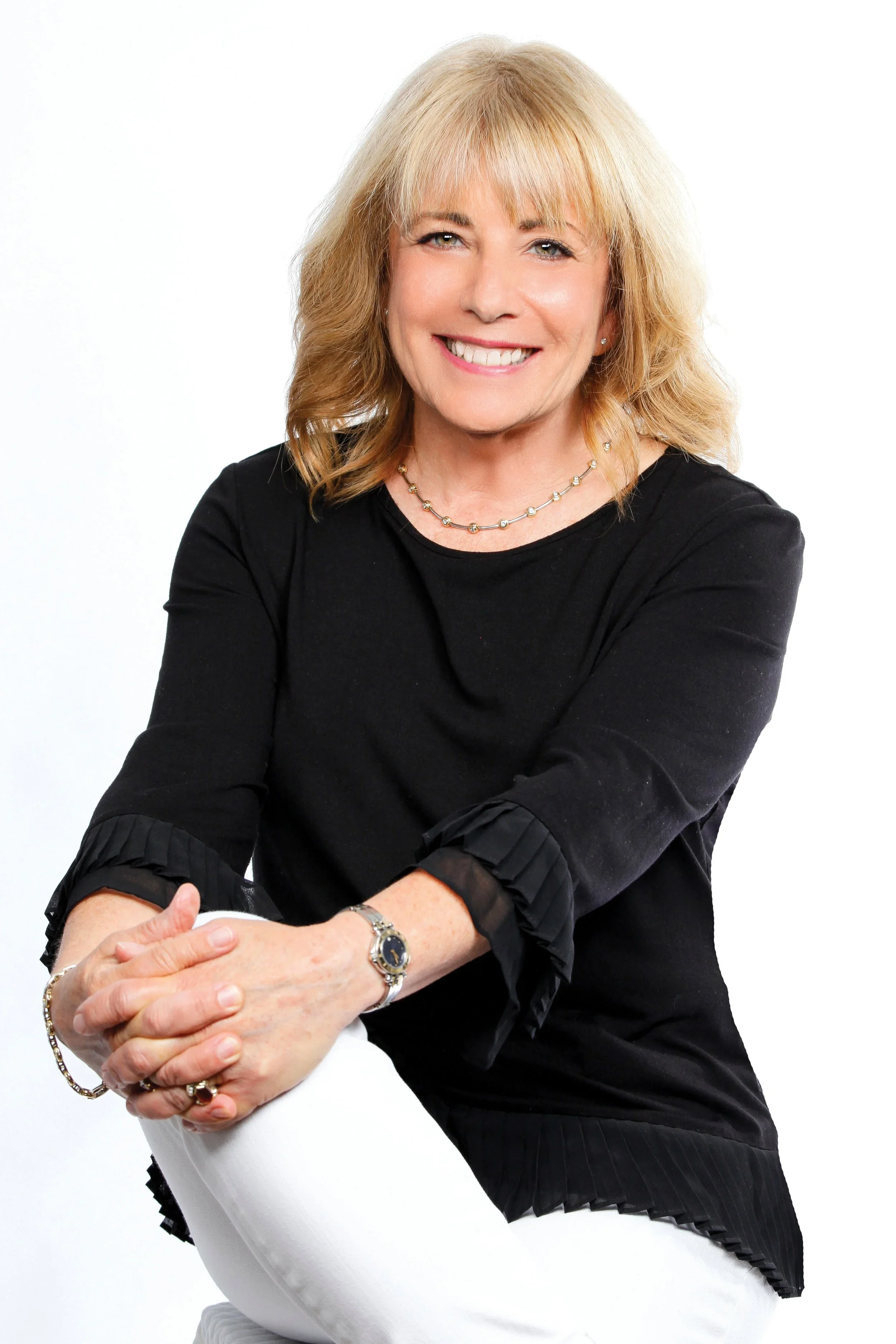
Judy Nitsch and Michelle Sanchez Henry graduated from engineering school 30 years apart. In 1971, the ratio of men to women at Judy’s engineering school was 25:1. In 2003, Michelle was the only female graduating in her mechanical engineering class. Judy didn’t work with another woman engineer for the first eight years of her career. Michelle has a successful career without the distinction of “woman engineer.”
We put the two together and thought we’d uncover shocking truths about the hurdles women face in the engineering field. But here’s what we took away: Some men in STEM are great feminists, but not a lot has changed.
Our conversation starts here:
You know, a little bit about each other. There are about 30 years between the time each of you graduated from college. I wanted to back into this conversation by discussing your education, starting with Judy. At the time that you were starting college: What was it like trying to get into a science-based program as a woman in the 1970s?
Judy: I graduated high school in 1971. When I took the PSATs as a junior, I sent the results to RPI, MIT, Clarkson, WPI, and UConn—my parents both went to UConn—and UMass as a safety. I got a letter from WPI the summer after my junior year saying, essentially, if you apply, you’ll be accepted. And I thought, that’s pretty cool. It turns out, they sent that letter to every girl who sent her scores to them. But that’s okay. I thought I was special. My dad took me to WPI for a tour. We had interviews—actually, I had an interview, and my dad had an interview with the head of admissions, because I think he wanted to make sure my dad knew there was a 25:1 men to women ratio at WPI at the time. Long story short, I applied and was accepted, early decision. (I was my high school valedictorian; I got As in everything: history, English, physics, math… everything.) The kicker was that my high school guidance counselor said to me, “You’re only going there because it’s a boy’s school.” I didn’t even realize that, but I looked at him and thought, okay, well, I’m going to show you.
That’s an interesting thing for him to say out loud.
Judy: Yeah, I was appalled, to be honest with you. But back then, I didn’t get the Excellence in Math or Excellence in Physics or Excellence in Chemistry awards at my high school graduation. Those STEM awards went to boys, because that was appropriate back then. And, again, at the time, I didn’t realize I wasn’t getting the recognition I should have. But I got the Excellence in Spanish award.
When your guidance counselor heard about your aspirations, what was his reaction?
Judy: I have no idea. But I had a high school math teacher, Mr. Perry, who was a phenomenal teacher, and he didn’t care if you were male, female, black, blue, whatever. If you liked math and you were interested, he was going to work with you. I remember writing letters to him during college and I went to visit him a couple of times after college. I remember just saying to him, “Thank you for treating me as a person who was good at and liked math.”
Did you get special treatment for being a woman at WPI?
Judy: I’d say none at all. I was in the fourth class that had women at WPI. So, when I was a freshman, there was one woman who was a senior. Almost every one of the 35 girls in my class was number 1, 2, or 3 in her high school class, so we were a different subset of the entire campus population. The valedictorian of my college class was a woman. All the women were spot on in a whole variety of things, so it was a fun place to be.
Another salient bit of information about me: I have an older sister and five younger brothers. My sister and I were always in charge of the boys. I’m sure that’s what my father said to the admissions counselor. I was always told I would make a good nurse or teacher. And I was a bit obdurate, and I said to myself, I’m not doing that. I mean, I just wanted to be different. And I liked math. I remember pouring through a catalog this thick of all colleges from all over the country to figure out what opportunities might be out there for me.
I didn’t really know what an engineer did then, but I knew that if I started college as a math major, I could switch to something else. And I knew I didn’t want to be a math major because math majors became teachers, which I had already nixed. Some math majors became computer scientists back then, but I was taking a Fortran class and didn’t like it. The third option was to become an actuary at an insurance company. As one of my teachers said, “You don’t have the personality to be an actuary.”
So, in my freshman year, I stood in the middle of campus and looked at the buildings. There was mechanical engineering, chemical engineering, electrical engineering—all of my potential majors, and I said, “I think I’ll be a civil engineer.” It was a stupid way to pick a college major, but when I think back to when I was a kid, I was always outside, building forts and things with the boys. I was always drawing floor plans. Then after my sophomore year, I got a job working for a civil engineering company. I stayed there through my senior year. The job I got out of college was virtually the same kind of work as that summer job but on a much larger scale. And then that’s the same kind of work that my firm – Nitsch Engineering – did, but again on a much, much larger scale.
Michelle, were you also out building forts and structures?
Michelle: So I’m a little more unique. My dad was a mechanical engineer. He did everything in our house. And I’m the oldest of three girls, so I was number one. My dad changed the oil in the cars, would do the brakes, was always out there tinkering on the cars, and I was his right-hand girl. I was always watching, handing him the tools, always helping. That’s where I got it from, for sure.
So, there was no question when you graduated high school that you were headed into engineering?
Michelle: Well, I had some encouragement from him. Like Judy, I am good at math and love math. I thought, I’m just going to do math. I want to be a math major. And my dad said, “You know, with math, you’re going to be a teacher or an accountant.” It’s funny that Judy was told the same thing.
He said, “You should look into engineering, give it a shot, see what happens. If you don’t like it, you can change.” So, I applied to the School of Engineering at UMass Amherst, Northeastern, and Tufts. I kept it down to three. Northeastern was my safety; Tufts was my reach. I am super happy that I ended up at UMass. But to be different from my dad, I said, “No, I’m going to try civil engineering.” And he said, “I don’t think you’re going to like it, you’re a mechanical girl.”
I went on campus tours in the late ’90s, checking out colleges and I think the girl that was doing the tours was at the College of Engineering, a civil engineer. That’s what I saw and I said I would try it. I made it through one semester. We were surveying a dam in Amherst. It was 20 degrees outside. I don’t like the cold! So I switched over to mechanical and never looked back.
I’m interested if anyone spoke to your dad about you being a woman.
Michelle: No, no, no! My dad was there at the open house. He was still the one pushing me into it. “You’ll be fine!”
And UMass is such a big school, such a big campus. But when you get into the College of Engineering itself, it gets smaller. When I started, there were plenty of women with me. But funny enough, by the time I graduated, I was one of 60. I was the only female in my mechanical engineering class that stuck it out.
Was that more of a problem of retention?
Michelle: Yeah, many of them switched, started in mechanical, switched to civil. We were in the mechanical and industrial engineering department, but they did segregate. So, I had girlfriends who were on the industrial engineering side. But once I got into my junior and senior years, I legitimately was the only female because industrial engineers took different classes than mechanical.
Were there any introductory programs, classes, electives, or anything that you were encouraged to take to talk about women engineers?
No, not for me at UMass. I mean, our intro to engineering classes were all the same. We were all together, men and women. We did have advisors. We were encouraged to join the Society of Women Engineers. On top of that I am Latina. So there was also a Hispanic engineering advisor–which I actually kind of railed against. I actually didn’t get segregated for being female, I got segregated for being Latina.
I went through first semester, and I was trying to register for second semester—and this was before you could even do it online—so, I did my registration by phone. I was told I needed another code. I had already met with my advisor. Why do I need another registration code? I went to the dean’s office and asked, “What is this?” They said, “You met with your advisor, but you didn’t meet with the advisor from the Hispanic Association.” “Why do I need that? I’m getting good grades. I met with my mechanical engineering advisor. What more do you want from me? Please don’t make me go through more hurdles. I’m doing well, I don’t need more help.”
I don’t know if my reaction was because I went to a school where I was treated like a “normal” person. But I just, I erupted. I don’t want to be treated differently. If you’re going to make me do this, take me off your list. Don’t count me as Latina. I’m done. I’m pretty sure I made a really big scene in there.
Was that the first time you’ve had that conversation? That you are—
Michelle: I am different.
Judy, you’re working to bring more diversity to boards. More voices, different perspectives. How do we handle the difference between the PR of diversity and the experiences of it?
Judy: So I think I can best answer that by telling you about Bob Rivers of Eastern Bank. He’s the current chairman of the bank, but let me back up first. I am on the Board of Advisors of Eastern Bank. That’s where my firm banked since the early ’90s. I was invited to serve as a Corporator of the bank because our firm made the Inc. 500 in the mid-90s, and, as a woman-owned engineering firm, we were somewhat high-profile. I went to my first Corporators meeting with about 200 white men and maybe five women in the room. But again, that ratio was normal for me, but I’ve always noticed things like that. Then I went from being a corporator to being invited to serve on the bank’s board of advisors. I think that’s because the bank wanted to make sure they had diversity of thought. When Bob Rivers became CEO, he created a special trustee nominating committee composed of many minorities and women from the board … he knew we had different circles of acquaintances than he did as a white male. Through this committee’s work, we had identified LGBTQ, Asian, African Americans, Latino/a, and women for the bank’s boards. And, we’ve all kind of gotten to know each other well. Eastern Bank knows that diversity of thought leads to better outcomes for our customers, employees, and stockholders. I’ve always admired what Bob has done, and I’ve tried to emulate that.
Some of those STEM men make great feminists.
Michelle, maybe the approach you experienced wasn’t exactly what you were looking for.
Michelle: I don’t know. I want to say that was ’99, early 2000. Maybe it was a knee-jerk reaction; Just don’t treat me differently. And I’m sure the intent was to support diversity. I was probably the wrong person. I’m really stubborn and independent. “I don’t need help. I’m fine.”
Now, in my company, we have all of the employee resource groups (ERGs). We’ve got a Hispanic one. We’ve got Asian and Pacific Islanders. We’re keen on continuing that breadth of diversity. It is, and we are diverse. We’re global.
I’d love to know how the two of you learned about engineering, what engineers do.
Judy: I really had no idea what an engineer did. But I have to say, my parents brought us kids up with the idea that “You can do anything you want to do.” So, I really had no idea that being an engineer was unusual for a girl… absolutely no idea. I look back, and I say it was the perfect choice for me. I’m a researcher. I read everything I can. I like to figure things out. I remember looking at everything about WPI, reading about all the different majors and things. And, I knew that was going to be a good place for me. And my first day on campus as a freshman, I remember getting out of the car and looking around, and I felt normal. I wasn’t one of the smart ones, like in high school… I was definitely not smart in college. I had a B average. But, you know, I got through my engineering curriculum in four years and even spent a semester as an exchange student in London. So, that says a lot. I joke that even with a B average, you can turn out okay.
Michelle: Right there with you. I remember crying. I’m similar to you; I’m a straight-A student, all through high school. For me, our first engineering class would have been statics. And I think I got a 60 on the test. I called my dad, the only person who could relate. “I’m not good at this!” He said, “You’re fine. What was the average? Nobody gets a 100. Ride the curve.” And I held on to that so tight because it was devastating to see such a low grade when you’re used to seeing As.
Judy: My freshman year, I think I had a B average in the first semester. In the second semester, I got a D in one course. I’d never gotten a D in my life, but it was in economics. I remember reading all the assignments and attending all the classes. We had two “multiple-guess” exams, and I flunked them. I thought, “Okay, I just don’t get this.” Or maybe the teacher didn’t teach it well. I don’t know what it was, but I didn’t understand it. But two years later, I took engineering economics and I got an A. That economics made sense to me. So, you know, I’m not as good at theoretical things; I like concrete things. And I’m good at that.
How do you compare how you were raised with your peers who were going for more–and I hate using this word—“traditional” career paths for women, or even staying at home.
Judy: I can give you a couple of examples. So, with seven kids, we each had our night to do the dishes. It wasn’t just the girls who did the dishes. Whoever was 12 years old had to mow the lawn that summer. So my sister did it, and then I did it for two years, and then my brother Eric took over. Also, my mother was a nurse at the hospital. She worked nights, so she’d come home on Saturday morning and put up a big to-do list of chores on the refrigerator, and whoever got up early got to pick what they wanted to do. Well, my sister, who became an elementary school teacher, chose to take care of the three little boys. My reaction was, “Oh, you can have that!” I wanted jobs that had a beginning, a middle, and an end, like ironing my dad’s shirts, washing the car, or washing the kitchen floor. I liked tasks where I could see results.
Another thing my parents did was play cards with us. When we were young, it was my dad and I against my mother and my sister. We were not treated like kids. We were treated like adults. We had to know the strategy. We played a lot of high-low-jack, or pitch. We were expected to play like adults. And it was terrific fun. I also remember playing poker one-on-one with my dad – I was probably nine years old. But playing card games reinforced numbers, and that helped make me comfortable with them.
What about you, Michelle? Did you feel like you were raised a little differently than the other kids?
Michelle: Not terribly for me, I don’t know. We were all good at math, like Judy. I remember playing cribbage with my dad growing up, so, similar to Judy. The numbers, right? Numbers, cards, cribbage, chess strategy, you know, and my dad is—I even tell my son, “Papa is the smartest man you’ll ever know. He’s smarter than me.” I think because I fell into that role of being the person who helped dad do everything, that definitely is a piece of what got me into mechanical engineering. You know, I followed in his footsteps. We worked at the same company. When I graduated, I did not go into the same thing that he did, though. I sidetracked into supply chain for 10 years because I wanted to be hands-on. And I think that came from constantly tinkering with stuff with him.
But my friends, all of my girlfriends from high school, we did all go to college; one went and became a speech language pathologist, that’s in the sciences. Another one went into chemistry. So, you know, intelligent women that I went through high school with. And then, of course, the females that I met when I was at UMass. I think we all just came from encouraging households with parents who said, “Do what you want to do.”
Judy: I remember being at a Society of Women Engineers conference with AMITA, the MIT Women Alumni Association, in the ’70s or ’80s, and a speaker asked, “How many of you are first born?” There were probably 400 women in the room. And 90% of the women in the room raised their hands. The speaker said that’s the subset of women who tend to become engineers. Women, not necessarily men, but women, because we were given other opportunities as the first-born than the middle or youngest. We were more adventurous and likely exposed to more opportunities.
So then, who was telling young women and girls that engineering is not for them? Because we know it was happening, just 16% of engineers are women today.
Judy: I think it’s just not entering anyone’s head: teachers, parents, or girls. You know the phrase actor and activist Geena Davis uses, “If she can see it, she can be it.” And over the last 50 years, girls have become doctors and lawyers, more so than they ever were when I was growing up. That’s partly because they see women lawyers on TV, and they go to women doctors. None of them ever sees women engineers. And their parents don’t know anything about engineering. So they don’t think to encourage girls to explore engineering as a career. They just don’t consider it; it just doesn’t enter their heads. And I think as for guidance counselors, they could all probably use a, uh, what’s a polite way to say …
A primer?
Judy: Yes, they could use a primer on girls’ potential for different careers, like engineering. I can remember reading Parade magazine, when you used to get the hard copy in the Sunday paper, and they’d have an annual cover article on the highest-paying professions, and sometimes include what men versus women made. Engineering was the only career in which women college graduates had higher starting salaries than men. This was probably 30 or 35 years ago. But it was one of those things I talked to students about a lot. If you’re going to go to four years of college and you like math and science, well, there’s nothing wrong with engineering. You’ll make decent money, a decent salary, and have fun. It’s exciting figuring things out, solving problems, and helping clients. And that’s joyous in my mind.
Michelle: My husband’s the assistant principal at our middle school, so I’ve gone into the classrooms and talked to STEM classes. I try to instill that. I always give the teachers my information. I’m like, “This is what I do for my work. I’m an engineer. I would love to come in when you’re doing a science lesson or a math lesson. I’m always available to come in and support and talk about what I do.” I always surprise people when I tell them I work in aerospace. They’re like, “You do what?”
Judy: The National Society of Professional Engineers started a program called Introduce a Girl to Engineering Day in 2001. I read about it, but saw that there wasn’t a program in Massachusetts. I thought, well, shame on us, we’re the largest woman-owned engineering firm in the northeast, and we should be doing this. So the next year, Nitsch Engineering held that program with the Big Dig—talking about engineering on the Big Dig. We’ve done it every year since 2002, and routinely get 100 girls and their parents or teachers to come. Our goal, as Geena Davis said, is, “If she can see it, she can be it.” We have our young women engineers running the programs, speaking on the panels, and talking to the girls because they can relate to them better than someone my age can.
Michelle, you’re leading projects?
I’m now the senior engineer on our team. I am probably the expert, which is crazy to believe. I still feel like I just started. It’s weird how time works. I led the entire team on a recent project building an engine, and I would say about 50% of us were female, I think we still hit only that 19% female engineer number. But where I’ve always worked has had females who positively lead the charge. I’ve had so many great examples ahead of me.
Judy: Seven years out of college—I was 29—I considered starting my own firm. I talked to two men I knew who had firms like what I was doing, and one of them said to me, “Don’t start your own business unless you have a year’s salary in the bank.” I talked to the other guy and he said, tongue in cheek, “Don’t start your own business unless you have a wife who works because you need the health insurance and the salary because you’re not going to get paid for a year or two.” And so at age 29, I did not start my own business. But another seven years later, I was one of three partners at an engineering firm, and we were approached by a client who wanted to buy our business. I was 35, and the other two partners were 45 and 55… but the buyer only wanted two of us to remain. It was a bad recession, but I said, “I’m going to try this. If I don’t make it as an engineering firm, I’ll go to plan B.” My plan B was to work for a state agency because, as a female engineer with my professional engineer license, I knew I was marketable. Thankfully, 35 years later. I never had to use my plan B.
I look back at what I did at age 35. I was confident in myself and confident that we could do the engineering work well. There were things that frustrated me, though, such as the fact that I couldn’t get banks to approve me for funding to start a business back in 1989. I finally left Eastern Bank in 1994. As I said earlier, I was invited to be a bank corporator and then join the bank’s board of advisors, so I went from no bank calling me back to boom, I’m on the bank’s board of advisors.
I started my firm in 1989, and we got our certification as a women-owned business three years later. Our sales tripled each of the next two years because people knew I really was a civil engineer, and we were going to do real work on projects. I think it was 1994 when three-quarters of our work was as a Women Business Enterprise subconsultant on big public infrastructure projects for the MBTA, Massport, MassDOT, the Big Dig. There were a lot of opportunities for very good women-owned businesses.
And we positioned our firm for that work; we had an internal slogan to be the WBE of choice. We said we would only take on scopes of services that would help our firm grow. We weren’t going to do busy work. We were going to get real engineering work and become known as a solid engineering and land surveying firm… no longer just a WBE subconsultant, but the prime engineering firm leading projects. And we did that!
Michelle, what is it like to hear these things? As a woman engineer leading projects in aerospace now, I mean, does this surprise you?
Michelle: I would like to say thank you to Judy, for being a pioneer. I am thankful for the people I have had as managers who are just amazingly supportive. I would call them feminists because they’re just so supportive of all of the females that work under them. I hope other people look at us that way. We are individuals, and it doesn’t matter if you’re male or female. You’re working so your reputation can stand on its own. I am a person who takes the task that I’ve been given, the project I’ve been given, and I execute on it. I generally try to handle the details on my own and know when to escalate something. I’m going to use my network. I think networks are one of the best things that any engineer could have. If I’m not the expert in something, I know who is, and that person can help me.
Judy: It’s funny when you say that, because we get a lot of girls at our Introduce a Girl to Engineering Day, and they’re always a little timid because they are being exposed to new things. After a few years, we decided to hand out raffle tickets whenever they asked a question. We tell them that engineers are curious and want to figure things out. Engineers don’t know everything. So please ask questions. And they do!!
Michelle: I will say, and I’m sure Judy can talk to this, too, as women, we’re engineers, right? We’re professionals. We’re working equally as hard as the men. But at the same time, a lot of us are wives and mothers. And guess what defaults on us? Everything, right? So, we have to handle the childcare. I’m always dashing out of my office at 1:45 so I can get back home for the school bus pickup. And while I’m traveling down 93 and Route 3, guess what I’m doing? I’m still working on phone calls.
I think multitasking is our superpower.
Judy: Yeah, I agree totally.
Michelle: The women before me at our company were the ones who allowed flexible work hours and got us part-time schedules. Somebody working less than 40 hours was never a thing. I had a woman who worked with my dad, and she was one of the very first women in the late ‘80s and ‘90s to get a part-time schedule. Because of her, I was able to have my two children, work three days a week, and continue doing what I’m doing and what I love, until my kids were finally school age and I was able to get back to full-time work.
During COVID, the men I worked beside were dads, too. So when we were all stuck at home, they had their children right behind them, too. So now I think our world has become a little more adaptable and better at these types of conference calls where we might have a kid in the background screaming, and we all just ignore it. I don’t have to panic anymore when my daughter runs in, because they’ve had it happen to them.
That moment of validation?
Michelle: I left working in a manufacturing supply chain environment, and I went into a systems engineering role where we’re taking all the pieces of how to design a whole, brand-new engine and managing that team and making sure everybody’s on track for it. The validation I got was when we completed that very first engine and heard it fire up in the run.
Judy: I can remember the day I got my professional engineer license. To get that, one has to have an engineering degree, take an 8-hour national exam in college, and then pass another national exam after completing four years of engineering experience. You also have to submit paperwork demonstrating your design work and calculations. Getting licensed as an engineer in my field is critical. That means you can do work on your own, without working under someone else. You put your own stamp on your design work. Before I got my professional engineer license, and because I never looked my age (I was 21 when I graduated college and looked about 16), people often didn't think I was the engineer on a project, especially out in the field. I didn’t look the part. When I got my PE license, the firm immediately issued me new business cards with “professional engineer” on them, and all of a sudden, I was treated like an engineer. That was a real shot in the arm for me.