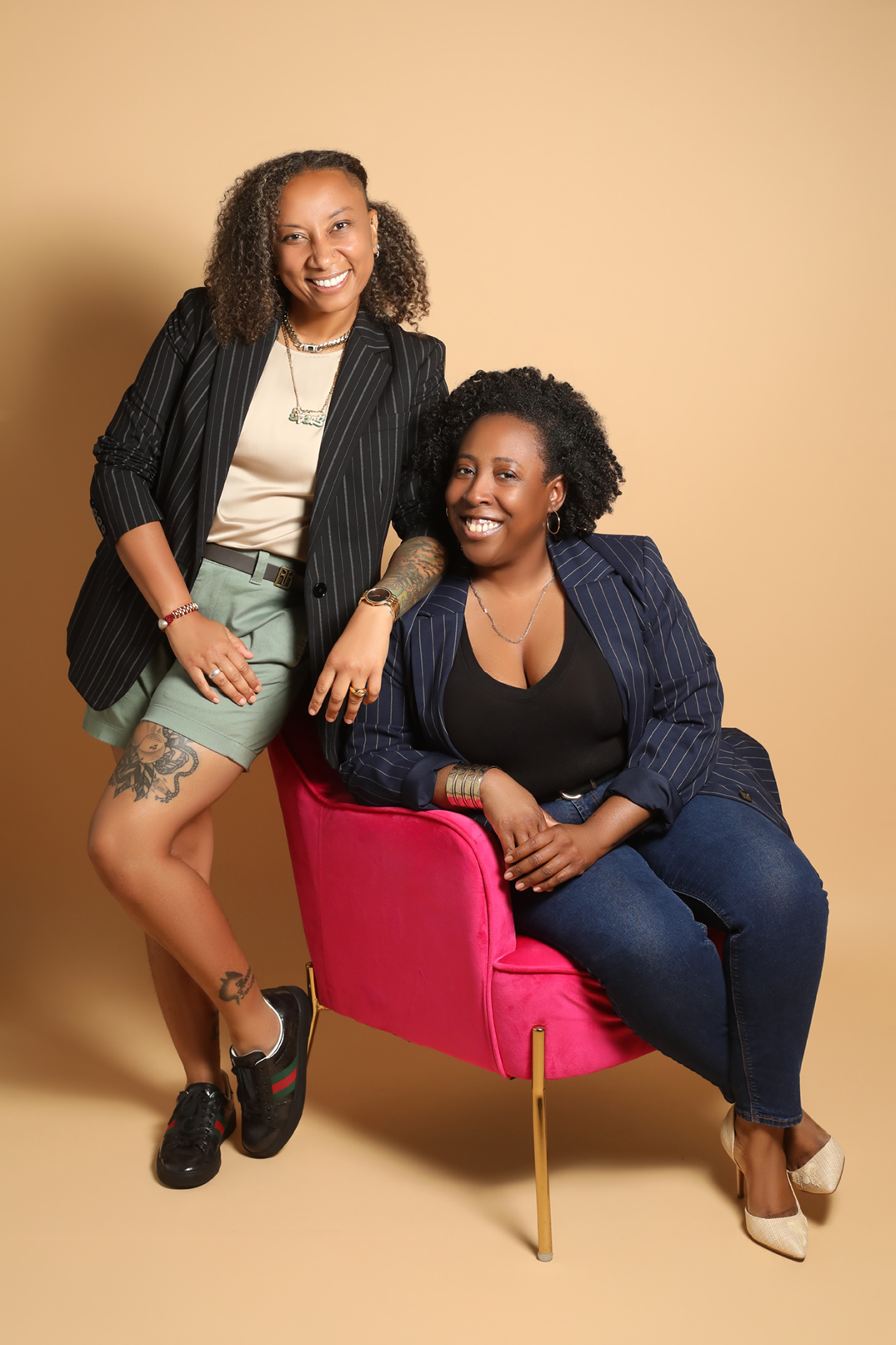
Shi + Monet + Naika Empower Youth
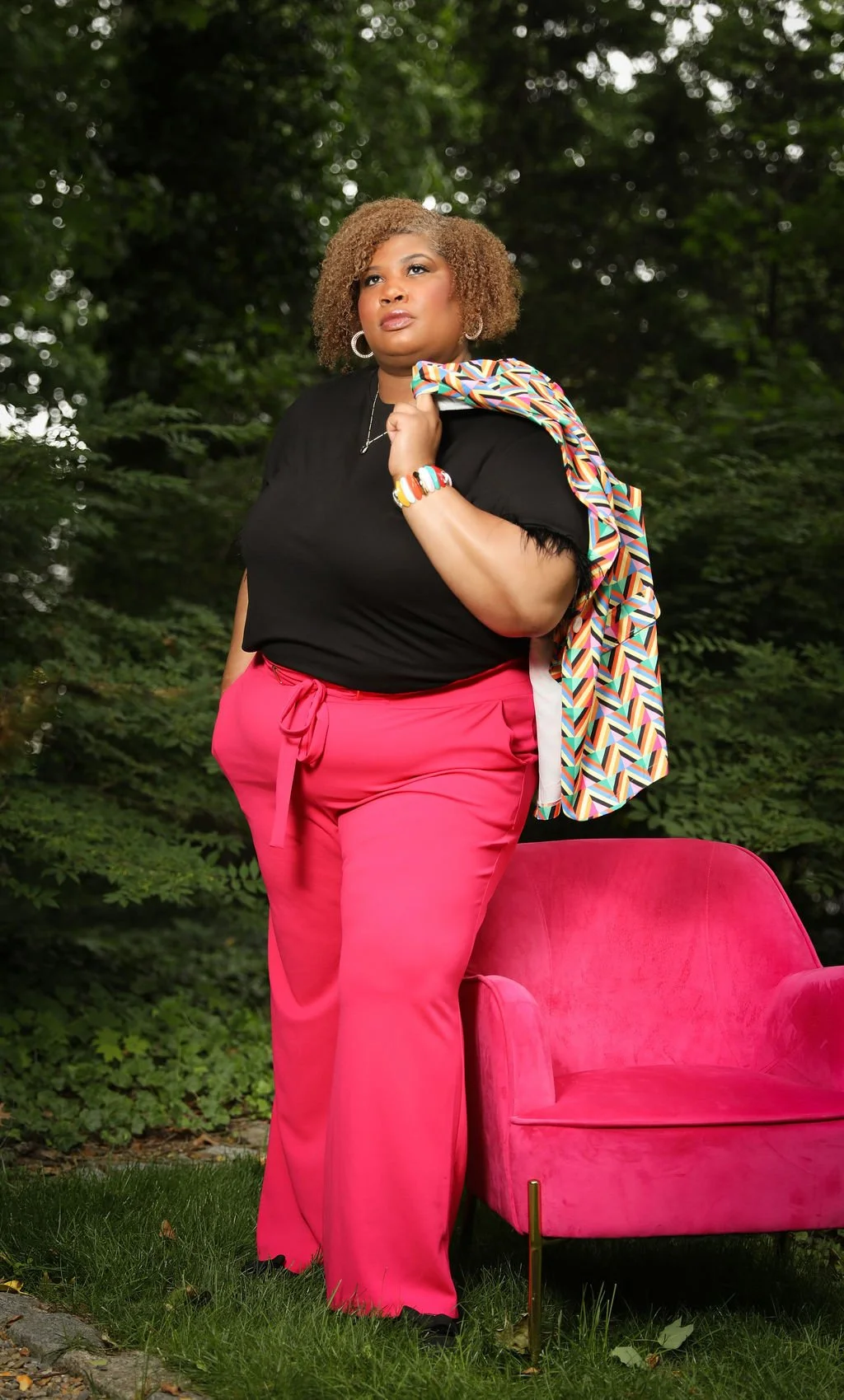
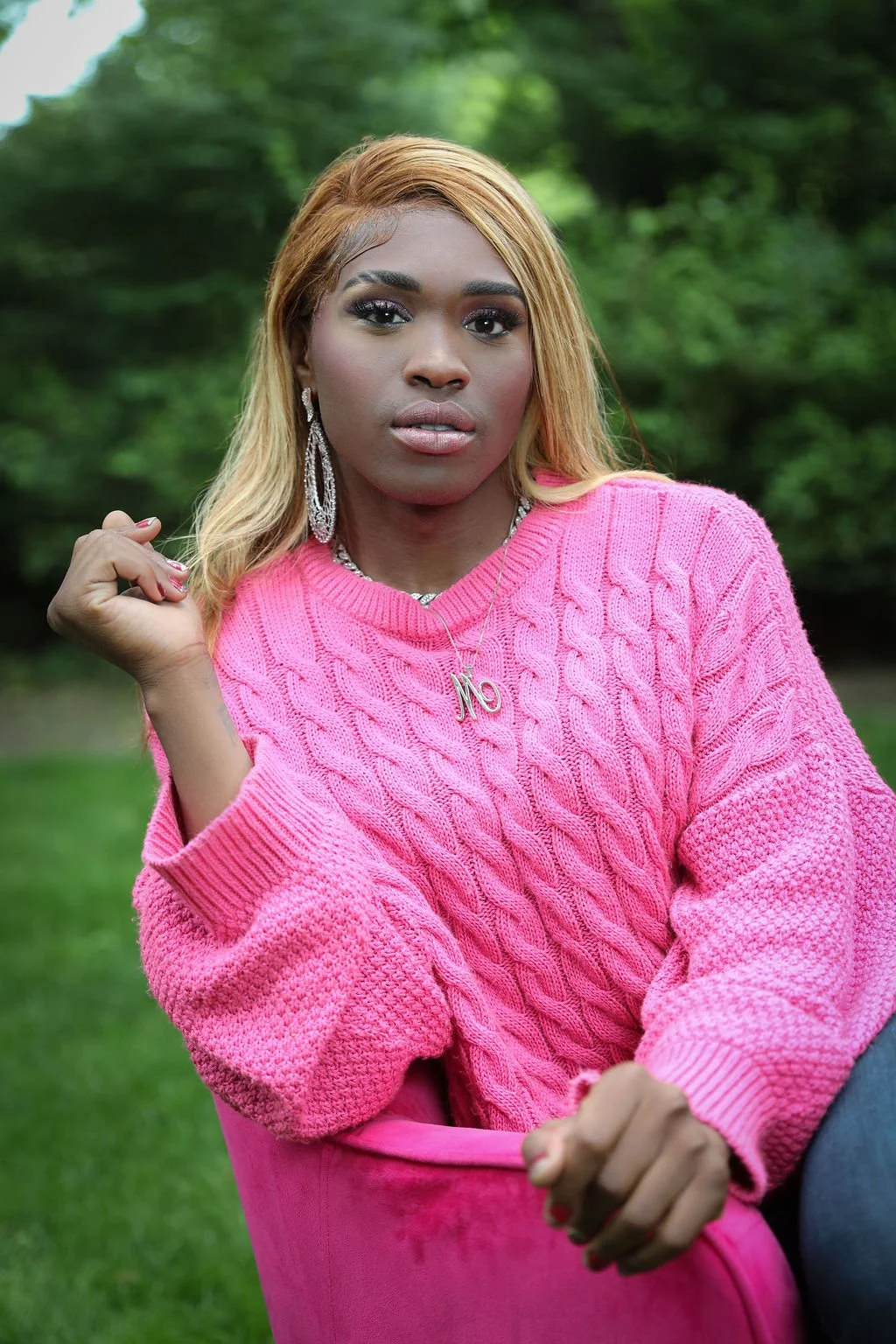

Photos: Stephanie C. Olsen
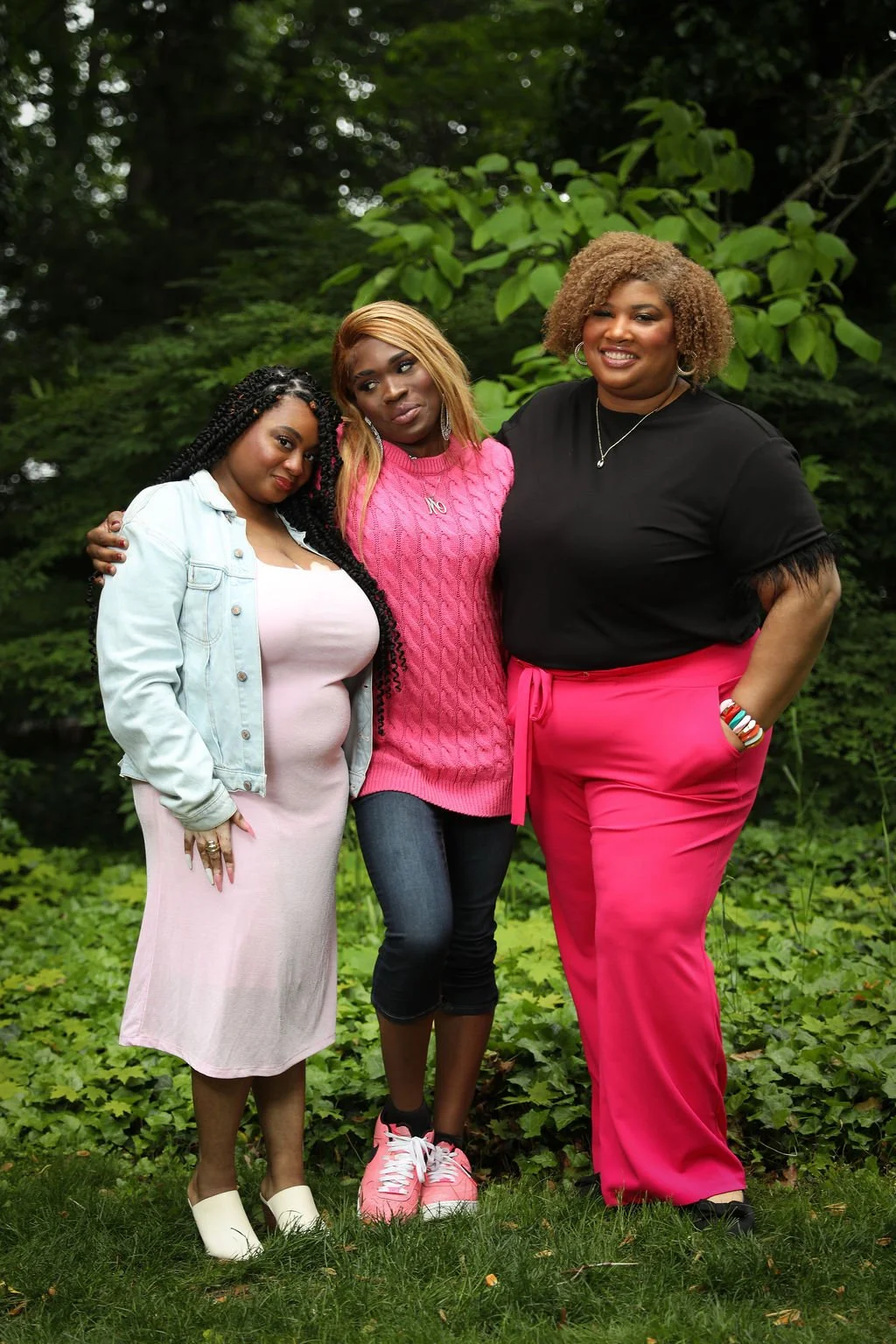
The three women we spoke with at More Than Words were introduced to us through founder Jodi Rosenbaum. The conversation we had with Shiricka “Shi” Brown, Monet Wright, and Naika Vincent was filled with laughter and joy and talk of successes in their missionMore Than Words. The hope they exude is contagious. And it’s a hope one doesn’t often feel after talking about young people who know homelessness, foster care, barriers to education, and the court system. Monet and Naika are alumni and after some time, felt safe to share some of their stories. Shi is the big sister that we all want; you ask her for help and she shows up, not just with words, but with fierce energy and action.
Shi, have you been with More Than Words from the beginning of the mission, or did they bring you on?
Shi: I’m originally from New Jersey. I worked in health care for 13 years doing a mixture of case management. I felt a little stifled being in the healthcare industry, feeling I couldn’t support clientele in ways that I felt were useful and helpful because of all the rules and policies. I was looking for a change, for an organization where I could use my skill set and support people without so many restrictions. I searched for employment for an extensive time because I wasn’t willing to go to just any job. If I was going to make a transition, it had to feel right, to the right place. I saw a posting about More Than Words and instantly fell in love. I’ve been here for almost four years.
I wish more people could make the decision to do something that they love and not settle. Is there a personal experience that made you connect with More Than Words?
Yes, our mission. Young adults who’ve had a lot of systems that railroaded them, worked against them. I like being able to support them and help them move their lives forward. I’ve witnessed firsthand how systems can derail individuals, creating one obstacle after another for those involved. I think about the challenges and barriers they have to overcome and I know that you can’t do that without a community, without support, without people who believe in you. That really resonated with me. It’s always been a cornerstone of my life. My mom taught me that volunteerism and giving back to the community is very important. In the words of Shirley Chisolm, “service is the rent we pay for the privilege of living on this earth.”
Monet, how did you come to More Than Words. You’re an alumna, correct?
Monet: I came with mental health issues in my background, so there were a lot of resources that were provided in my life throughout that time. I went to a special needs school that didn’t have a lot of resources for the BIPOC, but especially for people with disabilities. My family wanted me to go to college, but around my senior year having all those mental health issues, I didn’t know where I was going. I didn’t know how long I would stay in college. I didn’t know if college was for me. I didn’t know what I wanted to do. So, I got connected with More Than Words. I was a troubled kid, always getting into something. I think it was more because I didn’t have the right guidance. I had an overprotective mother trying to create an image that she wanted versus the image I wanted. I just feel that was something that I needed to hone in and get more guidance on. My time at More Than Words was, I want to say, rocky. I was going through a transitional period at the time between being a teenager and on the verge of being an adult. I did end up doing the whole Roxbury Community College thing. But Covid came and then everything just started to crumble from there. I completed the program, but if I’m going to be honest, I don’t feel I grasped as much as I could have. I needed that extra support. So, after I finished the program—I didn’t have time to experience my grad experience because of Covid—I’m back for a second time.
I’m gonna just say it. Last year I went through something really traumatic: homelessness. I had a tremendous loss in my family, my brother had passed away from sickle cell and it was almost the breaking point for me. I was very lost. I was very uncertain of what I wanted to do. And what I wanted to do was be in entertainment, be an actress. So I lost a bit of myself. Especially going through, you know, my sexuality. And realizing that I was a trans woman, just all that piling on top of me. I’m in my 20s but I felt like I was a teen again, going through the same things. So, connecting with career services at More Than Words, I want to say that stopped me from jumping off that edge. I was there and I just felt that coming back and being involved with this community, this family, it saved me from a lot of heartbreak. And I want to say two months in as alumni, I absorbed everything that I didn’t get to absorb the first time around.
What is it like being an Alumni Coordinator?
Monet: I do a lot of intakes and there’s this thing called readiness, which I didn’t have when I was a part of the program. If I had readiness back then, it would have saved me from a whole lot of trouble! I’m a part of this group called ACE: Advocacy, Community, Engagement. I set up one-on-ones with young adults, then I go through a referral checklist with the caring adults in their lives just to see how to best support them. I can get a feel for who they are and see if they’re eligible for the program. I see a lot of my young self in my job, especially because we hire ages 16 to 24 and I’m 24, so I’m still in it. I can acknowledge that I’m still in that growing stage. So having to come back as an adult staff and balancing who I am outside of work versus who I am inside of work. I work with a lot of people I see around my community. It’s been a real hard shift, but I feel that it’s a good skill to hone, especially going into a bigger workforce and helping me learn how to balance work and personal life.
Another game changer was my case manager coming back five years later and saying, “Dang, Monet, I remember you when you was a pain in my butt!” For them to see me now and say, “Oh, Monet knows how to problem solve, she knows how to handle things!”
To get that validation, that’s exciting!
Naika, what brought you to More Than Words?
Naika: Honestly, it’s a little bit fuzzy. It was 2020, the pandemic was going on, and I had just graduated high school. The plan was to go to a four year college, but that just didn’t feel right. I was also dealing with a lot of mental health challenges as well. So, I decided to go to community college instead, but that didn’t feel right either, I felt I was done with school. Every day I wake up, go to class for eight hours, go home, and I don’t do anything at home, and then I just start the day all over again. That really freaked me out but I needed to do something. I can’t just stay home. I went to Bunker Hill for a year and a half and at the time wanted to be a writer. I still kind of do want to be a writer. But just in that phase of the pandemic, me kind of wanting to go to school, but not really, and then a lot more mental health problems came to the surface; I was just so out of balance. My mental health has been getting in the way of me progressing in life. Someone told me about More Than Words. I’m a big reader. I love books, and one of my biggest dreams at that moment was to work at a bookstore. So I started working at More Than Words. My time there was, as a youth, what I needed.
I definitely needed a job to pay bills and to get out of my mind. I was very stuck in a loop in my mind about how horrible everything is and being very negative. Working gave me something to do and took my mind off of those thoughts. So, in that way I’m very grateful. But then I did have to take a break. A lot of things were happening in my life and I just could not go to work. I just couldn’t function.
I did end up graduating. Looking at where I am now, I outgrew More Than Words the day I graduated. And I say that because working at More Than Words allowed me to realize that I can do literally whatever I want. My life doesn’t have to stay the way it is right now. I’ve always wanted to work at a bookstore. I work at a bookstore. I wanted to make more friends, I made friends. I started writing more. Towards the end of my stay at More Than Words, I realized I kind of always had this entrepreneurial spirit in me. So, towards the end of my time with More Than Words, I went to Elizabeth Grady— More Than Words helped me pay monthly bills to be at that school—and now I am a licensed esthetician. That was really awesome. After I graduated, I got my license and had to take a board exam. I started thinking What am I doing? Maybe I don’t know anything. But I passed it. I have gotten experience in the esthetician field. Then, I realized that I wanted to start my own skincare business. So, I launched my skincare line in May.
Wow! Congratulations!
It was a nerve-wracking thing to do. I was taking a lot of risks. But really investing in myself and putting that money down. I had a business advisor whom I met through a free program, and through that program, I met with her. I’ve heard people say “invest in yourself,” but I didn’t know what that meant. But I put myself out there, and I am doing the thing that I’ve been dreaming about. It feels surreal. So, I’m really proud of myself. I say I outgrew More Than Words because I see so much more for myself now.
That seems to be the mission of More Than Words: to outgrow them, because that means they did their job. Tell me about the moment you thought, “Yep, I’m right where I’m supposed to be.” Have you had that moment?
Shi: Something that has always resonated with me at More Than Words is that we have this high bar of expectations because we know that young adults can reach it. We don’t lower that bar. I think this has been a safe space where you can make those mistakes, you can make those errors. You can have times where you need to pivot and you can always re-engage. You can always come back to More Than Words. You are given the space and opportunity to find your footing and reset if needed. There is a sense of security here that I feel definitely is not just lip service. More Than Words; what it says it does! Our model is built that way so that young adults still have that support. Sometimes we’re the only support they may have at that moment. We want to make sure that we’re not just another system that is lowering the bar for them. Right? As the Associate Director of Youth Development, there are times I have to hold young adults accountable, but it’s collaborative. We’re not doing anything for them without them being present, having choice and autonomy in what that support looks like and how we can support them with making progress.
To see them get to graduation, you know, that’s always a bright spot. Naika was one of the first youth in my first caseload cohort when I started working at More Than Words. She has already spoken about times when she had to take a pause or come back and face those difficult moments—and she persisted and persevered. I think that is a true testament of the kind of space we created, the community that we created: “You can have your worst day, and know that you can come back to a safe space and try again tomorrow.”
Monet, do you remember the moment you realized that someone asked, “How can I help?” and they meant it.
Monet: Yeah, actually. And it’s something that stays on my mind on replay. I mentioned before, the goal for me is to blossom in the entertainment business, but also stay true to myself and be an advocate for mental health and being a change within my community. I need to get on stage, speak my piece, because I have a lot to say. I have a story to tell, and I feel my story will help a lot of people. Wake a lot of people up. Let everybody know that they’re not alone. My supervisor and the founder of More Than Words, Jodi, had approached me with an opportunity to be on the news and share a snippet of my story and how I was involved with the program.
I was a wild, wild person. I lower the bar for myself because I feel I don’t have the talent or I’m not capable, even though I know I am. All the verbal abuse that was poured into my brain when I was younger, some of that stuck. So, being able to finally say my piece and say, “I’m a person that has mental health issues, I’m not ashamed of it.” That is something I just thank them for. They spark something in me to be more confident. Now I’m on stage, not having no shame, you know what I’m saying? That really helped me get my story out. So I’ll always be grateful for that.
I get it. More Than Words was there to help you transition in your gender and into adulthood. I appreciate you telling me.
Naika, you mentioned you’re struggling with some mental health issues and that you self-isolate.
Naika: I definitely do self-isolate. I realized recently that I do a lot of self-sabotaging and I’ve dealt with depression all my life. While I was with More Than Words as a youth, I definitely hit a breaking point. When More Than Words said, “After you graduate, we’ll still be in contact with you” I was like, “Okay, whatever. They all say that.” Honestly, More Than Words is probably the first that has shown up for me. They literally helped me get other jobs that aren’t associated with them. They helped me pay for school. Every single time I needed something they showed up. Actually engaging, actually caring. People make a lot of empty promises. I’ve definitely had people tell me that they’re going to do this for me. They want to help, they want to do this and that. But, they’ve never proven. They’ve never actually done those things for me.
What’s your proudest moment as an advocate?
Shi: When it comes to my advocacy, my proudest moments are seeing a young person advocating for themselves. When I was a Youth Development Manager, I worked with a young adult who really struggled with their self worth and feeling they weren’t being heard or seen. We had a lot of conversations, a lot of meetings about what it is that they wanted. Sometimes, it was just being in the room to give them that extra support and encouragement. But really, seeing a young person go from that to months later, calling their own meeting with their DCF team, leading the meeting, speaking to what they want, speaking to what’s going on with them—I think those are some of my proudest moments. Even outside of work, seeing when others are really stepping into their own power, stepping into their own empowerment, and knowing that I got to work alongside them. It’s less so of my actions and what I’m doing and more about seeing them transition to who they have become. And that might be part of me having big sister syndrome. I’m also the eldest child.
You’re helping them not need you anymore.
Shi:Yeah, I love that. Even my siblings, they’re all doing great things—Doctor, COO, etc. I love seeing people younger than me surpass even my vision, my goals and live out their dreams. That’s the whole point, right? The generation behind us, they’re the ones who are going to lead and take charge. Their successes are our successes. That gives me so much joy.
Shi, we need more people like you. Thank you.
Monet, as an advocate what are you doing differently than when you were receiving support?
Monet: Here I always get a little emotional. I was very naive and gullible. I didn’t know my own worth. Seeing other people take that stand and being able to voice their opinion, I didn’t have a lot of that. I needed people to be in the room, you know, speaking for me because I couldn’t speak for myself. I didn’t realize I had a voice and when I spoke, I couldn’t get it across. I saw people younger than me or the same age as me saying what they want, not letting anybody tell them what they need or what they don’t need. It took me until probably a year ago to stand on my own. That is something that I am proud of. Now, I am in rooms with people that advocate for themselves because it gives them power and it gives me strength.
In the work that I want to do, being in the entertainment business, I’m going to need to know how to advocate for myself. I’m going to have to speak out.
Naika, what is it that you’re most proud of at More Than Words? You’re an example for others of what happens when you learn self-agency. Look at you; You’re an entrepreneur. You own a skincare line. Do you ever say that to yourself out loud?
Naika: It’s definitely still surreal. I’ve never been called that before. An advocate.
How does it feel when I say that?
Naika: So, I would say you’re a liar. You’re lying to me. You’re lying to my face. To be very honest.
Is there anything factually incorrect that I just said?
Naika: No.
Okay.
Naika: That’s crazy because right now, I launched my business and I did all this stuff to prepare. What am I supposed to do now? I don’t know what I’m supposed to do with myself. I don’t know what I’m supposed to do with my business. It’s just funny that you said that.
And I don’t know why it’s still sitting with me. The question you asked about becoming an advocate. Honestly, when I hear that word, I think of having to speak for others and having to stand in the folds when they can’t speak for themselves. And then seeing them being able to speak for themselves and not need you. It just really lands with me. That’s the best part of being an advocate. It’s just sticking with me now. It’s ruminating in my head. It just never occurred to me that that’s what I am.
What you’re all doing at More Than Words, you’re touching lives that you’ll never know about. We appreciate you so much
Inspired by She + Monet + Naika? Here are ways you can get involved with their mission:
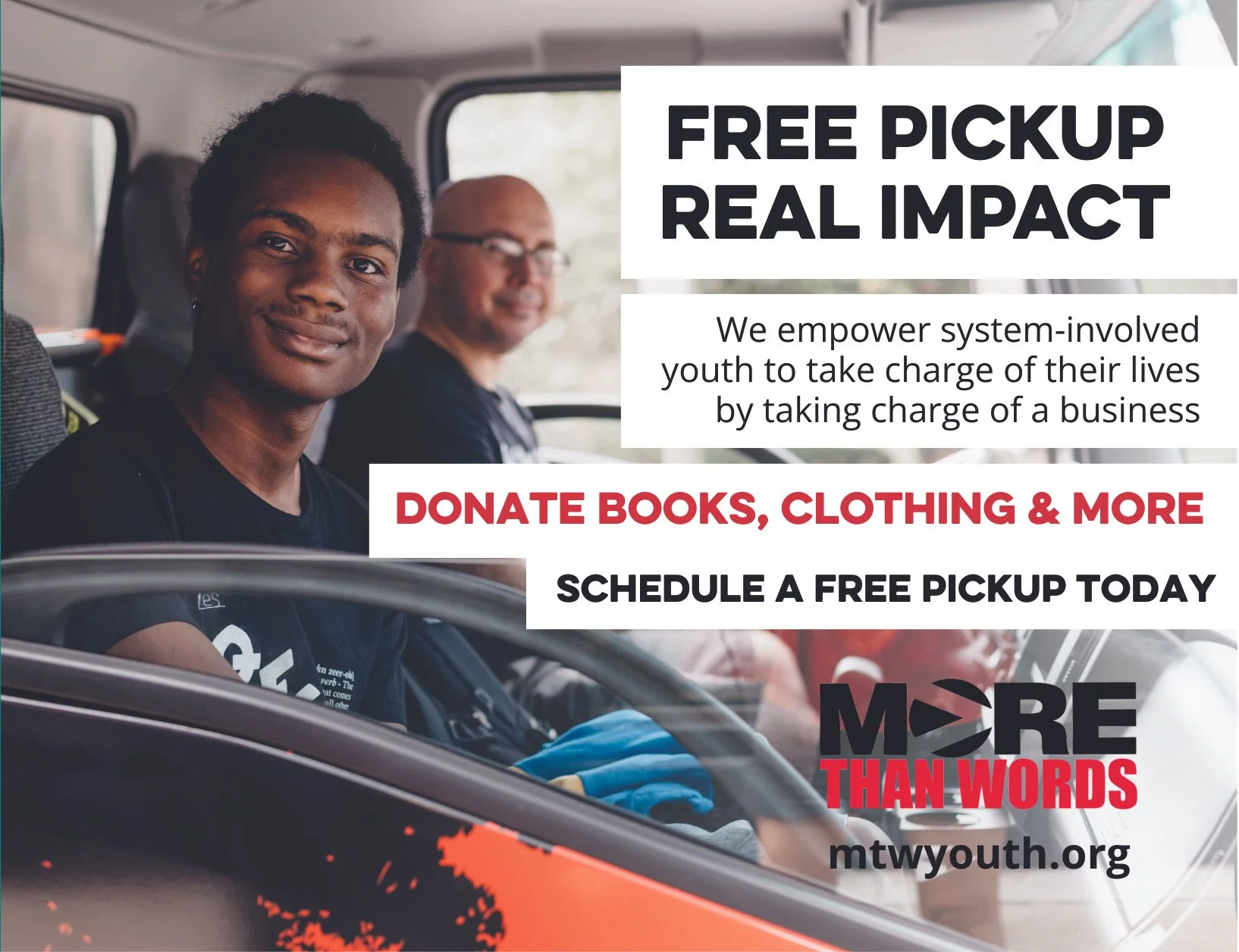
At More Than Words, youth ages 16-24 who are in foster-care, experiencing homeless, out-of-school, or in the court system, learn to run an online and retail bookstore while also getting full wrap-around supports to tackle the barriers from our state systems and take charge of their lives. Every year, they operate a fleet of five trucks to source 4 million books and 725,000 items of pre-loved clothing; Manage an inventory of 160,000 books; Run two retail bookstores, a new thrift clothing store, and a mobile bookstore; Generate 30% of the funding needed to sustain our programs. You can match their energy and impact. Here’s how:
#1 Shop with Purpose
Buy gifts that give back. Every purchase from our youth-run bookstores and thrift shops directly supports their education, job training, and leadership development.
Visit us in-store or online to find books, clothing and accessories, and unique gifts like jewelry
Host a pop-up shop at your workplace or community event
Rent our bookstore for your next training, party or fundraiser
2. Donate Goods or Funds
Fuel their mission. Your donations help stock our shelves and sustain our programs.
Books & Clothing: Gently used items become inventory for our youth-run businesses
Financial Gifts: Match the revenue our youth earn to double their impact
Monthly Giving: Become a sustaining donor and invest in long-term change
3. Volunteer Your Time & Talent
Work side-by-side with youth. Mentorship and community support are key to their success.
Join us in-store or at events as a volunteer alongside our youth or lend your professional skills (marketing, tech, logistics, etc)
Become a brand ambassador and share our store links on social media to amplify our reach with a social media campaign!
Organize a corporate volunteer day with your team