Keisha Greaves is a Chronically Ill Badass
Photos: Stephanie C. Olsen
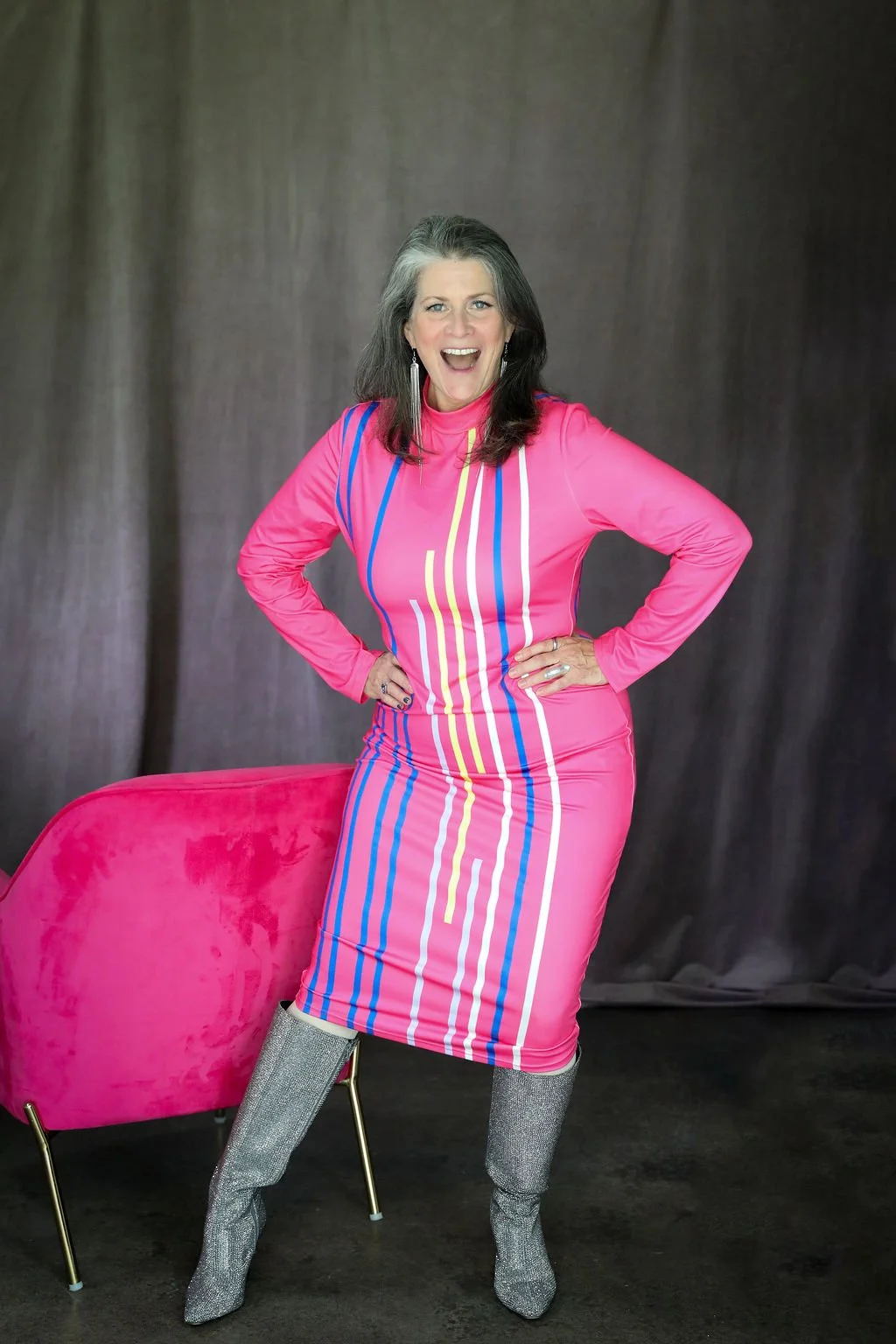
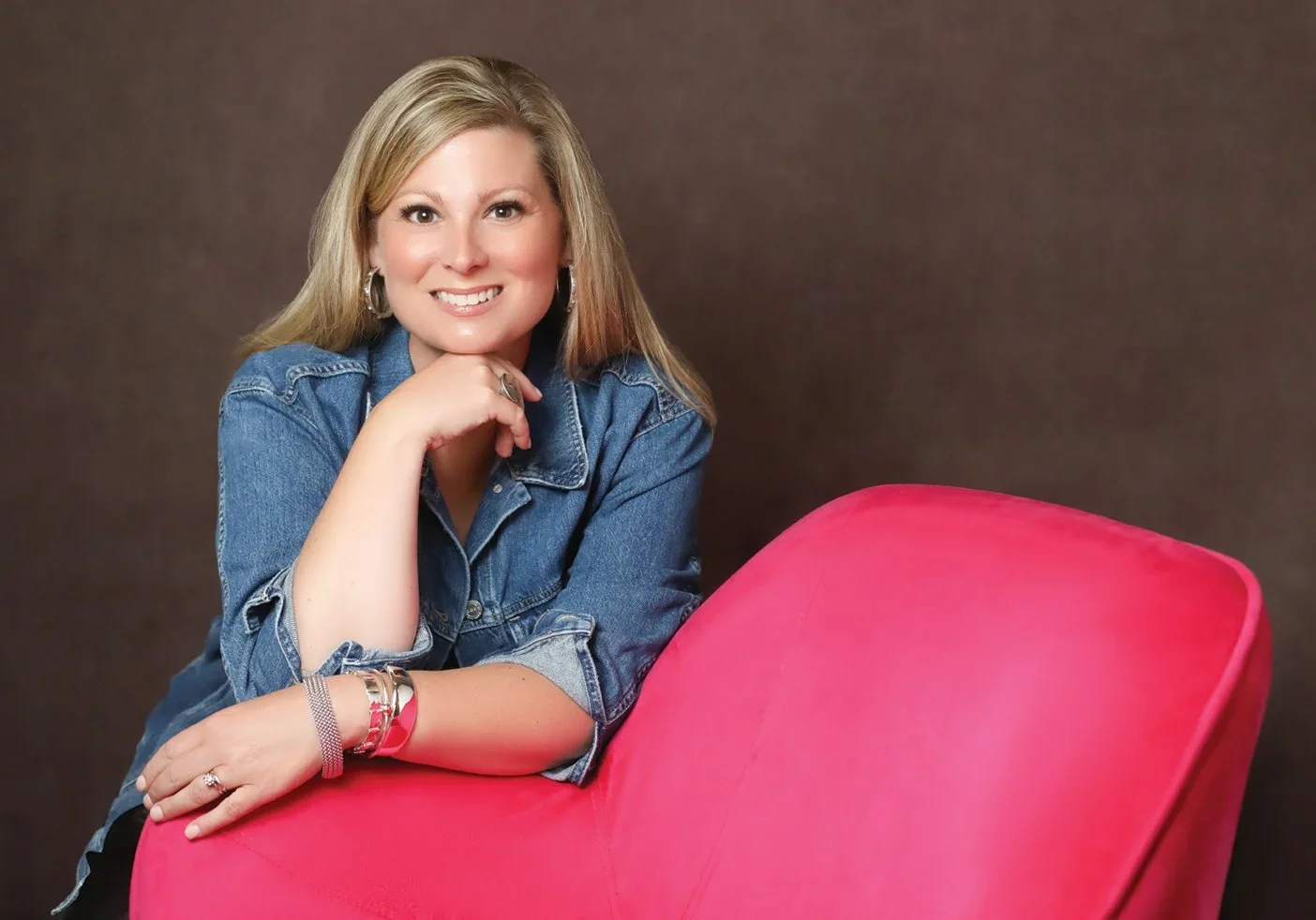
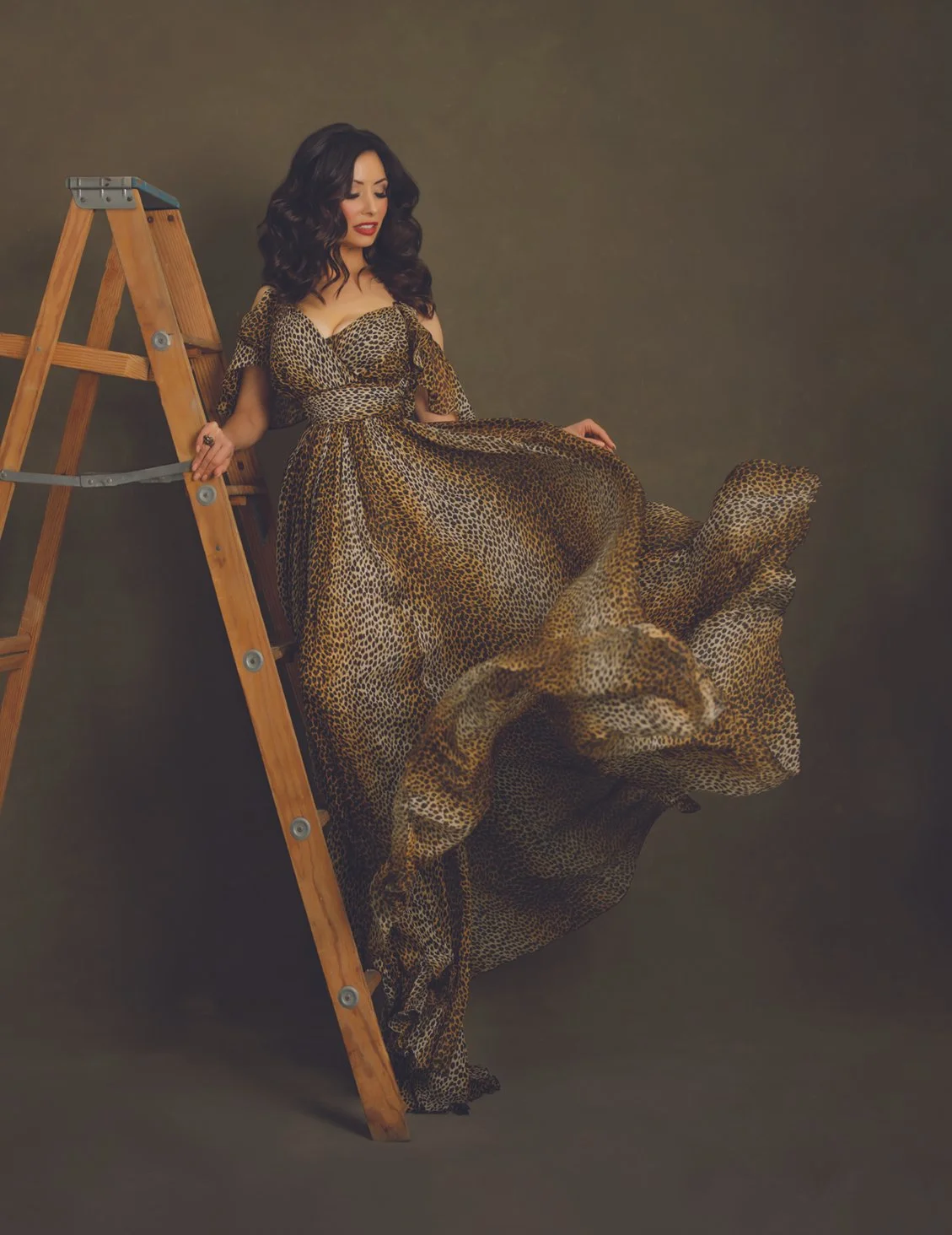
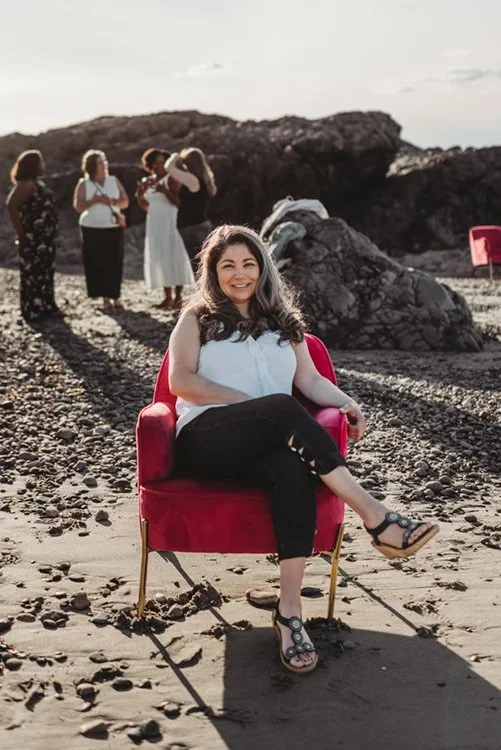
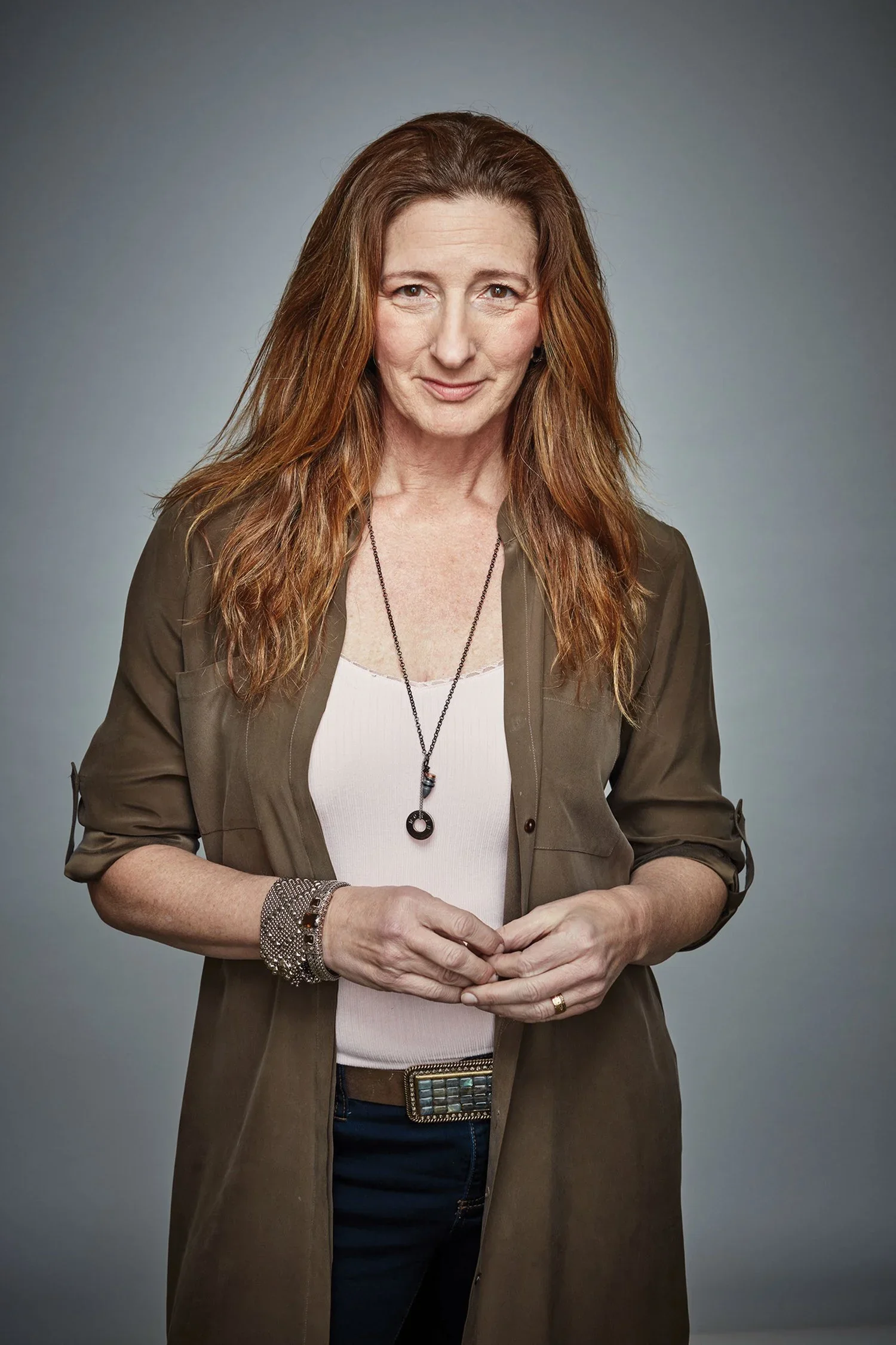
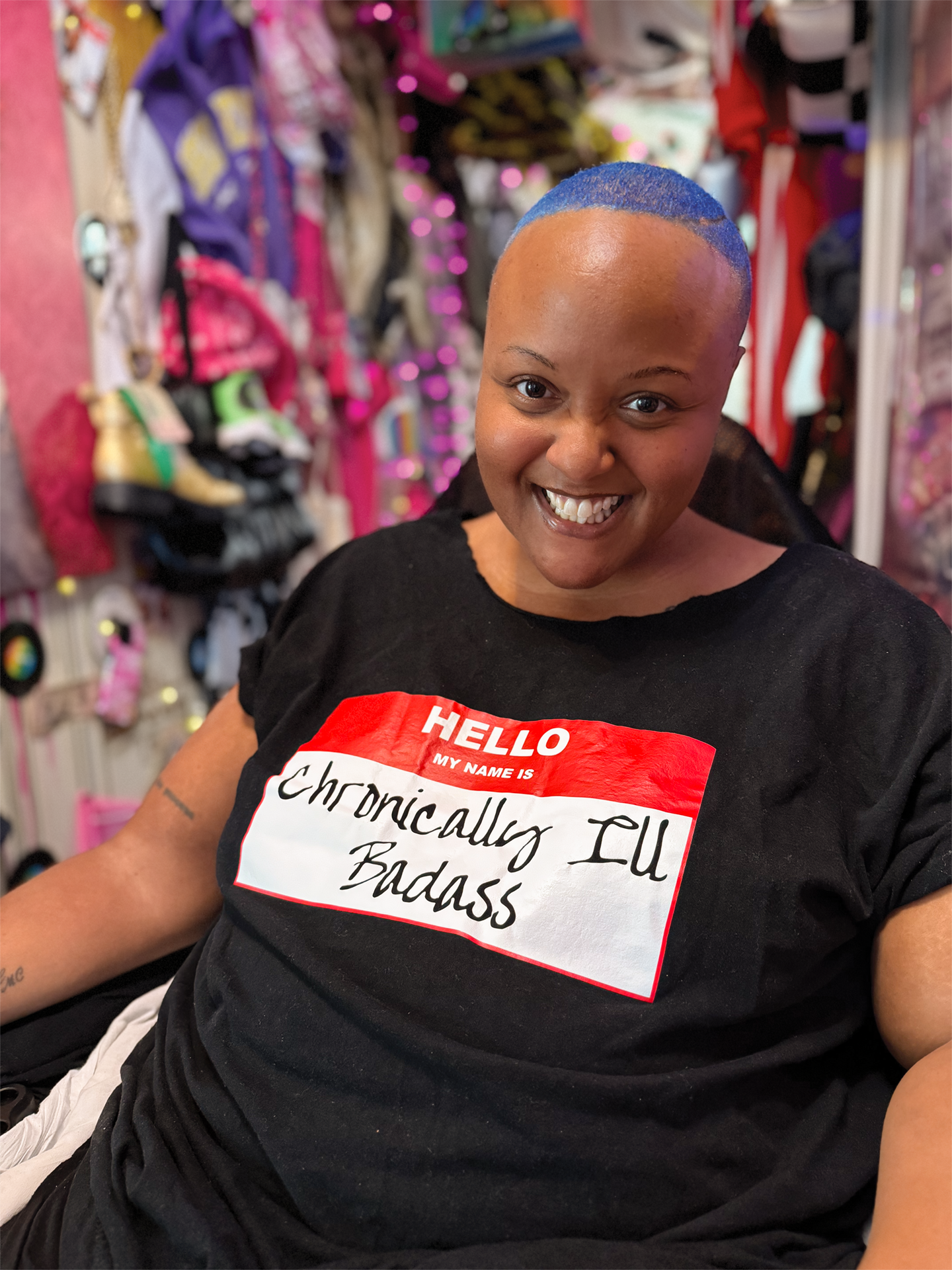
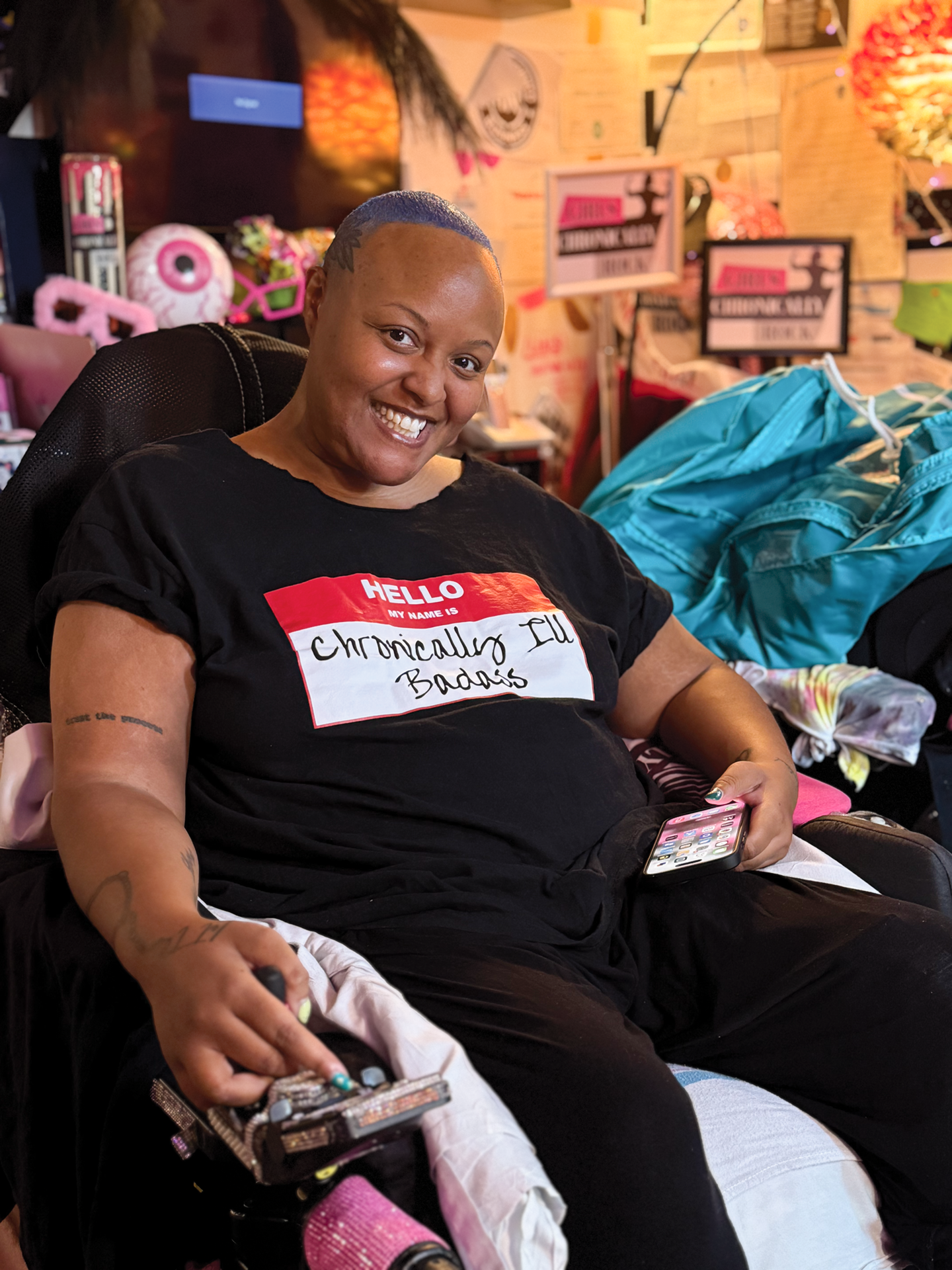
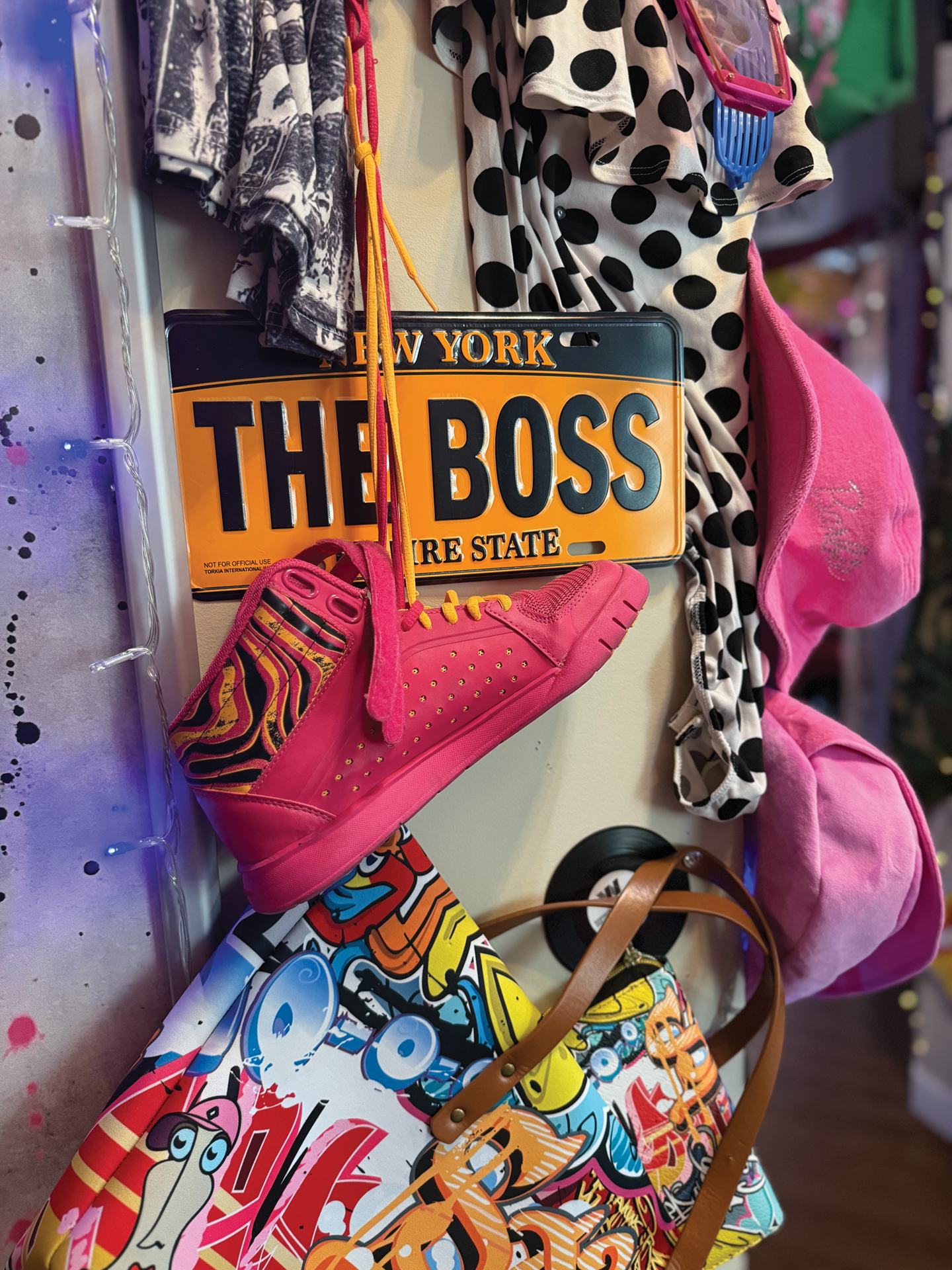
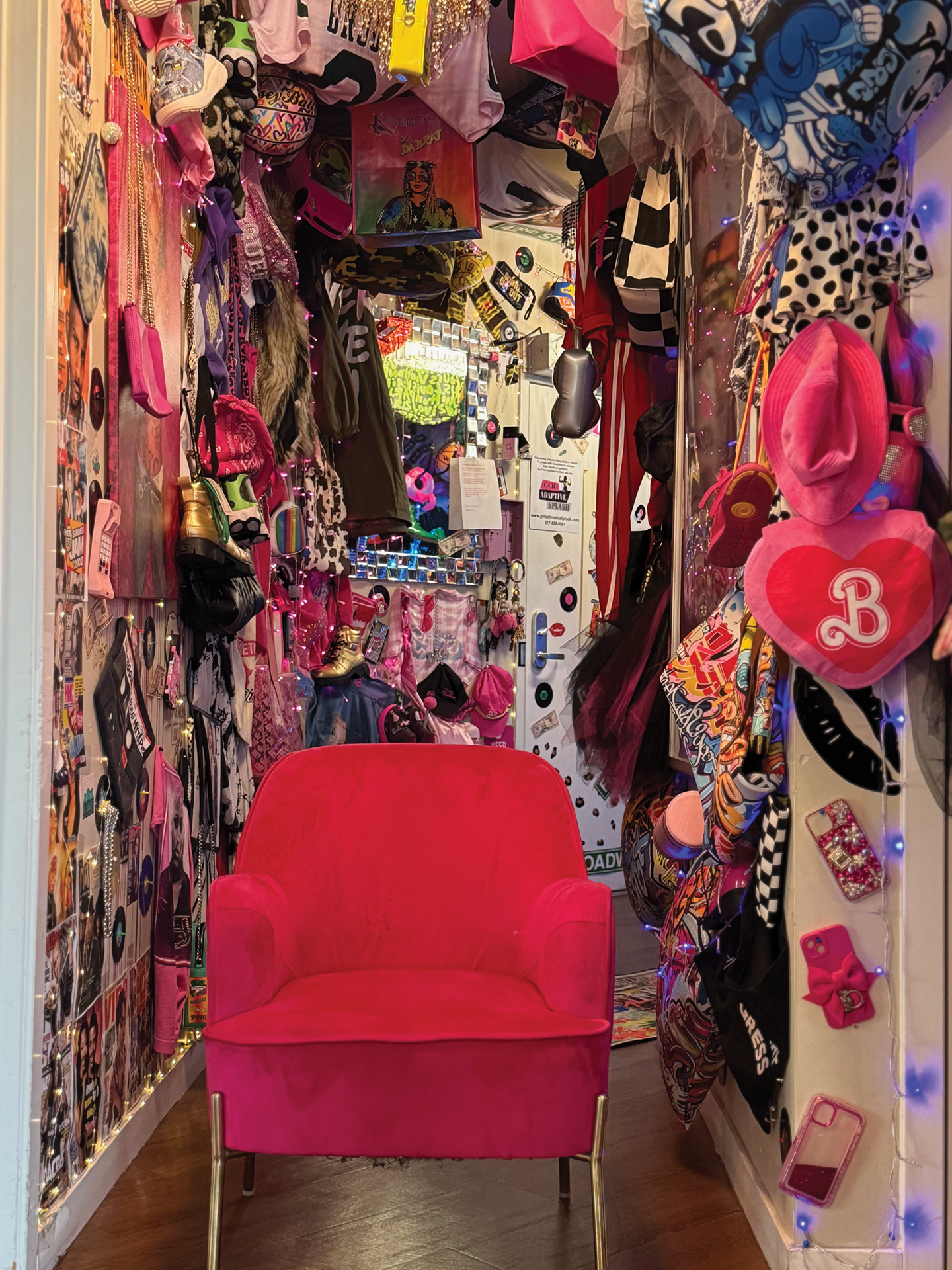
Keisha Greaves is chronically fashionable, impatient, entrepreneurial, creative, and ill with limb-girdle muscular dystrophy. The ruthless neuromuscular disease hit her at 24 years old and has taken her mobility bit by bit. But not her moxie. The fashion world continues to be the inspiration she needs to conquer her life and advocate for her community. A trip to her home in a Cambridge loft hits the senses like a Jackson Pollock in pink and bling, and where cortisol disappears. She is a woman and a business owner with MD who lives “like everyone else.” But we found her to be an incredibly creative woman who knows how to live like no one else.
Our conversation starts here:
How did Girls Chronically Rock get started?
I identify as someone who has a physical disability. I am wheelchair-bound. I live with a disability called limb-girdle muscular dystrophy. And I’ve always had a passion for fashion, so growing up I always knew I wanted to be a fashion designer and entrepreneur. I studied fashion design and merchandising at Framingham State University.
I grew up watching my mom sew. She always sewed my clothes, so I think I probably took after her. Growing up, I looked up to designers such as Betsey Johnson, Tommy Hilfiger, and Kimora Lee Simmons, particularly during her Baby Phat stage, and I would love to work with them to this day, especially Betsey.
I graduated from Framingham State in 2007, and then took about a year off before starting graduate school. I wanted to get a master’s degree in business. It was at Cambridge College while working on my master’s when I started to get really bizarre symptoms in my body; My leg would just give out on me, I couldn’t get myself back up, my leg was like a dead weight, or I would extend my arm out to the cabinet, and it wouldn’t extend. But the whole time I’m thinking maybe I just need to lose weight. I need to exercise. I’ve never been the exercise type. As it kept on happening, my mom and sister said, “This is something. Maybe it’s something in the feet because you keep falling, and we can’t even get you back up. Something’s weird.”
So we're going to Tufts Medical in Boston to meet with two orthopedic doctors. They asked me to raise my right leg, but it would not extend as it should. And that was the first time I noticed that. And then, yeah, they just kind of both looked at each other, puzzled, and said, “This is neuromuscular.” Meanwhile, I’m still thinking I need to lose weight, and it’s not even that serious. Just going on about my life.
The neurologist at Mount Auburn Hospital in Cambridge did several tests, like MRI, EKG, EMG, and, most interesting of all, the muscle biopsy, where they took a piece of muscle from my right leg.
I will always remember that day I got the phone call when she said, “Keisha, you have muscular dystrophy.” And I’m like, what is she talking about? I’d never heard of it. Nobody in my family seemed to have it. I thought she called the wrong patient. “I don’t have muscular dystrophy.” At this point, I was still doing me. I’m driving, in my early 20s, working. I was traveling to different stores, Nordstrom’s, Macy’s, doing merchandising things that I love. So I’m like, what is she talking about? But I knew that deep down there was some kind of truth to it, because as soon as I hung up, I was totally shut down.
But then, like most of us, I run to Google. And as we know, sometimes the internet isn’t always the best. But I always believe in it, too. I’m reading “no cure,” “no treatment.” As it progresses, some people don’t get past their 40s and 50s. I thought, "This can’t be me. I totally just shut down.
I continued to work and just kind of put it aside. The only treatment is physical therapy. So that’s what I started doing. Then my physical therapist at the time suggested I use a cane. So I started to do that, and even when I went to work, I would say, “I sprained my ankle” or “I was in a car accident” because it sounded better than saying, “I have muscular dystrophy.”
Every time I went to follow up, I was thinking she was going to say, “Keisha, you know, we got your test results mixed up. You don’t have muscular dystrophy, I do apologize.” That’s what I was thinking was going to happen every time I went for a follow-up. As time went on, I’m like, what does my future hold? What’s going to happen? I always wanted to be a fashion designer. Own my own business. So, after coming out of my shell a little bit, my friends suggested I start a blog to share my story and my symptoms. And I’m just like, “No way. I don’t have muscular dystrophy!” Still in that denial phase. But I remember that day when I started opening my laptop, typing things out loud, and expressing everything, just like I am with you now. It took that moment to say, “I have muscular dystrophy.”
That’s crazy. Never mind what the doctors were saying, it took typing it to say it out loud. I was blogging on Tumblr at the time, and I posted it on Facebook. I don’t even think I proofread it or anything. I was just like, Boom! Here it is. I remember getting such great feedback, and people were like, “I heard of this!” And “My cousin has this” or “My cousin has MS” and similar stories. Some people were shocked, “Oh my God, I just saw you, and I just spoke to you. And I had no idea!” At that time, looking at me, you couldn’t really tell.
The acceptance definitely took some time. I started blogging, coming out of my shell, and social media, I must say, was a huge help. I connected with other people like myself who had a disability, muscular dystrophy, and are Black women. Just hashtagging #disabilityawareness #musculardystrophy. I’ve connected with a whole world of people, and I’m just like, I’m not the only one out here. That helped me because at the end of the day, yes, I may get the support of family and friends, but there’s nothing like talking to somebody who knows and gets what it’s like living with a disability every day, that struggle.
Then I was like, “It’s time to put my fashion degree to use!” Why not? Why not create something to help inspire and motivate others in the disability community? I love wearing graphic t-shirts. I love cutting up my t-shirts, painting them. I knew I wanted to call my business something with the word “chronic” in it, for chronic illnesses, but I didn’t know how I wanted to put it all together. I was lying in bed one night. That’s when most of my ideas come to mind—as it does for most creative types—and it kind of just came to me. Girls Chronically Rock. It flowed with me. It sounded empowering, motivated. And I ran with it from there. I started off with Etsy, and sales were good, but after some time, I realized this wasn’t just a side hustle for me. This is like my life. I live and breathe working for myself, I only have to ask and answer to Keisha.
I reached out to my friend who’s good with building websites and he brought my website to life. I was so excited. I launched in 2017. That same year, I registered as an LLC. As time went on, adaptive fashion became huge. A lot of people don’t realize that getting dressed every day is a struggle. It can be exhausting. I wanted to make some of my t-shirts adaptive. So I have regular T-shirts and adaptive T-shirts. I also created adaptive swimwear with shoulder hooks to make it easier for someone to put it on and take it off. I know for myself, prior to the pandemic, I was going to aquatic therapy, and when I’m in the water, I feel like a mermaid because I can do things in the water that I can’t do on land. I still live and breathe fashion, of course, but I feel like Girls Chronically Rock is so much more now than clothing. It is a movement. I’m bringing awareness about adaptive fashion. And I’m also a huge disability advocate now. If you had asked me a few years back if I saw myself doing speaking engagements and being on podcasts, I’d be like, “No way I’m telling people I have a sprained ankle or a car accident.” I couldn’t even fathom that at that time. But now, I go to the state to advocate for rights, housing, Medicaid, and caregivers.
Maybe this is my purpose now. I just love it when I put companies or hospitals on blast, and I get messages from others in the community saying they experienced that same thing and, “Thank you for speaking up!” I was too scared to do that once. I’m not going to be scared anymore. Businesses and people need to be held accountable. I do speaking engagements at pharmaceutical companies and universities, and you know, and I love it because I get to share my story.
I do consulting, adaptive fashion consulting. There’s so much under the Girls Chronically Rock umbrella. I’m proud of what it has become. I’m glad people know about it. I love my supporters. I love connecting with other people in the disability community on social media because, you know, we’re all one. We’re stronger together.
When I start making money like the Kardashians, then that’s when I know, “All right, Keisha, you made it!” But until then, I’m just taking it each day at a time. And if it stays as a small business, I’m okay with that. At the end of the day, it’s just me running this business while having a disability. So some days, I don’t know what the body wants to do, you know? I can’t tell the muscular dystrophy to come back later. This has control over me, not the other way around.
What is the biggest challenge for you when you’re talking to a person or a brand who doesn’t understand inclusive and adaptive?
I feel that because we all have different disabilities, we all have different strengths and weaknesses. Whether it’s a fashion company or pharmaceutical company I’m speaking with, I’ll give them examples; I wouldn’t be able to open this door, but someone else with MD might be have the strength. Another may be able to push that button, but I cannot because of the limitations of my limbs. Same thing with fashion; It might be easy for some with MD, or MS, or lupus to put a shirt on, but I struggle and I need assistance to get dressed and shower every day. So I like to bring in other people with my disability to show them. My friend, Nyree, was born with this. I still learn from her to this day how to navigate and about accessible driving. Whereas my other friend has a different type of muscular dystrophy, and she brushes her hair herself. I would need assistance, like help with my elbow, if I want to apply mascara. They can see how to be inclusive to all and at different levels. Things that I feel I totally took for granted when I was an able-bodied person. I fully acknowledge that. Sometimes I grieve the person I once was. An able-bodied, running up and down the stairs, coming home on weekends with laundry and groceries. I used to play softball when I was younger. You never know what’s going on in your body, and you never know what someone’s dealing with. This has definitely opened my eyes. My family and friends eyes. Now when we go out to a restaurant, they know to call in advance. “Yes, we’re handicap accessible.” Then we get there, there are multiple stairs and they don’t have an elevator. I wouldn’t have thought about this before. Things I totally took for granted, right? People I hang out with and family, they now know the expectations of traveling and going out. And I appreciate that, because it’s exhausting just having a disability.
It’s 2025. it seems so logical, but I don’t know why it isn’t. Where does your patience come from?
That is one thing I’m not. I do not have patience. It all depends on the day. And my caregivers know because they’re with me all the time. They can see when I get agitated. But patience is definitely a work in progress for me. Don’t let the face fool you. And I’m one of those types; if I want something, I want it done yesterday, and I’ve always been that way, even from the time I was in school. I don’t know if that’s the Virgo in me. So imagine having no patience with a disability. Having a support group helps with my patience. I’m Chair of the board for the Commission for Persons with Disabilities of Cambridge. Just being on the board has helped me learn to vibe with others.
You fooled me really well! Did you immediately go for the community that you’re in or did it find you? You mentioned social media.
I remember one connection on social that stood out to me is Jillian Mercado. She also has muscular dystrophy. I believe she has spinal muscular atrophy. And she’s a Hispanic fashion model in a wheelchair. And when I saw that, I was like, Look at her! That definitely motivated me. You know, she’s big time. Just seeing her in her wheelchair, a woman of color, and her fashion doing her thing. And I’m like, oh, I love that. So she’s also one of those that always stand out to me. I don’t know if she knows that, but I hope one day she will. She’s dope. And to have the same, like muscular dystrophy as me was even better. She gets it.
What about outside of your community? What do you want me to know about MD?
There’s like a stigma with some people with disabilities. Like, we’re just at home, we can’t get out of the bed. I tell people, We’re just like everyone else. We love fashion. We like to date, we like to go out, have fun, have a drink with our friends, and travel with our family members. We just may need certain accommodations. Some of us out here are doing our thing. We’re big time. There are so many I look up to as inspiration, as content creators, models, and fashion models that have been in Tommy Hilfiger campaigns. So I’m like, you know, we’re out here doing our thing. I love watching my TV shows. I’m always on TikTok. I love to watch TikTok. Funny videos. I know when I’m feeling down or depressed, I go to TikTok, and that just puts me in a whole different mood. So it’s like, you know, we’re just like everyone else. And we’re here, and we’re here to stay.