Korri Piper: Beauty and the Advertising Beast
By Korri Piper
There’s little in life more maddening than forgetting the date of your wedding anniversary, state capitals, or how to help your kids with third-grade math, yet remembering the jingle of a tire store from the early 1990s.
I always imagined a career in advertising and marketing would be very much like a “Mad Men” episode; a bunch of brilliant, beautiful folks sitting around a table banging out genius campaigns over the course of a meeting. I thought subject-matter experts would advise on factual copy and confirm its appropriate representation in art direction. That childhood naiveté was reinforced by adults extolling the virtues of right and wrong, truths and lies, telling us “be smart enough to discern between them.” It’s a hefty weight to carry, but I was armed with facts.
I came of age at the tail end of GenX, before the analog-to-digital switch and a massive deluge of content became accessible to everyone. In my youth, we had 3 channels on our television. I was assured daily I was safe and informed by the tone and timber of Peter Jennings, Dan Rather, and Diane Sawyer’s voices.
Then a whole bunch of things happened; The World Wide Web was born. Libraries transitioned to electronic catalogs and research methodologies. Access to the internet and a computer enabled us to ostensibly figure out anything. Now people carry around pocket computers. For a kid who grew up in heated debates over misheard lyrics, this was my chance to be Right. All. The. Time.
That didn’t happen. What eventually transpired was distinctly capitalistic. The potential for advertising dollars offered a much shinier pile of lucrative gold than sharing boring old information. What was that glimmering beacon of playing-field-leveling-messaging going to bring to the global citizens of the world? Penis pills and hair loss treatments. We shouldn’t be surprised that “alternative facts” followed shortly thereafter.
As with most lessons in wisdom, motherhood helped me wrap my head around the effects of a lifetime of bombardment by advertising. The 24-hour news and commercial cycles are energy-depleting, nerve-frazzling, and pervasively toxic. Overprogramming is more of a sport than a choice, and we find ourselves with folks who simply can’t keep up with mining facts. Facts for the health and betterment of future generations.
“So much of that noise seeps into our daily lives. Are you buying organic food? Is the distributor fair to farmers? Are you cleaning with nontoxic detergents? Are those containers recyclable? Are the recyclers recycling? Are you on the right meds? Are your parents on the right meds? Is your dog on the right meds? Why are commercials telling us which medications to ask doctors for? Why are our foods, transportation methods, and products full of poisons? Can somebody please introduce me to the “9 out of 10 dentists recommend” cohort? I have questions.”
Recently, I watched my tween daughter walk away from me at the grocery store. I selected the items I needed and headed straight to the health and beauty aisle where I knew I would find her. She was jockeying me into purchasing another “volumizing” shampoo and “calming” conditioner (because real fun is shopping contradictions). She knew these products would deliver because it says so on the bottles.
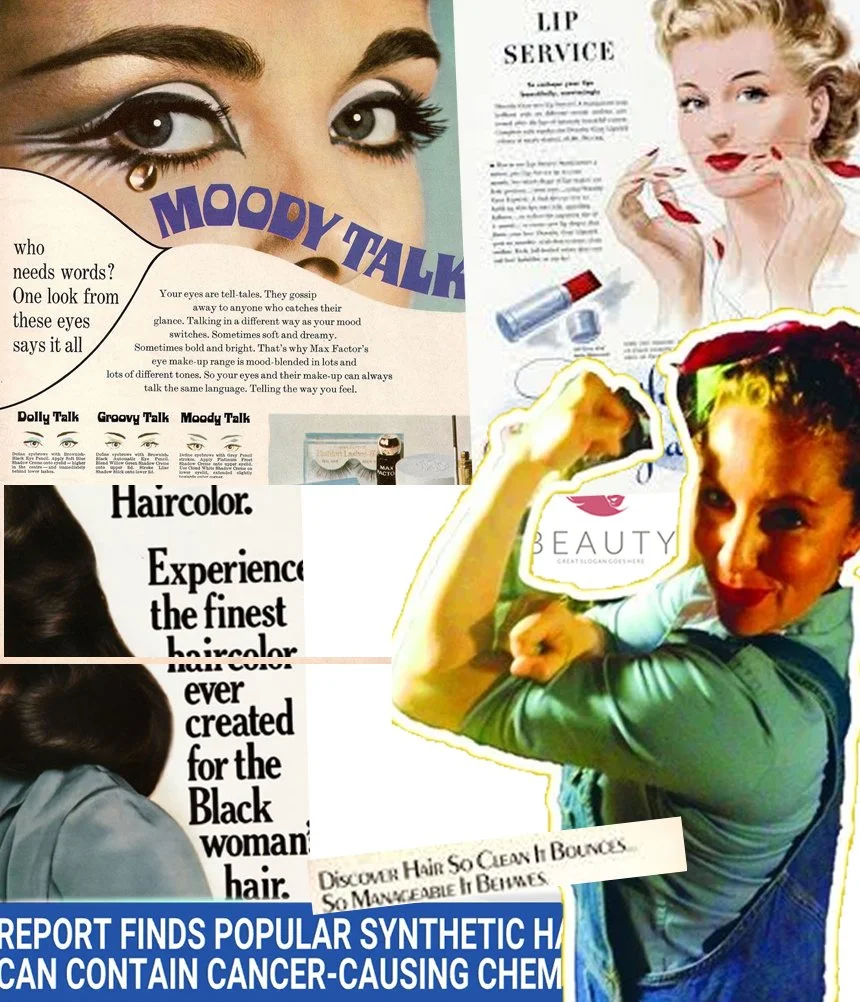
Do you remember the marketing brilliance behind the top brand shampoos of the ‘80s and ‘90s? (Those are jingles I can still sing to you). The magical elixirs. Surely if I’m clever enough to pick the correct combination, it will revolutionize my life [entrée product graveyard, stage right]. Spoiler alert: the revolution never came.
What did come was a whiplash flipbook of women throughout time using nightshade belladonna to achieve anime eyes, blanching their faces with lead-based ceruse for a perfect complexion, applying mercury to eliminate blemishes, and baby oil to soak up UV rays. Literally dying in the name of “beauty.” Now me. Next my daughter.
Women once shared knowledge with each other through song. Before we were allowed to read and write. We transferred information via quilting patterns and hairstyles. What happened? When did we stop sharing what’s healthiest for us and our families?
I told my daughter the words on the bottles were the livelihood of a copywriter and not a scientist or hair expert. I explained that genetics and diet are where you’re getting your hair type and although a bottle can mitigate some “issues,” it’ll never deliver the picture of perfection in your mind. “It’s a stupid picture: it’s also not you.” I put a moratorium on buying any more products until she educated herself about the ingredients.
She outlearned me in a nanosecond. Suddenly, she could pronounce 6-syllable chemical words and explain if they contained carcinogens or not. In fear of losing all credibility, and in a complete lack of time and resources, I sat down with her to watch a four-part documentary series on HBOMax called “Not so Pretty.” It investigates the skincare, makeup, nail care, and hair care industries.
It’s not fun. It’s not a celebration of girl-power. It’s not a big “hurrah!” moment that affirms we’ve taken advantage of all the knowledge at our fingertips and made us feel like the best version of ourselves (with products that are safe and good for the world). It is a potent reminder that even in the age of easy access to information, we can’t always believe what we’re told; the onus is on us to research everything. There are plenty of apps to help.
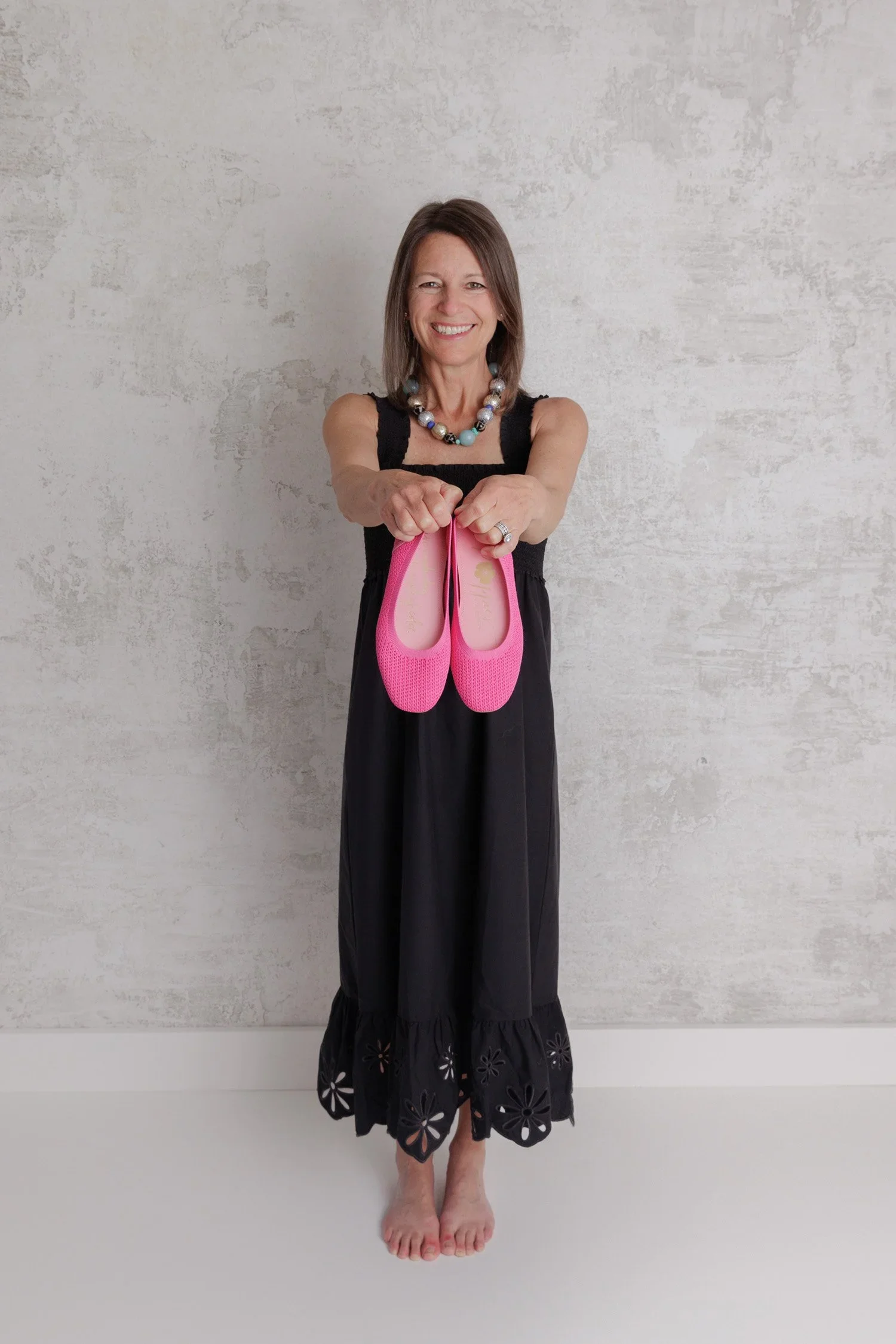
Let’s make like the young gals and wear sneakers with your dresses. Let’s redefine beauty that’s healthy for us.
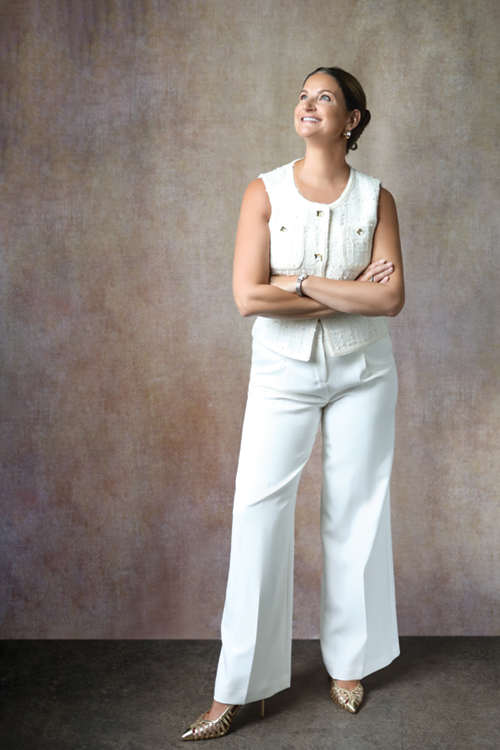
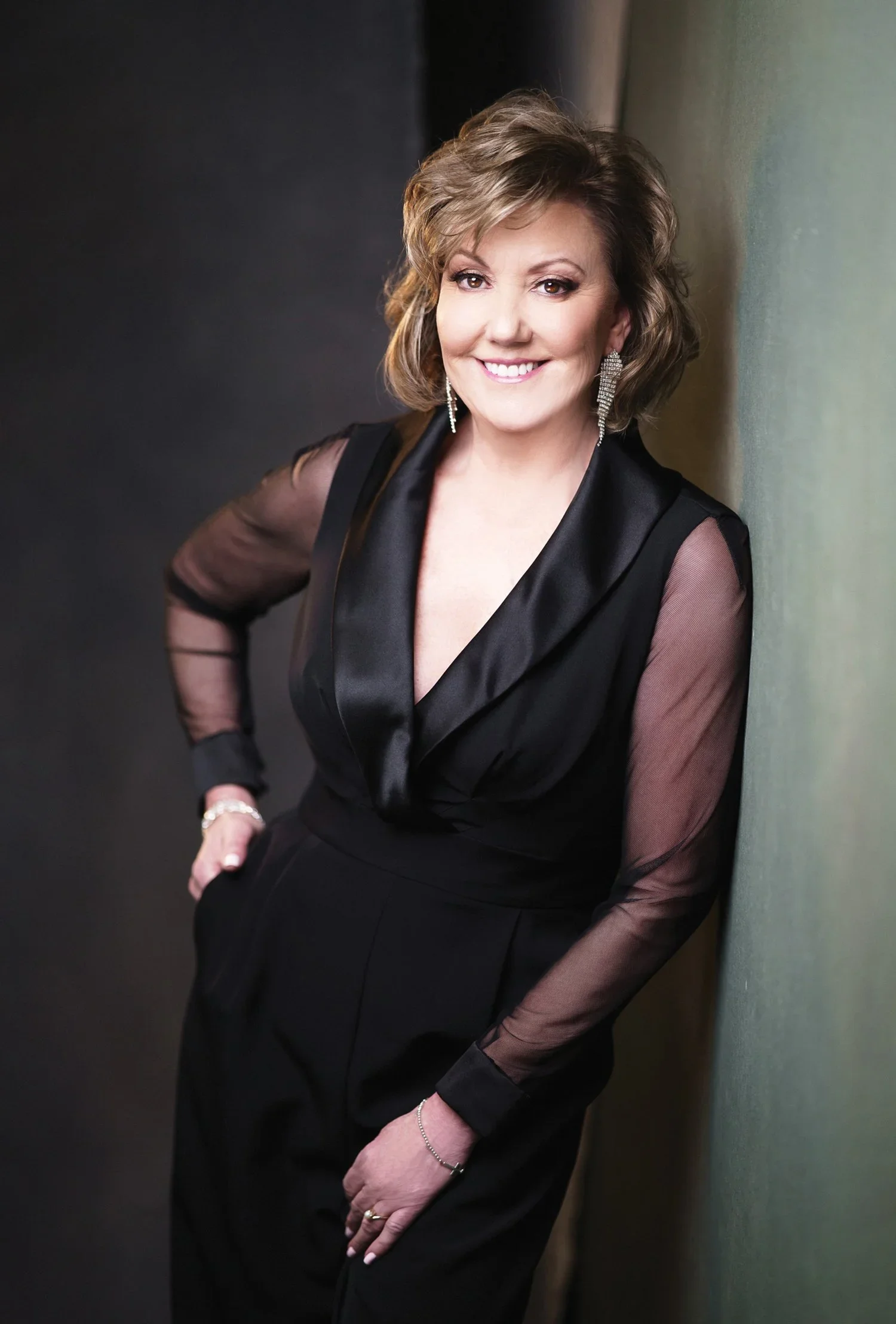
For the past 20 years, Korri Piper has built a career in writing, marketing, and business operations development. She earned her BA from Florida Southern College in English with a concentration in the Dramatic Arts and her Graduate Certificate from the University of Massachusetts, Boston in the Program for Women in Politics and Public Policy. She also recently received a certificate in Project Management from Cornell because she likes to solve problems. Korri lives in San Francisco with her fantastic husband, stabby cat, forlorn dog, and the world’s most reasonable teenage daughter.