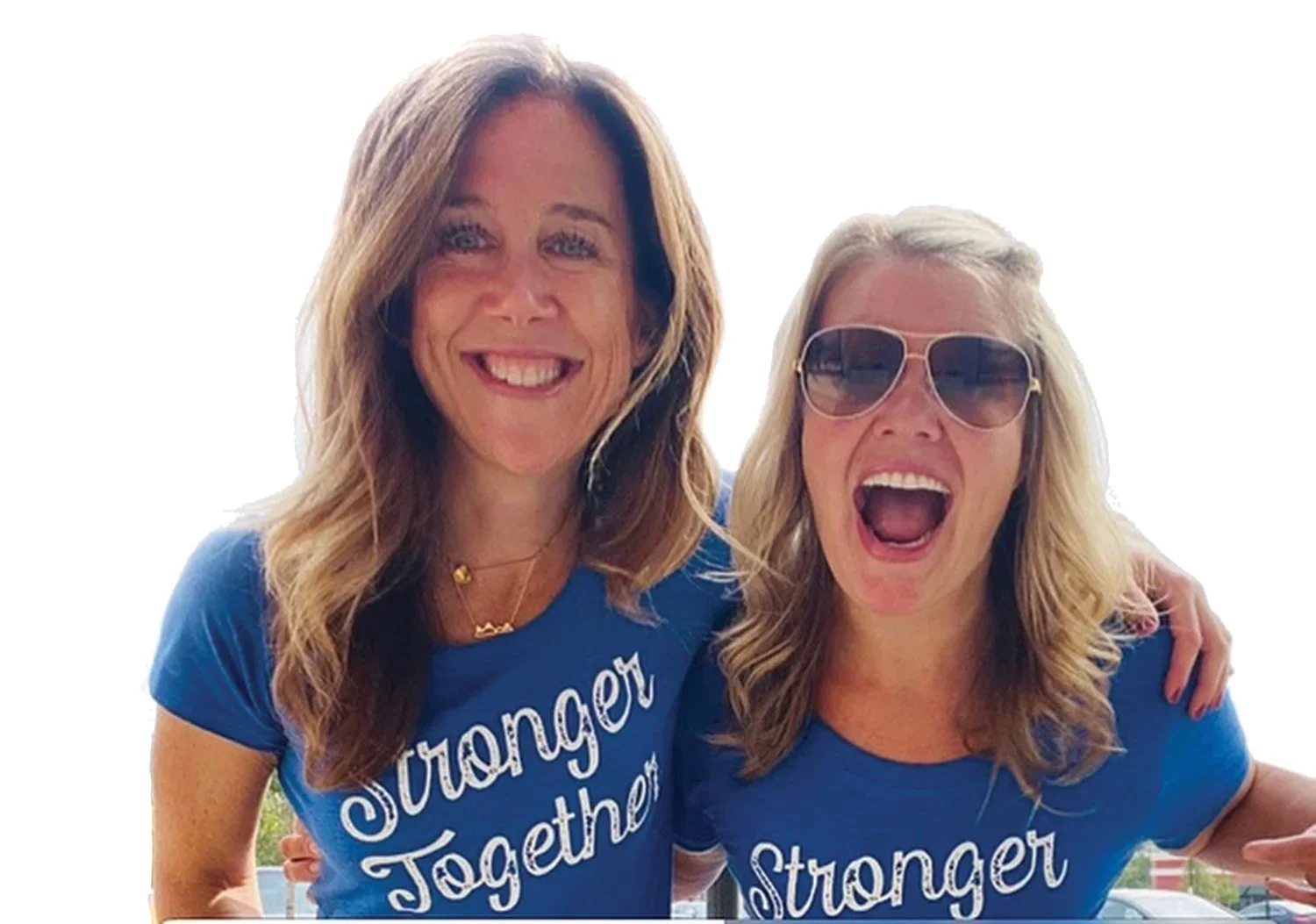
Paula Fleming: Anchored in the Middle


Photos: Stephanie C. Olsen
By Paula Fleming
When she arrived, Michaela was so small. She was 1 pound, 11 inches long, and she was perfect. Tiny fingers and delicate features.
They dressed her in a small gown, placed a knitted hat on her head, and wrapped her in a blanket. A nurse tucked a little teddy bear beside her. There was no cry at the end. No first breath. Only silence. But in that silence, she was still my daughter. I held her and said goodbye.
This is not an easy story to tell. For years, I didn’t tell anyone. But silence is heavy, and grief carried alone feels unbearable. I share my story now because I know there are women out there—maybe even reading this right now—who are walking through that same shadowed valley. You deserve to know you are not alone.
***
I am the mother of two beautiful, thriving young adults. They are my joy, my pride, my daily reminder of the miracle of life. Watching them grow into themselves has been the greatest privilege of my life.
But anchored between their births, there was Michaela Wren. She was born still at 30+ weeks. In the haze of shock and grief, I felt an urgent pressure to choose a name quickly, and it seemed fitting to honor my brother Michael, who died by suicide at just 18 years old.
From the very start, Michaela’s pregnancy felt delicate. At my mid-pregnancy ultrasound, I caught the look on the technician’s face and instantly knew something was wrong. From then on, my doctor gave me weekly shots to support the pregnancy. Each appointment felt like holding my breath, each week another fragile milestone I prayed to pass. When I reached 30 weeks, I finally let myself exhale. We’ve made it this far, I thought. Surely we’re safe now.
But March 6 is carved into me forever. The night before, I felt a faint discomfort. It was easy to dismiss at first, until it sharpened into relentless waves of pain. Deep down, I knew something was terribly wrong.
I went into labor in my bathroom, the pain so consuming I could hardly think. I screamed for my husband. Moments later, an ambulance pulled up to our home in Framingham. Everything blurred; The flashing lights, the paramedics. I plead silently for a female EMT, clinging to the fragile hope that another woman might understand the unbearable vulnerability of what I was going through.
By the time we reached the hospital, everything had changed. The doctors told me I had suffered a placental abruption. My daughter was gone.
***
After Michaela was born, I met briefly with a therapist in the hospital. She was kind, but the encounter was short, almost procedural. And then—just like that—I was discharged. Sent home with empty arms.
They gave me a memory box, cream-colored with a delicate finish. At the time, I didn’t know what to make of it. How could a box possibly hold the weight of a life? But inside were precious tokens: the little gown she wore, her knitted hat, the blanket that once wrapped her, the tiny teddy bear, photographs of her, and her footprints.
That box now sits on a shelf in my home. Once a year, I take it down, open it carefully, and sit with it. I trace her footprints with my finger. I hold the small blanket to my face. I look at her pictures. In those moments, I let myself remember—not just the loss, but her existence.
The days and weeks that followed were a blur of grief, physical recovery, and disorientation. Traumatic is too small a word for it. It felt as if my world had split apart.
What many people don’t realize is that even in the case of stillbirth, you’re suddenly thrust into an administrative process that feels almost impossible to navigate when you’re in shock and grief. Hospitals require you to name your baby almost immediately so they can issue a certificate of birth, and in some cases, there are steps around applying for a Social Security number as well. Having to make such profound and permanent decisions in such a short time—when you’re barely able to breathe—feels surreal and overwhelming. It’s a layer of pain that isn’t often talked about, but it’s something many families face: balancing raw grief with paperwork, signatures, and official records for a baby they’ll never get to bring home.
I was surrounded by support, though often from a distance. Friends sending food deliveries, work insisting on mandatory time off so I could reset (something I struggled with, because the quiet was unbearable).
I blamed myself. I replayed every choice I had made in pregnancy, wondering if I had caused it. Did I do something wrong? Did I miss a sign? Was my body not strong enough to hold her? For months, I carried that story: that I had failed my daughter.
But it wasn’t true.
Stillbirth is not the mother’s fault. It is not a reflection of strength or weakness. It is a medical tragedy. And it happens far more often than we speak about.
I reminded myself how fortunate I was to have a healthy one-year-old at home. Still, I longed to be pregnant again right away. Thankfully, it happened quickly, and before long I welcomed my daughter into the world.
Parenting after loss means learning to hold two truths at once: the joy of what is, and the grief of what isn’t.
That cream memory box is still my anchor. Every year when I open it, I give myself permission to grieve and to remember.
I tell this story because there are too many women grieving in silence. Because stillbirth is part of the broader story of reproduction, and if we only tell the stories of joy, we erase the ones that end in grief.
I share this not only for myself, but for my children—so they grow up knowing that every moment matters, that speaking about joy and grief alike is important. I want them to understand that bringing something up isn’t a burden, and that revisiting painful memories isn’t “dwelling,” It’s honoring.
I tell this to the mother who just lit a candle in her bathroom for the baby she never got to bring home. For the father who aches to comfort his partner but doesn’t know how. For the siblings who grow up with the quiet knowledge that someone is missing. And for my own children, so they see that silence doesn’t heal, but in sharing, we find connection, courage, and love.
I tell it so that when another woman hears,“I’m sorry, there’s no heartbeat”—she will not believe that it was her fault.
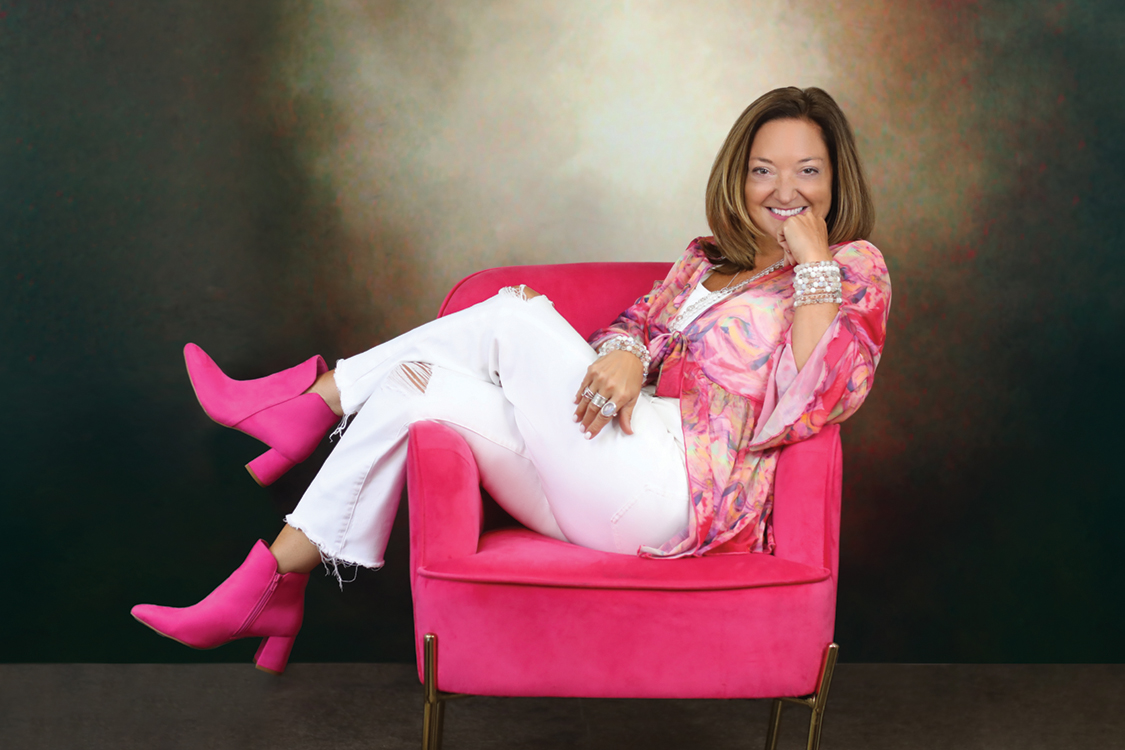
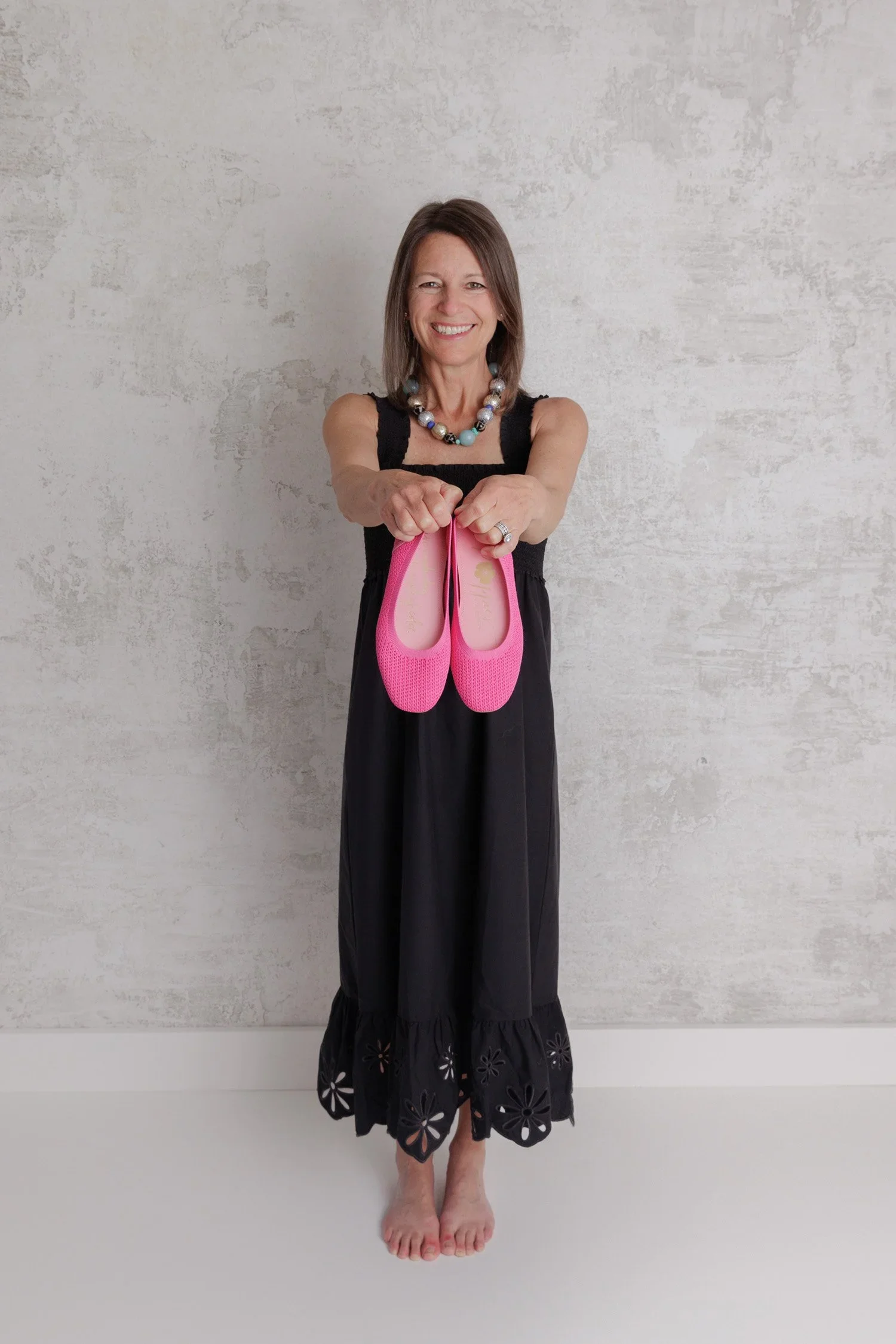
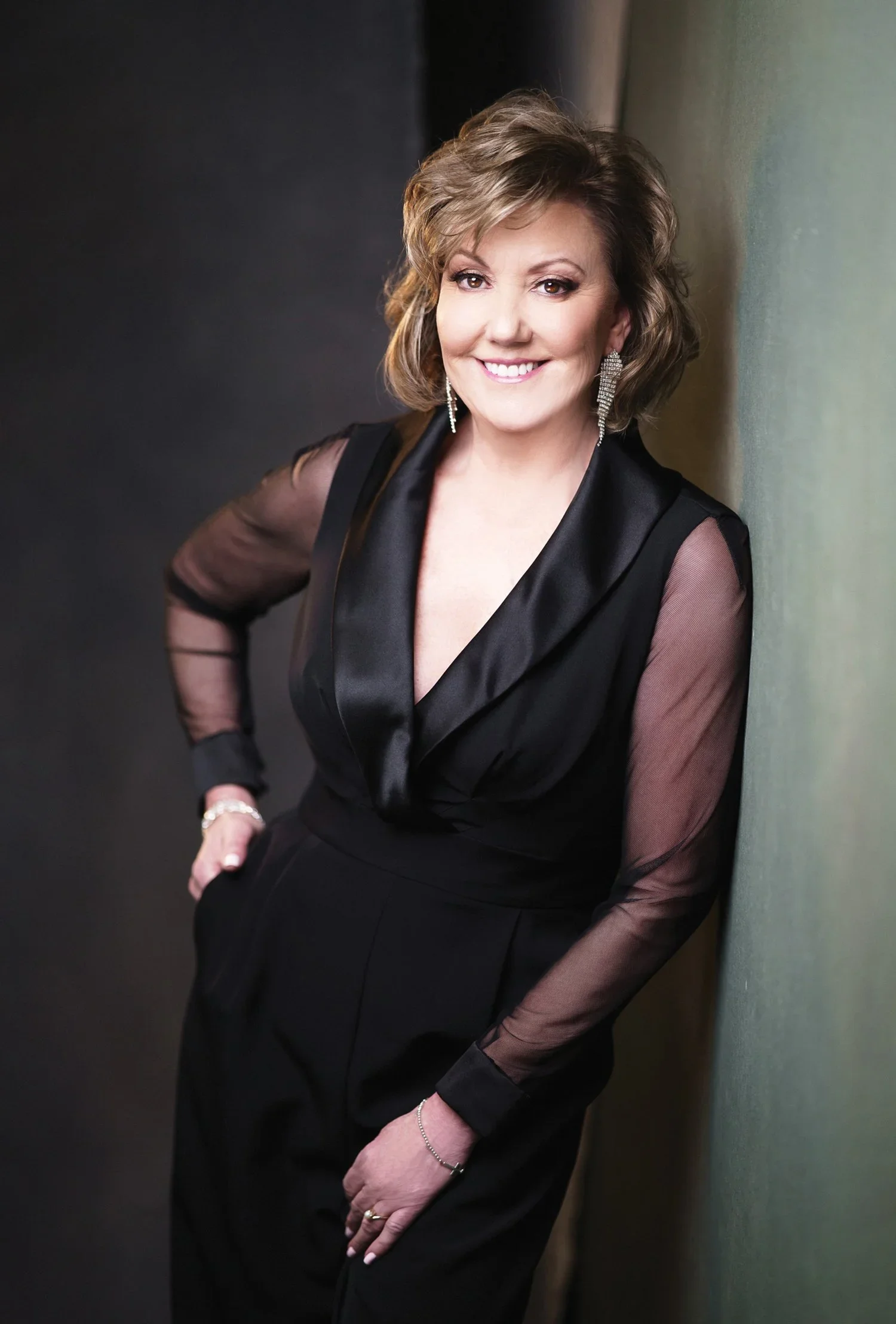
Paula Fleming is the dynamic CMSO and vibrant voice of the Better Business Bureau serving Eastern Massachusetts, Maine, Rhode Island, and Vermont. A proud Natick native, Paula has spent nearly two decades championing small businesses across New England. Paula is the former chair of the MetroWest Suicide Prevention Walk, and she’s found joy in the pool—trading her lifeguard stand for a more playful role teaching babies to five-year-olds the joy (and safety!) of swimming. At home, Paula is mom to two amazing young adults who keep her grounded and inspired. When she’s not leading BBB initiatives or cheering on local entrepreneurs, you’ll find her on a long walk to quiet the mental chatter, often with her loyal bulldogs Bella & Bogey.