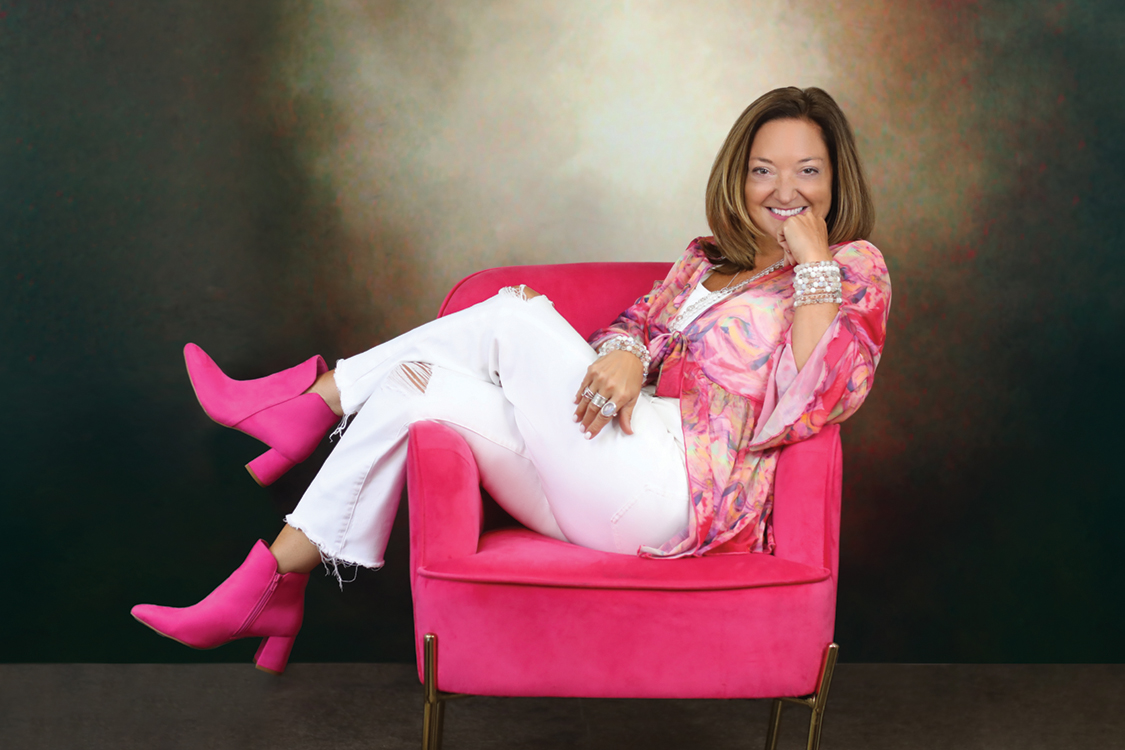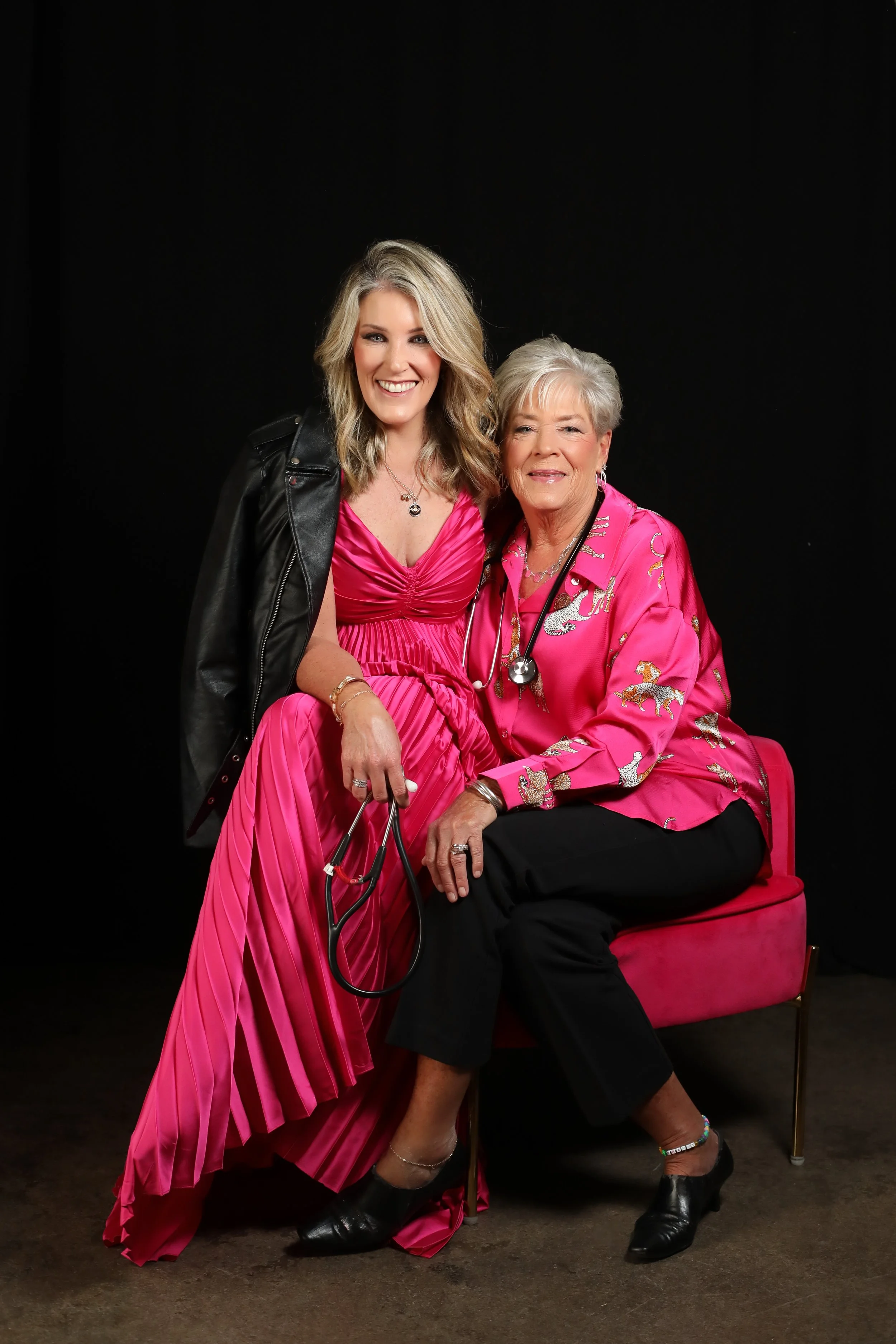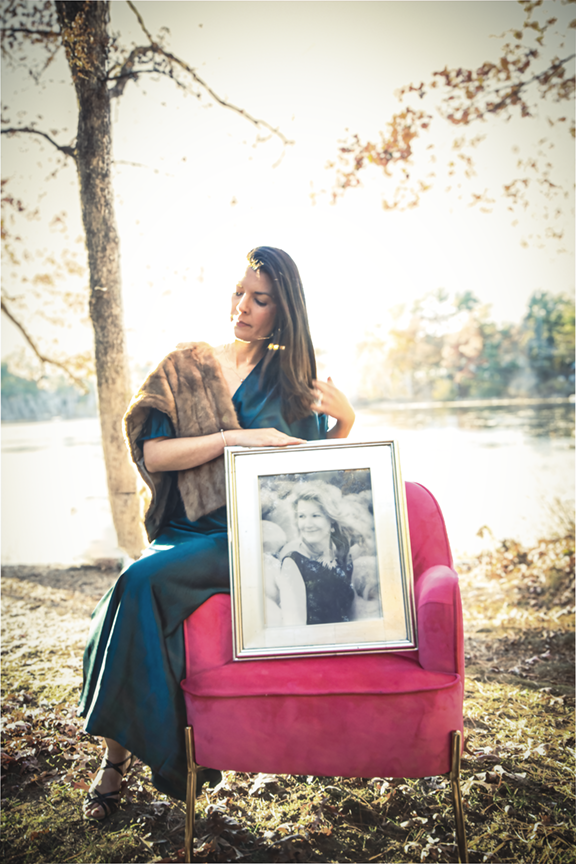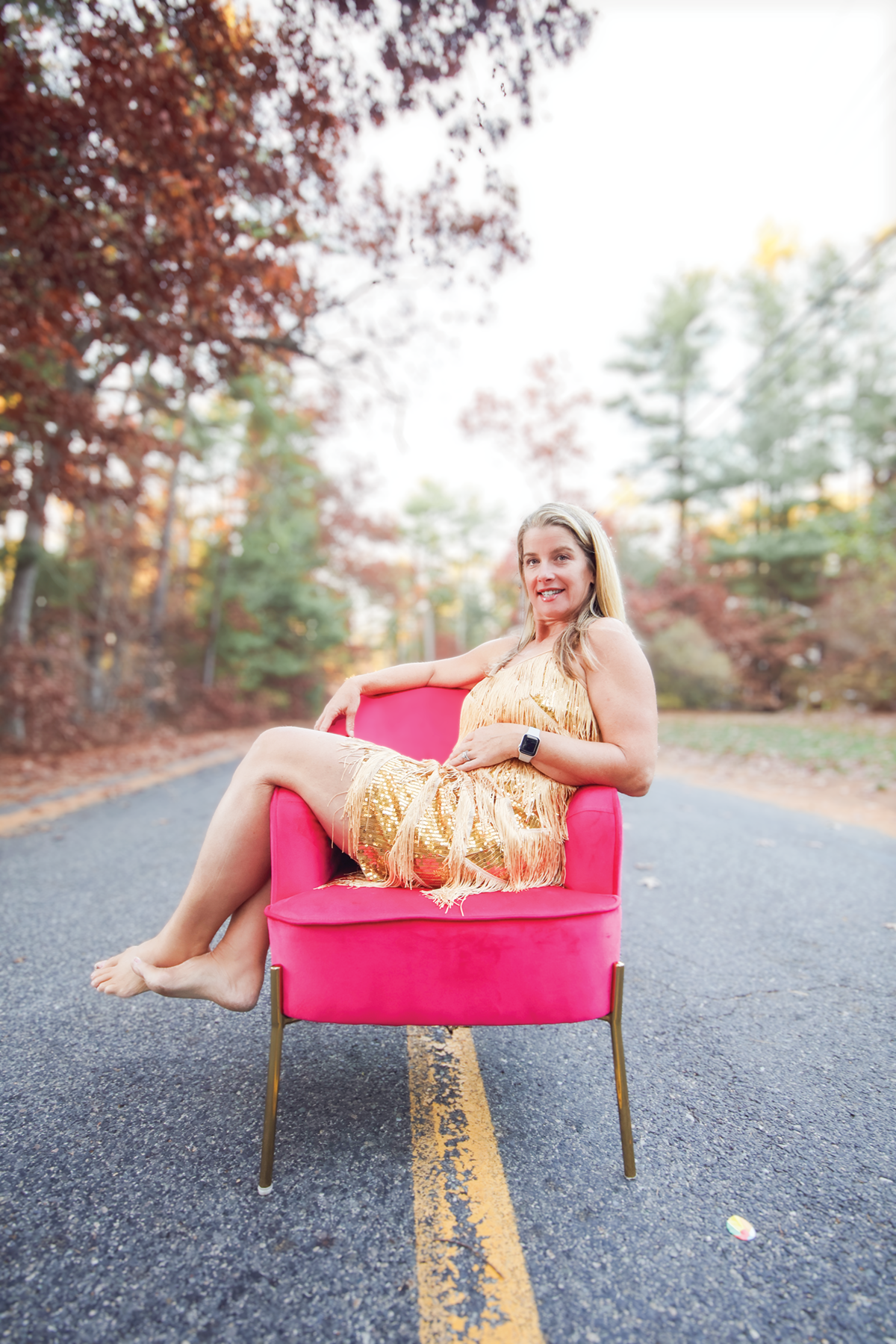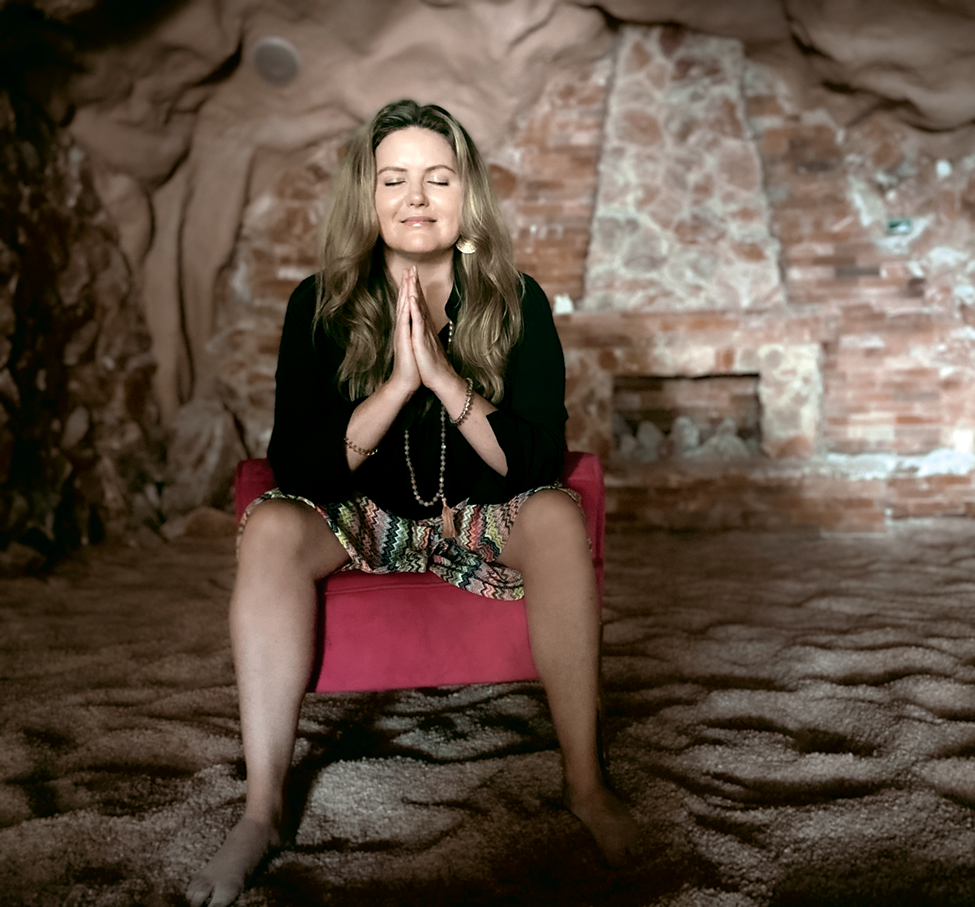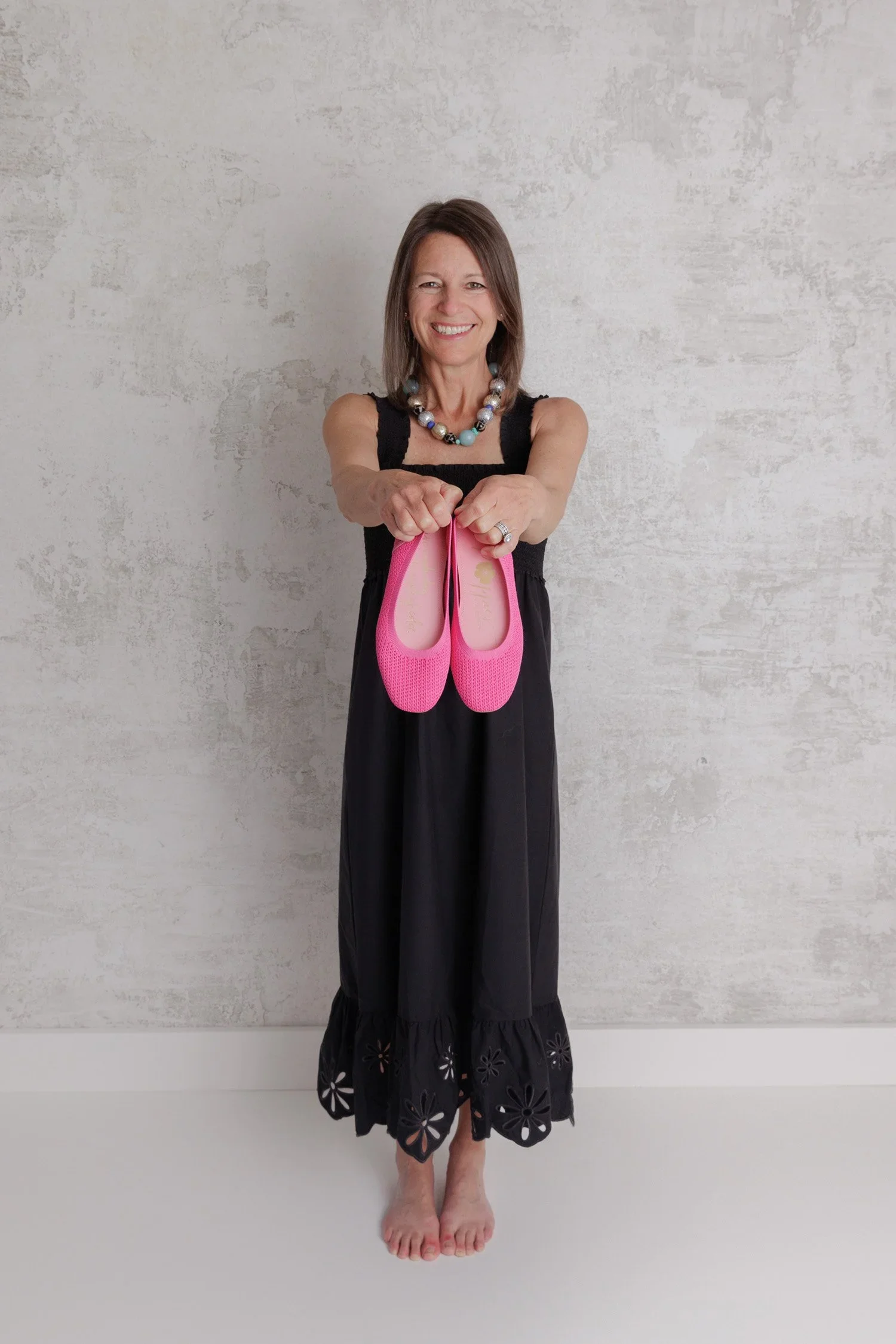
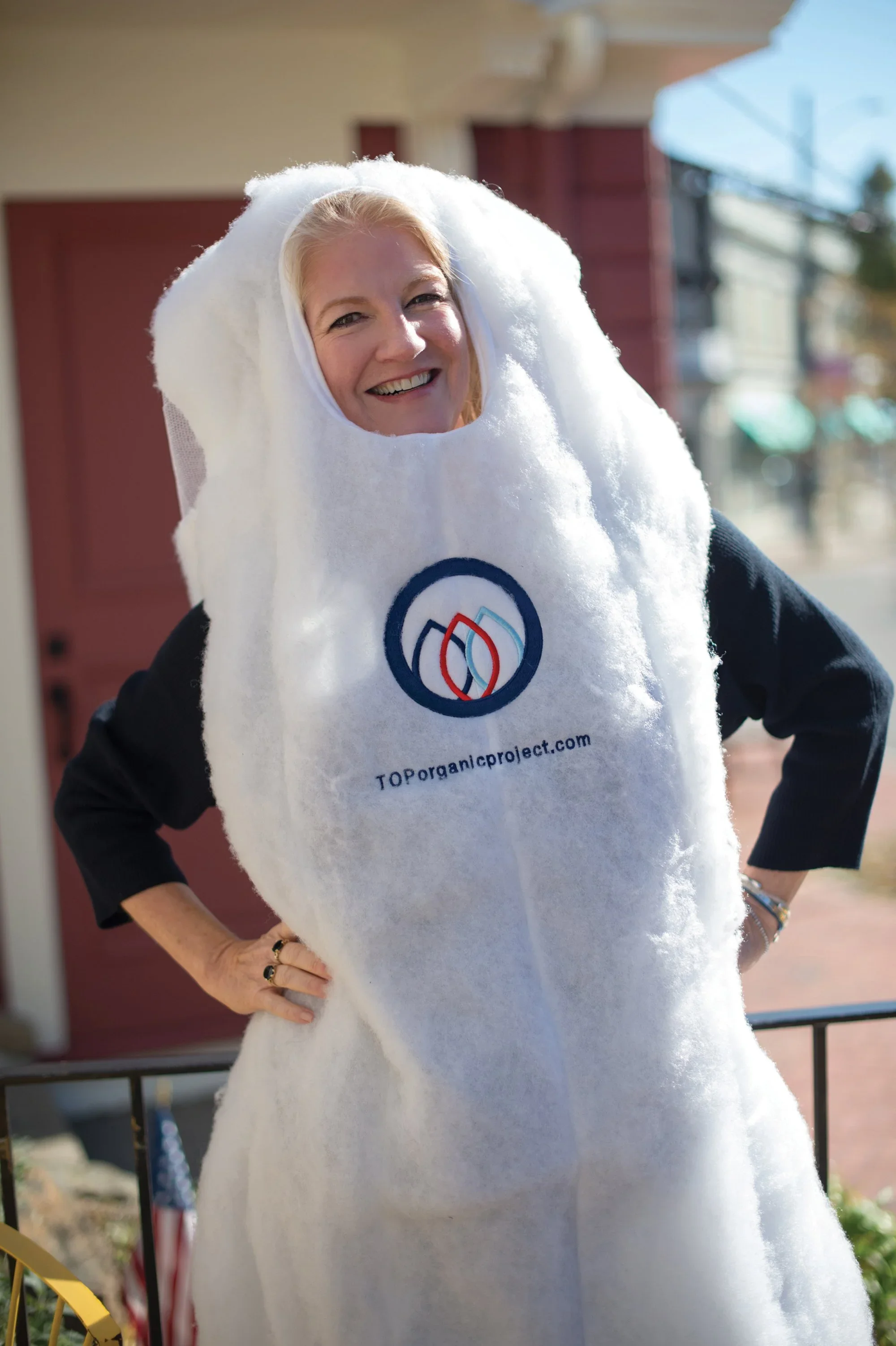
Thyme Sullivan says “period” and has a tampon costume.
Period. Tampon. Menstruation.
These aren’t whisper words anymore (we can even say these words around boys now). yet, Thyme Sullivan had to spell it out to an industry that shouldn’t need an explanation. PCS sat with Thyme, CEO and Co-Founder of UNICORN (formerly TOPS The Organic Project), to discuss the challenges of being a woman in an industry for women.
The conversation begins here:
Nestlé, Pepsi, Coke. Dunkin, corporate. I’m sure you were dominated by men in these companies.
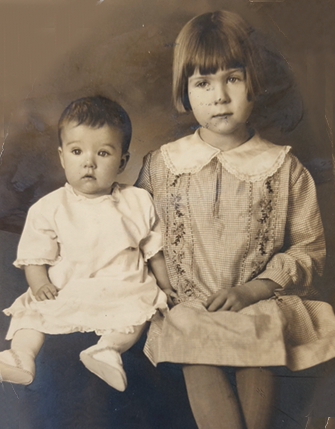
Absolutely. Because there was no entrepreneurship when we were graduating from college, you were supposed to go get a job. Looking back, my grandmother dropped out of college because she got pregnant. That’s what women did. My grandmother had a bunch of babies, because she was Catholic. And it wasn’t the best path for her. My mom didn’t finish college immediately because she got pregnant. When she went to work she was met with adversity because she was “supposed to” stay home with her kids.
We thought our generation was so blessed because we got to go to college, get corporate jobs, and put our careers first. And it would be amazing. But the industry I was in was male-dominated, and the women often weren’t kind to each other; they wouldn’t help each other out, and they only looked out for themselves. I had great bosses and tough ones.
My male counterparts got better raises and bonuses than I did. I asked why my boss why. He said, “You don’t need it, your husband is a Director.”
I was the only woman on an executive team. I missed the first day of school, the last day of school, both my kids’ birthdays, Halloween. I could have a meeting on Tuesday and I would leave Tuesday morning on the earliest flight and peel out of there after the meeting to get home. The guys on my team would leave on a Sunday, go golfing and get a steak dinner and leave on Friday.
As a woman, if you weren’t networking over steak and beers, which is the last thing you wanted to do with an infant at home, you couldn’t get ahead. It was tough, it was really, really tough. I was up at 5:00 in the morning to run on the treadmill so that my suit still fit. Then I have to get my kids ready and off to daycare, both of them at the time, an hour commute and at my desk by 9:30. I still got the side-eye! And I thought this is not sustainable! There’s nothing about the working culture that was built around women. And I think the only silver lining coming out of the pandemic is that people are realizing we don’t have to be in the office all the time. I still get asked, “Hey, do you want to have coffee?” and I’m all, “No! Pick up the phone!” The only thing that drives me nuts now is no one can just pick up the phone and call someone, everything has to be set. If you call somebody and they answer, they act like they just got electrocuted, and I just want to have a conversation. Calls get turned into a Zoom and then I have to comb my hair.
When my job was eliminated, I couldn’t relocate, and, again, this is a very old-school business belief: they thought you weren’t committed to the company if you weren’t willing to relocate across the country. But my husband works here and we are from around here, and my kids go to school here. I had a good severance package, and it gave me time to reflect and think about what I wanted. I was about to start with [the company] Kimberly Clark and I know I could’ve gotten the same type of job with much better pay, but I had mentors who knew me well and said, “You can do it, you will do great, and in six months you are going to be bored.” It’s true. I think that happens if you've always had that entrepreneurial and creative spirit.
There’s no encouragement of risk-taking in corporate America. They want you to stay in line and follow the rules. You couldn’t take a risk because it wasn’t rewarding; it just wasn’t worth it. My cofounder in this business, Denielle Finkelstein, and I both had long careers and it was difficult to untrain that muscle. We make decisions a lot more quickly and own them and be ourselves.
Who was in your head while you were pushing forward with this business plan?
Sara Blakely. Always. We were the recipients of the Red Backpack. She texts us every Monday. She’s built this community. Here was yesterday’s text: “Happy Monday. Don’t be a lady, be a legend.”
I heard, ”Be a lady,” a lot. That word has a lot of mixed emotions for me. There’s nothing wrong with being gracious and kind; we should all strive to be those things. But somehow “be a lady” felt more like “don’t speak up” and “quiet who you really are,” so I say “go for the legend” instead.
She never said she’s the smartest person in the room, but she figures it out. She carved her own path. When people told her, “You’re gonna have to go to war to be an entrepreneur,” she said, “I don’t want to go to war, I want to build a better culture and do things differently.” She gives back. She is exactly who she is on her personal Instagram as she is in her corporate life. She has a messy life that she lets everyone into. She let everybody see her messy house during COVID. She makes pancakes with her kids on Instagram Live on Sunday. She’s just relatable. So many women look at her and they say, “I can do that, too.” She has four kids and a messy life and she’s a billionaire, and that’s totally normal.
We did a podcast, and the host said, “The reason why this is going to be a great podcast is that women are going to find you and Denielle very relatable, and maybe they’ll get the courage to do it.” We did. We figured it out. There have been so many challenges, but we’re both curious, creative, and great connectors. I was just on the phone with her talking about all these great connections because now we need employees, HR, payroll, and all of the things that are so far out of our sphere. We seek guidance from other entrepreneurs.
Let’s talk about relatable. I remember when I was young, looking up to my boss and thinking I couldn’t wait to reach that level. And then I saw them as just, well, women! I thought I don’t emulate you at all. Your house is a mess. That’s not what I’m dreaming of, because I want St. John’s Suits.
Perfectly coiffed. And to make a life, not just a living. I’m trying to show my daughter that I can have girlfriends and I can go to yoga. I just think women weren’t giving themselves permission to have a life outside of work. We often hear, “work like you’re not a parent and parent like you don’t work.” That’s insane. It’s just not natural.
I hate the “How do you do the work-life balance?” Don’t ever use that again. That’s a lie. It’s an integration. Our lives have merged with what we do because we really love it. But that’s a really silly term. And anybody who says it doesn’t really live it. It’s not reality.
Your Linkedin profile reads “Speaker and Storyteller.” Great titles!
I have decided that is what my next chapter will be.
Nobody listens unless it’s a good story.
Everything begins with a good story. One of the things we got with the grant from Sara Blakely is a subscription to MasterClass. My first was with David Sedaris. I think everything is about storytelling.
I remember this woman said, ‘I greatly admire what you’re doing because I don’t know a lot of women who would put on a tampon suit and put themselves on social media. I know that took a lot of courage but what you’re doing is so important.’ But nobody would listen to us until we put ourselves out there in this fearless way. Now I would go anywhere in this suit. My husband and kids don’t even care anymore. My son is a senior in high school and I was worried at first that being in the tampon business and putting on a tampon suit was going to be a problem for him with his peers? But he says it is making it normal.
I went to a grad party and put a check and a card in a gift bag, each with one of our products. Our biggest sellers are our first-period box and our new mom-box. Our first-period box is huge because of our partnership with Girlology and the gift of knowledge, so she knows what’s normal and what's not. And in a community where she can ask questions, because it’s scary.
And the new mom box. We have had so many new moms tell us they get home from the hospital and the pads were so uncomfortable. The ones that came from the hospital are so big. We need something that’s more comfortable and actually works. So our box has an eye mask, a door hanger, and a journal.
Why did we not talk about this for so long? Once a month for 40 years, this happens to us.
We’re working with this organization of female pediatricians. They’re saying, think about when our kids are in 5th grade, and they go to get ‘the talk’ and they split up the girls and the boys. Now the boys go through school, have girlfriends, and know nothing about them. They end up being buyers at supermarkets and don’t know what women want. The other thing is we’re learning about single dads. They don’t know what to do. You know, 40% of marriages in the U.S. end up in divorce, and these single dads have no idea what to do. So we’re becoming a resource and changing that.
There are so many pieces of it. It was the environment. It was transparent. It was organic. It was about bringing plant-based and better-quality products. But then it became period poverty. Period poverty in the US is now one in every four girls miss school because they don’t have access to period products. When we talk about quality and empowerment, it’s not talking to her when she’s 30; it’s talking to her when she’s 12, maybe missing school. I brought my daughter to one of the first donation events at a charter school, and the school nurse explained that she has a budget that allows her to buy period products for about the first two months of the school year. If she doesn’t go to the club store on the weekend to buy products, the girls stop coming to school for a week every month because period products are not covered by food stamps, and families have to make hard choices. If you’re at a charter school, somebody advocated to get you there, you care about your grades. So how do you ever have a quality education when you’re missing a quarter of it? It’s insane! Every generation is making it better for the next one.
These girls, the Gen Zs, they’re going to change the world. They put up with no crap. All the things that drive me crazy will make her successful.
They will. One thing we can do to help is stop whispering the words our mothers and grandmothers whispered. Like “period” and “tampon.”
Right. We need to amplify their voices. A 16-year-old girl in Nevada wrote the legislation to provide free menstrual care in schools. She is 16. She is incredible.
What we found is an even bigger part of our social impact. There’s a measurable environmental impact from the plastic we’re making within communities, and how many women we can empower by providing not just donations but community pricing. It really does make an impact because it makes products with more dignity that are better performing, that are more comfortable, and that are sustainable. They are completely biodegradable. We can have an even bigger reach by partnering with community organizations. We get calls all the time from girls who have birthday fundraisers. High school girls who want to supply their school with products. That’s been such an incredible byproduct of what we’re doing. Our Director of Corporate Social Responsibility and Partnerships was the Director of Healthy Communities for Providence, RI, so we made a donation to the city of Providence. Providing free feminine care had a measurable increase in attendance for girls. She’s helping us develop this program.
It’s amazing to me that you have a Director of Corporate Responsibility in this stage of your company.
That was one of the first things we did because it’s part of our core values.
[phone rings]
Do you need to take that?
These calls go straight to the 800-83-tampon number.
What kind of calls do you get on that?
Everything. That’s how we got into Wegmans. The buyer at Wegmans saw us on social media and reached out to her distributor and said, “Find these ladies and see if they want to be in our stores.” It came through on a Friday afternoon on this number. So they called this number and I thought, Am I being punked? We had a call from a distributor in Virginia who said a college that he works with has a sustainability committee, and they asked him to find organic feminine care. He said, “I googled it and found you, and I can’t believe you answered the phone.”
Our pillars are organic, it’s about being transparent, it’s about the ingredients, which, funny enough, there is no transparency in this category right now, which is crazy. It’s about the giveback. It’s to make it more accessible through our retail strategy. And now we’re launching with Sprouts and we’re launching with HEB. And we’re finding with our Amazon sales the pockets of the country where we’re really strong. Now there are all these other parts of the business with direct-to-consumer and e-commerce. A lot of different places are making it accessible because there wasn’t a chance to choose better.
Women like you are teaching our daughters to choose better.
It’s always been dictated for us, right? This is just the way it is. I really think there is something to the idea that they truly believe they can change the world and do anything and everything. They’re not waiting until they get out of school to make a change. There are girls all over the country who aren't taking no for an answer, and they’re not staying in line or apologizing.
One of your tag lines is “Empowerment should never be a luxury.” Where does that come from?
I’m always asking people, not David Sedaris questions, but questions like “What is your superpower?” And they think, I can’t turn invisible and I can’t fly, so I don’t have any. I say, “Everyone has superpowers. It’s not always “I’m great at lacrosse.” It’s a great question because I think that everybody needs to believe that there’s something special and different about ourselves.
When did you run into naysayers?
It was 100% raising money. It was so awful. That first summer that we were in business, And we thought for sure it would be easier with our pedigrees, I had Coke and Pepsi and Nestle and Denielle had Kate Spade and Ann Taylor and Coach and Talbots. We got all suited up and went out and met with probably 50 venture capitalists. We didn’t raise a nickel. Every single one said, “no.” We’ve never had so much rejection in our lives. In 2019, 2.7% of venture capital went to women. Last year it was 2.2%. It’s extremely hard to raise money as a female. It’s probably the best thing that ever happened to us because it made us sit down and reflect on who we were talking to. They just didn’t get it. It was a bunch of young, white guys who went to Ivy League schools and all played lacrosse together. And they sat across from us in a very patronizing way and said “there’s already tampons. What’s your defensibility?” It was dismissive. It was horrible. We actually jokingly called it “The summer of unlove.”
A friend at UMass reached out about putting an article in their magazine and she asked “do you need help?” and I said “We need money.” Denielle was like, “You’re so shameless!” and I said, “You know, if you don’t ask, you don’t get. They can say no.” She told us about a fund at UMass where they invest in alumni making social impact. So they ended up being the lead investor on our seed round and the rest was friends and family. We at least had one lead that could formalize it and help us understand our valuation, and so on. They were all Angel investors. We just did a second round. Now, we have traction and we can be little picky and one of our advisers introduced us to a woman in Boston who is a big angel investor, and she was one of the first ones who said “hey look, this is what’s wrong with your pitch. Here’s what investors are thinking about. Here’s what you need to do differently.” She helped us craft our pitch and put us in front of groups of women who could connect with what we were doing and how we were doing it.
Probably the worst thing anybody said to us during the first round was “You girls are mom’s, are you sure you’re going to have the time to dedicate to doing this?” And I practically had to hold Denielle down so that she didn’t jump across the table. It wasn’t very long ago.
I can talk forever about fundraising. It’s awful, awful, awful, awful, awful, super awful for women. It’s exhausting. But I wouldn’t change it for anything. This brand is part of what we do. But if we someday can invest in other women and make it easier for them like they invested in us, and we can send that elevator back down--that’s when we win. If you can sit on boards--there are very few women qualified to be in boards and if you would ask me when I was at Nestlé managing a billion dollars in revenue, and asked me to be on a board I would have said “hell yeah!” But I wasn’t ready. We’ve got to develop more women who can go in and make real change on boards. There’s just so much to do and it’s really hard to be doing it. But it’s so worth it.