Ilana and Briana Are Not Bystanders
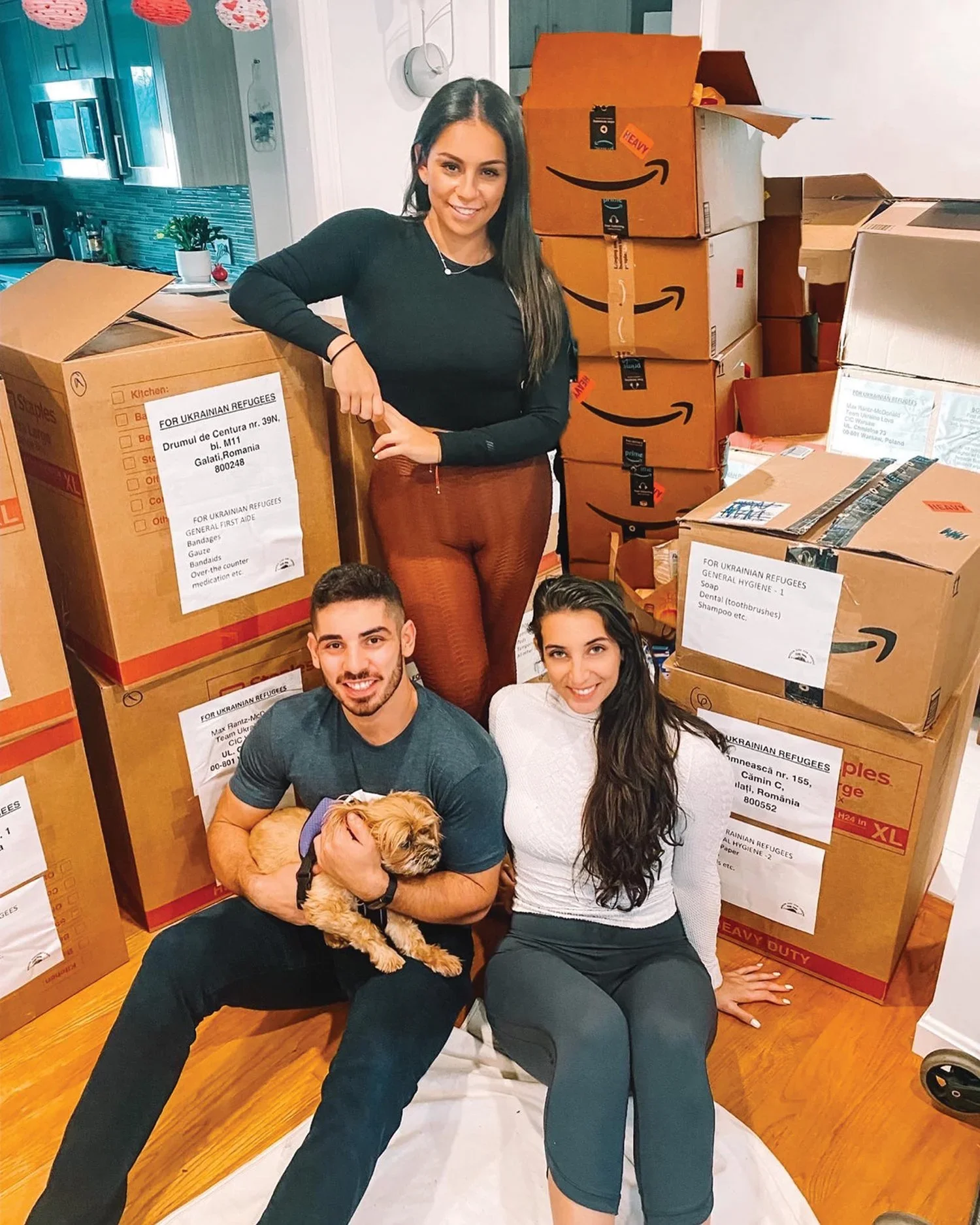
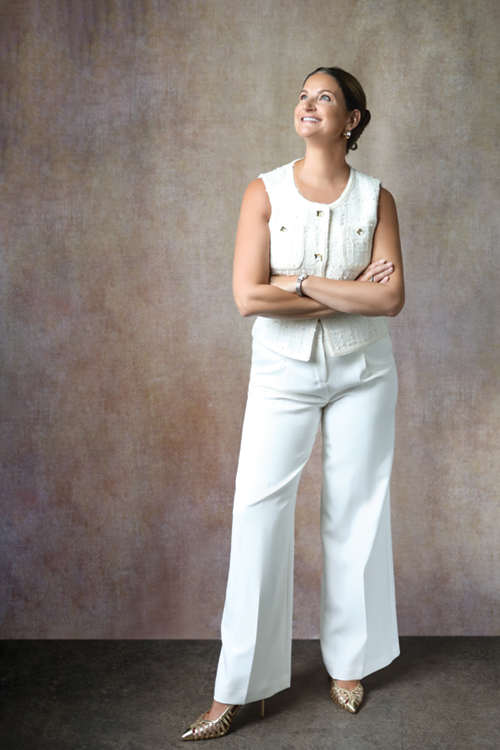
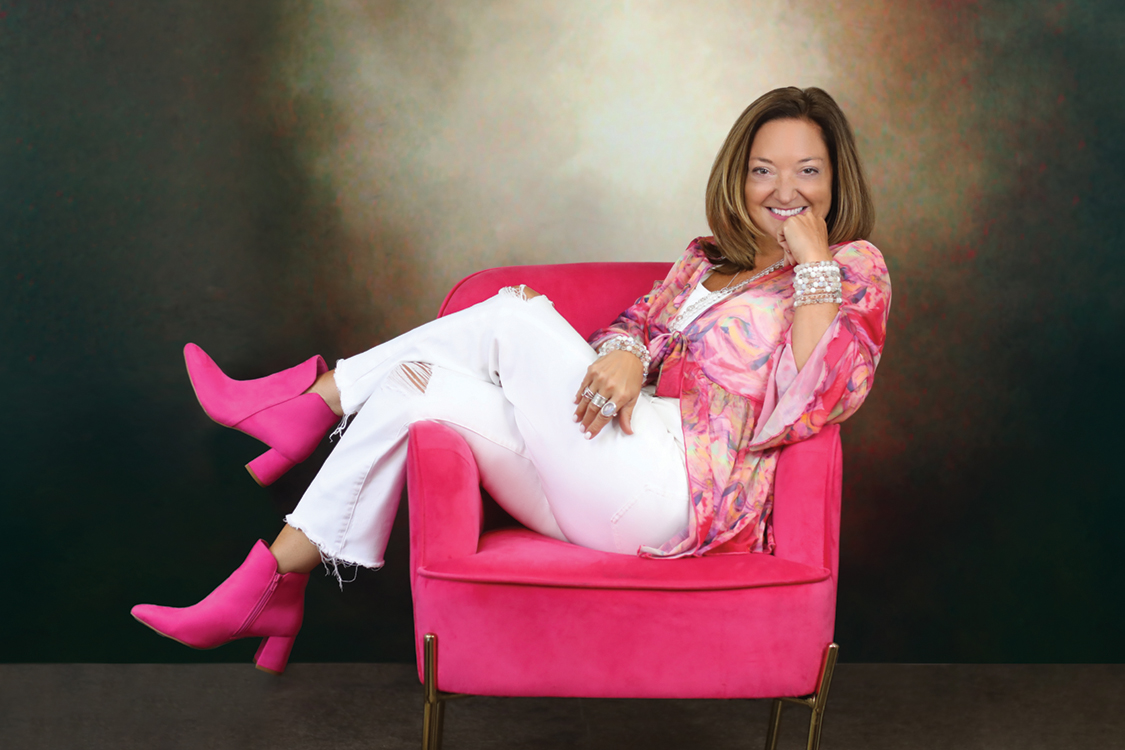
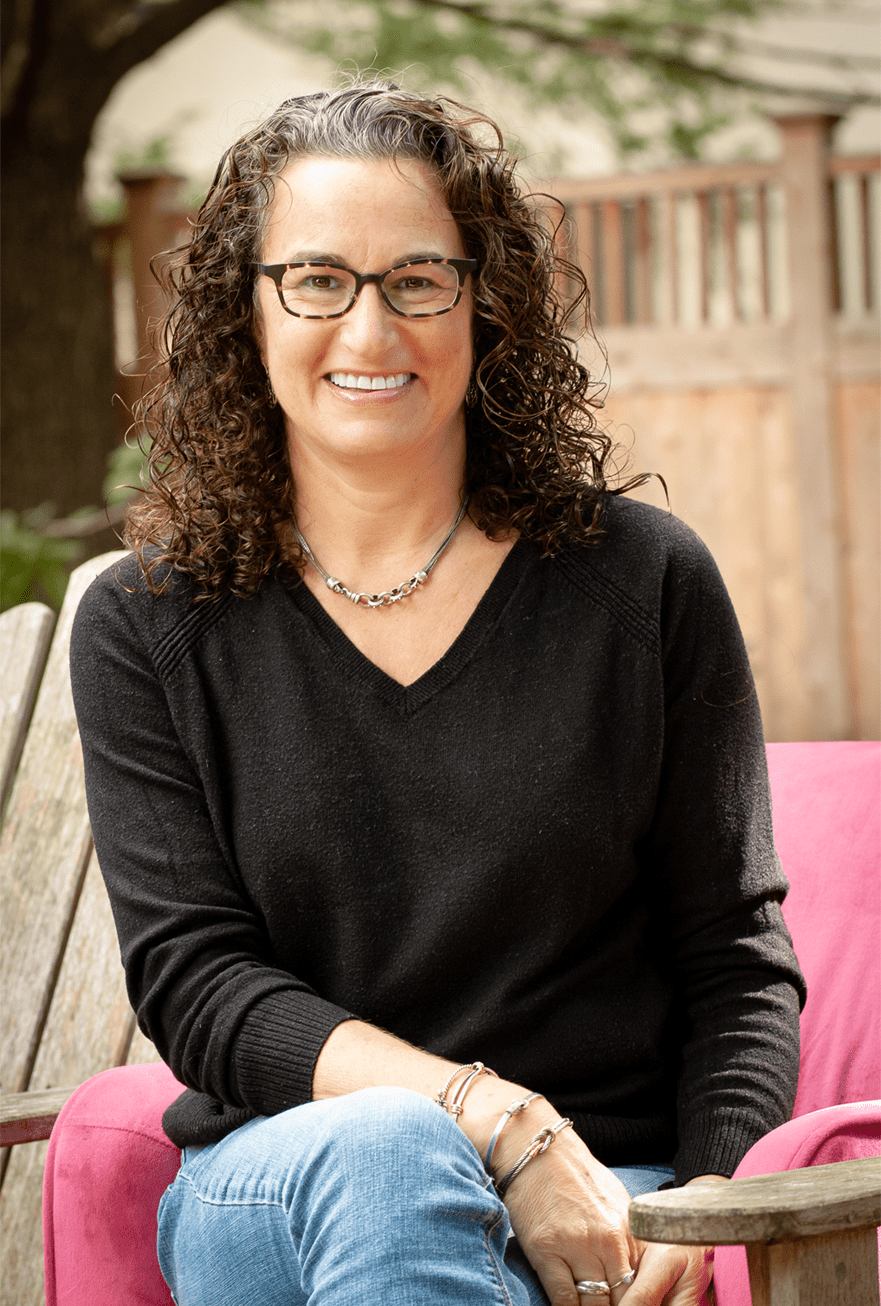
Photo: Briana Tautiva
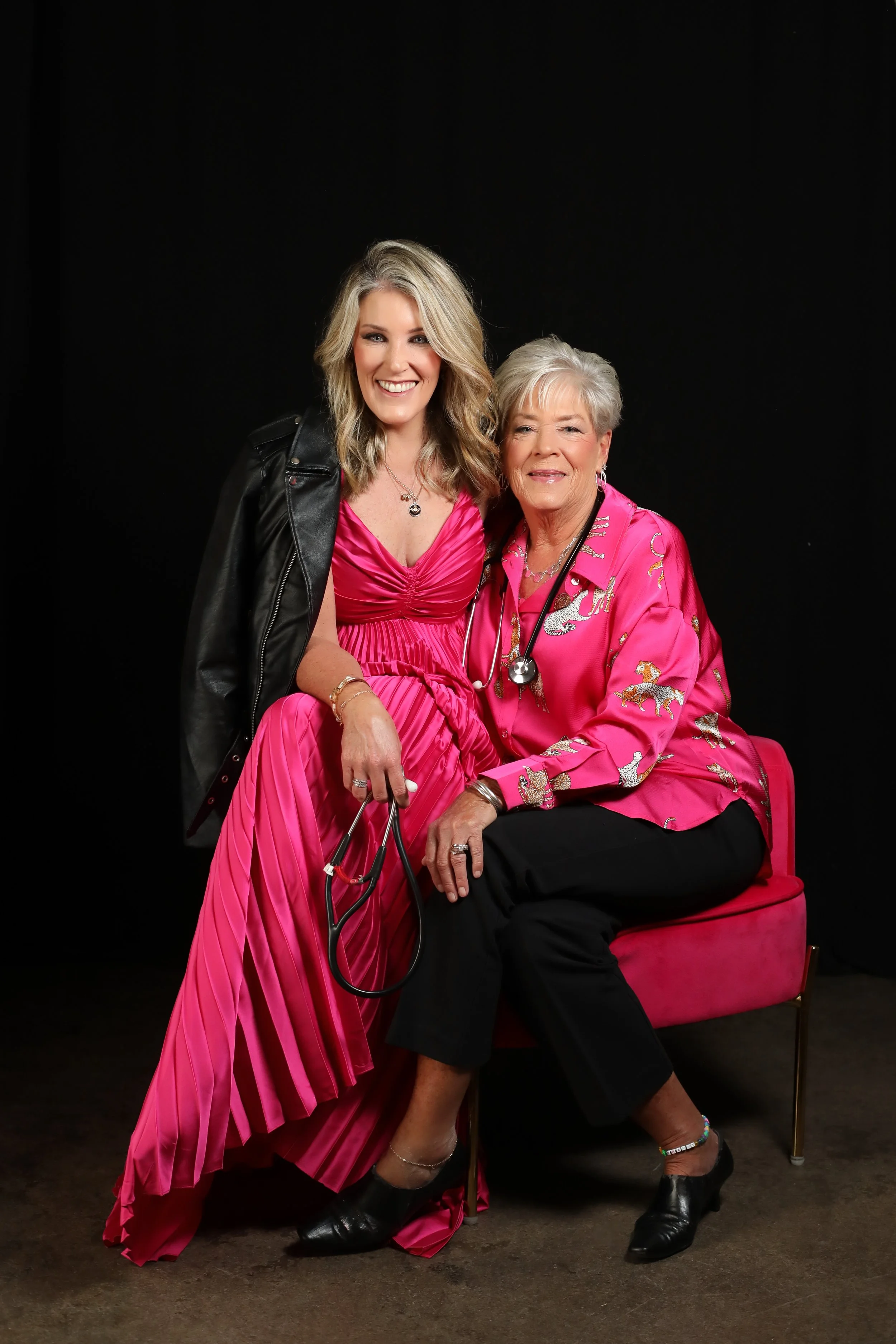
For Ilana Pavlotsky and Briana Tautiva, the war in Ukraine is a personal nightmare. Being a bystander is not an option. Doing something to help is in their blood and their family history.
Our conversation starts here:
Ilana, I want to talk about what you’re doing for Ukraine, but let’s talk first about your ties, your history in Ukraine.
Illana: My mom grew up in a village right outside of Kyiv. We call it a little Anatevka, if you could imagine. After she was born, she and my grandmother moved to Kyiv, where my grandfather was from on my mom’s side. My mom lived in Kyiv until she was 27. She studied and became a nurse at 18. They immigrated in 1988. They were supposed to leave in 1979. It was a long process; you had to renounce your citizenship as a Soviet. You had to become ex communist, you basically had to leave all your ties, and you were “crossed out” from their society in order to be able to provide documentation to even leave the country, leave the Soviet Union. You have to leave your job, leave university. That all takes time. And in that time, the border shut down.
From 1978 to 1989, they were stuck behind the border. After my mom got out of high school, my grandmother, who was already a well-respected nurse in Kyiv, told my mom, “You have to go back to university. You have to get your degree and go to work. We can’t go anywhere.” And at that point they were already considered ex communists, so it was very—— I don’t even know what word to use. My mom keeps saying it was “very embarrassing” to have to go back. People didn’t want to accept her because, in addition to being Jewish, which was like having an “X” on her, she’s now an ex-Communist as well.
But she did it, she went to school. She was a nurse when Chornobyl happened. She would tell you the story much better than I. She saw the scariest things. And we’ve spoken a bit about the propaganda behind Chornobyl. My mother found out about the accident from her family members who were being sponsored in America, in New Jersey, at the time. They called Mom and asked if everything was okay. My mom was like, “What are you guys talking about? It’s American propaganda! There’s nothing going on, everything is fine.” Meanwhile, she’s treating these firefighters, not knowing why they were coming to the hospital covered in burns.
That’s her experience. I mean, there are tons of stories that I could tell you. But they immigrated from Kyiv, and the immigration journey was a very long. They had to travel through Austria and, theoretically, you had to leave the Soviet Union and tell them that you’re “going to Israel.” That was the only way out, to say that. And once you leave the border, then you have no documentation, you’re a free person. At that point, once you hit Austria on the train, you’re either really going to Israel, or you now have “changed your mind,” and you’re going to America. If you look at the history of Soviet immigration, it was from Austria to Italy. And in Italy, there were large communities of Soviet refugees that would stay there for 6 to 9 months. My mom was there for about 8 months and was supported by organizations like Combined Jewish Philanthropies while they waited for the documents to arrive in the States. And of course, you had to be sponsored, have some sort of family relationship here. So she came with her mother, her father, and her little sister when she was 27. They came to Boston. And that’s where she met my father, who had come here when he was 21.
He grew up in a small village right outside of Odessa. Where he is from often makes me question my identity because I’m Ukrainian/Romanian, Ukrainian/Moldovian! Listen, depending on the year you’re looking at a map, that’s where I’m from! My grandfather was born in the same hospital my father was. When my grandfather was born, it was Romania. When my father was born, it was Moldavia. It is now Ukraine, so what am I?! The point is, borders move around all the time, but we’re all brothers and sisters. He immigrated when he was 21, in 1979, through Austria to Italy. Same process 10 before my mother.
There was a large, black market in Italy which is where everybody had to sell whatever goods they had. There is a joke in our family that the only word in Italian my dad knows is “condom.” What are you bringing with you to trade on the black market? Caviar, of course, Russian vodka, and condoms. That was the thing! He tells me stories about hiding in dumpsters from the police in Italy. It’s insane the lengths they went to in order to survive. He came to Providence, Rhode Island, in 1979 and then to Boston.
1991 Ukraine became independent. When was the last time that you visited Ukraine before the war?
Ilana: Before this war? We were there in 2019, my third time there. I have older brothers, Daniel and Eddie. We surprised our parents in Ukraine. The 2 of them were there on a trip while I was in Israel on a birthright trip as a staff leader. My brothers came in from Boston and we surprised my father in Odessa. This was his city, the city that he grew up in. It’s where my grandmother was from. My grandmother’s brother was the head engineer for the port of Odesa. Odesa is on the Black Sea. He constructed that port, so Odesa is our home. It’s everything that we know. So, we surprised him in 2019. But I was there in 2014 when Crimea was invaded. I was on one of the last flights out when everything started there.
That was my first kind of “go-around.” It helped a lot shaping what we did for this war, because I had experience getting shipments to Ukraine and knew the process. In 2014, I was a sophomore in high school. I came home and said, “We have to do something, the stores are empty, there’s nothing.” I was in Dnepropetrovsk, which is a fairly well-to-do city. Supermarkets were completely empty; there was nothing to eat. So when I got back, I sent 16 boxes of aid and raised the funds to ship it, and that was my mini drive.
Your mother left as a Jewish woman and ex-Soviet in 1989. It’s a very different Ukraine now. What were their reactions when they visited in 2019?
Ilana: The first time we went back, I think my parents were more shocked than we were. What they had remembered—their apartment, their schools-were different in their memories. The little shed they lived in and the rundown school were the same; nothing had changed. They saw, as adults, what they had grown up in.
Does Ukraine recognize dual citizenship?
Ilana: Yeah. I mean, it’s tough because in Russian if you say “Ukrainian,” that word signifies Russian Orthodox religion. So it’s very weird for me when I say I’m Ukrainian, I am a Ukrainian Jew. Growing up, my parents’ passports said their nationality was Jewish. Ukrainians were Orthodox. So it’s hard for them to want to have the citizenship of Ukraine when, as Jews, they were not treated well. It’s still their home country, and they’re going to fight for it, but it’s kind of a sticky situation.
So here you are, getting phone calls from Ukraine, from your friends. What did they tell you?
Ilana: A couple of weeks before the war started, we were talking about it all the time. Like, “something is brewing,” but we all kept saying, “there can’t be a war. There couldn’t be a war.” But the tanks were lining up. So we would call our friends to find out what’s going on, and they were all like, “Everything’s fine! You guys are just making this up.”
Briana: They said it’s all “over-played in the media,” and “don’t listen to the media,” “We’re not buying it, we’re okay.”
Ilana: When the bombing started… it’s all a blur for me.
Briana: In the first few days, I remember you and [Ilana’s brother] Daniel both glued to your phones.
Ilana: My brother and I were just zombies the first couple of days.
I can’t even imagine.
Ilana: I am seeing my biggest fear in life. Everything that my grandparents survived and my parents survived—it’s too much. I can’t even sleep at night if I watch “Schindler’s List.” I can’t, because I would always have a fear that this would happen again. It’s been a fear my whole life. And I’m watching this happening in front of me
Briana: I remember watching both of you, glued to your phones every second, checking updates. The first week was helplessness. It was “Can we do anything?” We’re watching it happen before our eyes. We’re watching history repeat itself. There was a march in that first week, and that was the first time we felt like we were doing something. [Ilan’s mother] Roza came as well. We walked miles, but afterward, we sat there like, “OK, that was something, but it wasn’t enough. It’s not enough just to speak up or march.” It didn’t bring about any actual change.
So, we decided to do what Ilana did in 2014. Ilana started reaching out to DHL to figure out how we can navigate a shipment. Daniel started a GoFundMe with an initial goal of $2,500. We started small, taking on what we could. It grew much faster than we anticipated. We woke up the next morning with $10,000 in that GoFundMe. Within 24 hours, we were on Channel 5 News, and people were coming by every 20 minutes. People would pull up to Roza’s house in cars and unload their cars with stuff. I think I started bawling just in disbelief that people cared this much and wanted to help. We thought, “if people are going to help us, then we’re going to continue to do everything that we can.” And that’s how it all started. My business mind started going and we became a nonprofit; we started getting organized.
You turned a small ask into a huge act of humanitarianism. The way I look at it is like this: the younger me organized the marches and demanded change. Once I got a bit older, I started to get more organized and called for change in policies, laws, and learning the way the world really works. Now I’m even older and now maybe my brand of activism becomes more philanthropic and, well, “here’s my donation.”
Ilana: Also very helpful! I mean, everybody plays a role. You’re absolutely right. For example, when Briana and I started posting on social media we saw people in our community trying to do the same thing. I would see the way that they’re approaching it, and I’m like, “This is great, but do you have a process? How will you ship this? Do you have a contact in Ukraine? Do you have the funds to ship this because that one box is gonna cost you $400.”
Briana: “Do you know how you’re going to get through customs?” A lot of people tried to do little projects, and it’s amazing. Everybody wanted to help, but again, we didn’t accept a single donation until we had shipping lined up. We didn’t launch a GoFundMe until we knew exactly how the stuff would get there.
Ilana: And that was where our experience came from— my shipment in 2014. I knew this was something you just couldn’t drop off at FedEx and have shipped. This is a long process. We reached out to DHL, for example, and it is phenomenal. They have been extremely supportive! We have an account rep who has me on speed dial. We’re talking back and forth all the time.
What are you feeling? Are you overwhelmed?
Briana: We were overwhelmed with the amount of supplies, but that’s a good problem to have. I think my emotion, why I was crying, was just thinking about our families. Ilana’s family escaped persecution; my great-grandmother also escaped the Russian Cossacks and Jewish persecution. So, looking back to so many times people did nothing, just sat there, and didn’t act. They were bystanders. Now we are seeing regular people-—not governments, not organizations, but just regular everyday people—-come and drop off the clothes and want to help as much as they can.
People are calling us and reaching out over social media, asking, “Can I come help you pack? Can I come help you load boxes? What can I do?” I get messages every day from people who just want to help and want to make a difference. This is what motivates us. You don’t have to be an organization or a multimillionaire to make an impact.
It’s a relief to hear there was such an outpouring of support. How much have you raised in the first months?
Briana: We are close to $65,000. We were on the news every day at the beginning, so we captured as much as we could. Now we’re filing for 501(c)(3) status, and we will then be able to go to businesses for support, and that will help.
I know you’ve been asked, “How can people know that you’re legit?”
Ilana: We honestly, in a way, appreciate it. And that’s what I want to say to you, that this organization is people, it’s not businesses. It’s people. We have people on our side and people on that side. It is not an organization. It is the person at the border, the person seeing the refugees come in, the person in Poland, a person in Romania.
One connection we have, in a long loop, is somebody that I met on my birthright trip, who does a lot of YouTube work on a channel called “Yes Theory,” they have a big following. I saw on a recent post that he was on a flight to Poland, so I messaged him, asked, “Do you need help?” and told him we’re looking to ship things over and do you have a place. He said, “Absolutely, here’s my contact, lets start working.” With that “Yes Theory” connection, they created a subgroup called Team Ukraine Love. They’re based out of Warsaw. It is all volunteers, just like us. They have leveraged their social media following to raise $650,000. They’re doing the same work as us, so we’re supporting them through different avenues. We’ve sent them direct packages, and they have bought things on the ground here in the US—-things that haven’t been donated to them, like tourniquets, chest seals, and field stretchers. They utilize our shipping account. So our turnaround rate is typically, send out on Tuesday, by Friday it’s on the ground in Poland or Romania. Shipping by sea is cheaper, absolutely, but it'll take six weeks. I hope that in six weeks this war will be done. So that’s not a fast enough turnaround.
Briana: Especially now that we’re delivering chest seal wound kits and high-grade medical supplies. We’re going away from general donations. We’re now pivoting towards what’s needed right now and what they can’t get there. And it’s life-saving stuff, so the faster we get it there, the faster we know it can be driven into Ukraine.
Where are you getting supplies?
Ilana: Team Ukraine Love is sourcing it. They have our address as a contact for these shipments and donations. We put our labels on it with DHL, and it gets shipped through us. So we not only will be raising money and sending our own supplies, but we’re also acting as liaisons.
I’ll give another example. Team Ukraine Love shared our post on social media and Briana called me and said, “We just connected with a girl on Instagram, and says she’s at the border in Poland and she desperately needs help from ‘Yes Theory.’” At that point “Yes Theory” had posted that they had procured 100 generators from Berlin and someone on the team brought those generators to Poland. This girl’s name is Lilia, and she is a volunteer at the Medyka, Poland border. This is one of the most popular borders from Poland and Lviv—-you’ve heard Lviv is one of the cities that a lot of people are going to, people are walking or driving and it’s 20 miles between Poland and that side of Ukraine. There’s nothing. It’s literally just farmland there. They need everything.
Briana: This girl who reached out, I’m like, “Is she real? I don’t know her.” I didn’t know anything about her. Her Instagram is private. Well, we wound up on FaceTime that day and she’s on the verge of tears. She’s volunteering at the border at Medyka and she said “I’m watching kids die of hypothermia because they’re freezing. I can’t watch this, I’m desperate. I’m calling everyone for help. Can you help us?” Long story short, she connected with some of our medical teams from Boston that happened to be at the same border (Medyka) whom we sent supplies. We wanted to make sure she’s real, she took a selfie with the people that we know—-they happened to be there that day, which was just serendipitous for us.
Ilana: A medical team of people that we know in Boston were at the same border in Poland and by chance posted a picture on Facebook. I said, “You’re in Medyka?” And she said,“I’m where?” I said, “That location, I see it on Facebook. You’re in Medyka.” She said, “ Yeah, I’m here, there’s only one medical tent. They really need help here, it’s really bad.” I said to Bri, this is a legit place.
Briana: We now talk to her several times a week. She connected with the “Yes Theory” team, they brought her truckloads of supplies. She had a pass-—you need a pass, a card to get in and out of Ukraine easily—-so she was helping the “Yes Theory” team get in and out of Ukraine. They send selfies of them going under cover of night to bring supplies in, and we see our boxes being unloaded in the truck.
She texted, “One day I’m going to meet you and give you such a big hug.” I can’t… everyday people. We’re seeing people care and want to make a difference. We’re seeing her photos of our stuff get there. It’s just… We did that. We did something. We made a difference.
If this doesn’t tell you how small the world is now, nothing will.
Ilana: That’s just one story. There is another girl, Emma, who reached out to us on Instagram from South Boston. She’s Romanian. She was leaving for Romania and wanted to know if we have any connections to people where she can go volunteer. She had already a connection to a monastery in Siret, Romania. They are housing pregnant women and women with young children. She came to our home, and I stocked her up with 2 suitcases filled with new clothes for kids, babies, diapers, wipes, pads, tampons, baby formula, and a bunch of things.
I talk to her every other day. She calls me to translate. She speaks Romanian and I speak Russian. So what happens is she puts me on the phone, I speak to the refugee, I translate to English, she translates from English to Romanian. At the monastery, sister Andreana is a nurse there, I don’t even know her, but I know her name and I know that she doesn’t speak Russian. So there’s been a couple of times where they call me and a mom is telling me, in Russian, that her child is having stomach issues, and I, from my medical background, know Russian medicine, so sometimes I’m triaging them and explaining to them what they need to give the child.
For example, yesterday was a really hard situation. I got a call at 4:30 p.m. about an elderly lady who was claiming to want to go back to Kyiv. When Emma got there, she asked me to speak to the grandmother. The woman told me, “Call me “babushka,” which is in Russian ‘grandma.’ I’m trying to explain to her that Emma will give her a place to stay for the night, and then help her in the morning.
Emma takes the phone and she starts texting me that a strange man just approached her, and is claiming that he’s going to help babushka and has a train ticket for her, but he needs her passport. She’s on the phone with me and I said put me back on the phone with babushka. I’ll talk to her; I already have a rapport with her she’ll listen to me. Long story short, the grandmother went with Emma, she didn’t end up going with that guy. Emma kept me on the phone until they got back to the monastery because she said the guy started following her. I FaceTimed with babushka when they were back in the monastery and she was very confused. She was probably cold and hadn’t slept for a while. She said she had been in Romania for 40 days and just wanted to go back to Kyiv. She said she was ready to die and just wanted to be buried with her husband. She said, “I’m done. I’m ready to go back.”
I convinced her to just sleep on it and that we would talk in the morning. In the morning, I woke up to a text from Emma saying that babushka decided that she was going to stay there and that she felt safe there.
This is what your day is like?
Ilana: Briana is a full-time student; I’m a full-time nurse. Daniel is working full-time as well. We’re juggling this between all of that, yeah.
Briana: We definitely get overwhelmed. A couple of weeks ago the three of us said we need a break. We’re taking a Sunday off from shipping and boxing. We do get overwhelmed, but I think, and Ilana would probably agree with me, it’s just what we’re supposed to do. It would be harder to sit by and watch this happen. How can the world just sit there and not do something? For me, whatever little pressure we have on us every day I find it insignificant relative to the things that they’re facing every day. These people had to flee their home. They don’t know if they get to go home. We’re doing a few phone calls, dealing with shipping logistics. It’s nothing compared to what they’re dealing with, and so I think for me, it’s just the bare minimum that we as human beings should be doing to help other human beings in need. And I would hope, I would pray that, God forbid if I were ever in their shoes, that someone would repay that.
Ilana: I think that she captured it all.
Yes, this is the land that I come from, but at the end of the day, we’re humans. We as people owe it to innocent lives to help them in their time of need and I’ll repeat that for the rest of my life.
That right there is hard to teach, and I do think teaching by example is probably the only way.
Ilana: I will say, a lot of what I carry is for when I have children, for them to know my story and our history, where they came from. I think that’s a big thing that’s missing in our society. There is so much rich history from our grandparents, and I would say 99% of them were immigrants who came to this country with nothing and established the huge businesses that exist in these communities. But their grandchildren oftentimes don’t know their history.
I know the struggles that my parents went through and my grandparents went through, and what they survived. I’m obligated to make up for 2 generations’ worth of life. It is my duty to make up for everything that they sacrificed so that I’m not in Ukraine right now. So that I’m not living in an ex-Soviet society. So I’m not suffering with antisemitism. So that I can wear my name in Hebrew into a corporate event and not worry that someone’s going to target me. Because I couldn’t do that if I lived there.
Briana: I think what we’re doing is the bare minimum to lay our head down at night and not feel helpless.
Marci: You said something interesting about being a bystander. During high school, I did the Walk of the Living. There is a walkway that goes from Birkenau to Auschwitz. When you were done in the labor camps and couldn’t work anymore, your last bit of energy in life was used to walk you to Auschwitz. There was an apartment building on the side of the road that had been there since before World War II where people lived throughout the war. People who lived in that apartment building were watching; they saw the smoke come out of the stacks, but never did anything.
Ilana: It’s something that I can’t even explain, but it’s the same fear probably—and I’m not giving them any excuses—but that fear that a lot of civilians have in Russia right now. That “If I speak out, it’s me that’s going to have a bullet in my head.” That’s an awful, awful thing to have to live with. We watched it for the first couple of weeks. They put children into jail in Russia for speaking out and protesting. We have that freedom here in America to say whatever we want and know that we’re safe to say it.
Briana: What this has shown me is that, as much as there are people coming and dropping off supplies and helping, there are groups of people that don’t care if it doesn’t affect them. I have 10,000 followers on Instagram and I ask people to share what I posted, and I would say maybe 50 do. People look at my Instagram and look at my stories and don’t react, don’t engage, and don’t even so much as just hit the share button. That takes no effort, it takes no effort to do so little. There are people who stand by every day when injustice happens. Kids being bullied, women assaulted, it happens now in this war. But we have to focus on the positive, on the people who do, and work extra hard.
Ilana: But at the end of the day, it’s people that are doing this work. It is people doing this. It’s the power of people and it’s insane to watch.
Visit www.fashioncampers.com and follow the campers on Instagram @fashioncampers.