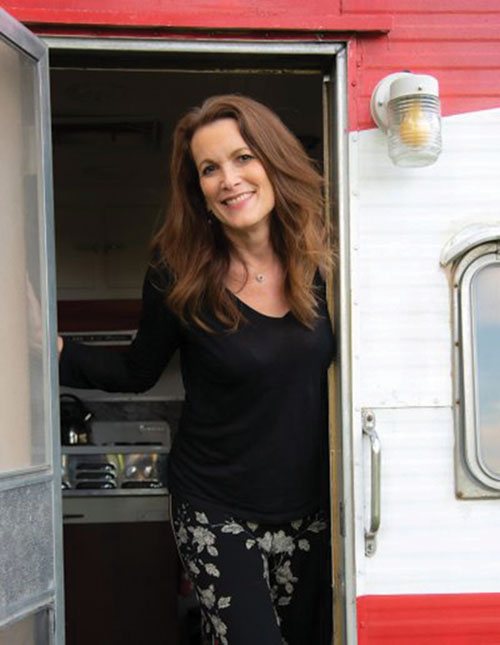
Jen Newberg Wants You to Feel Less Alone
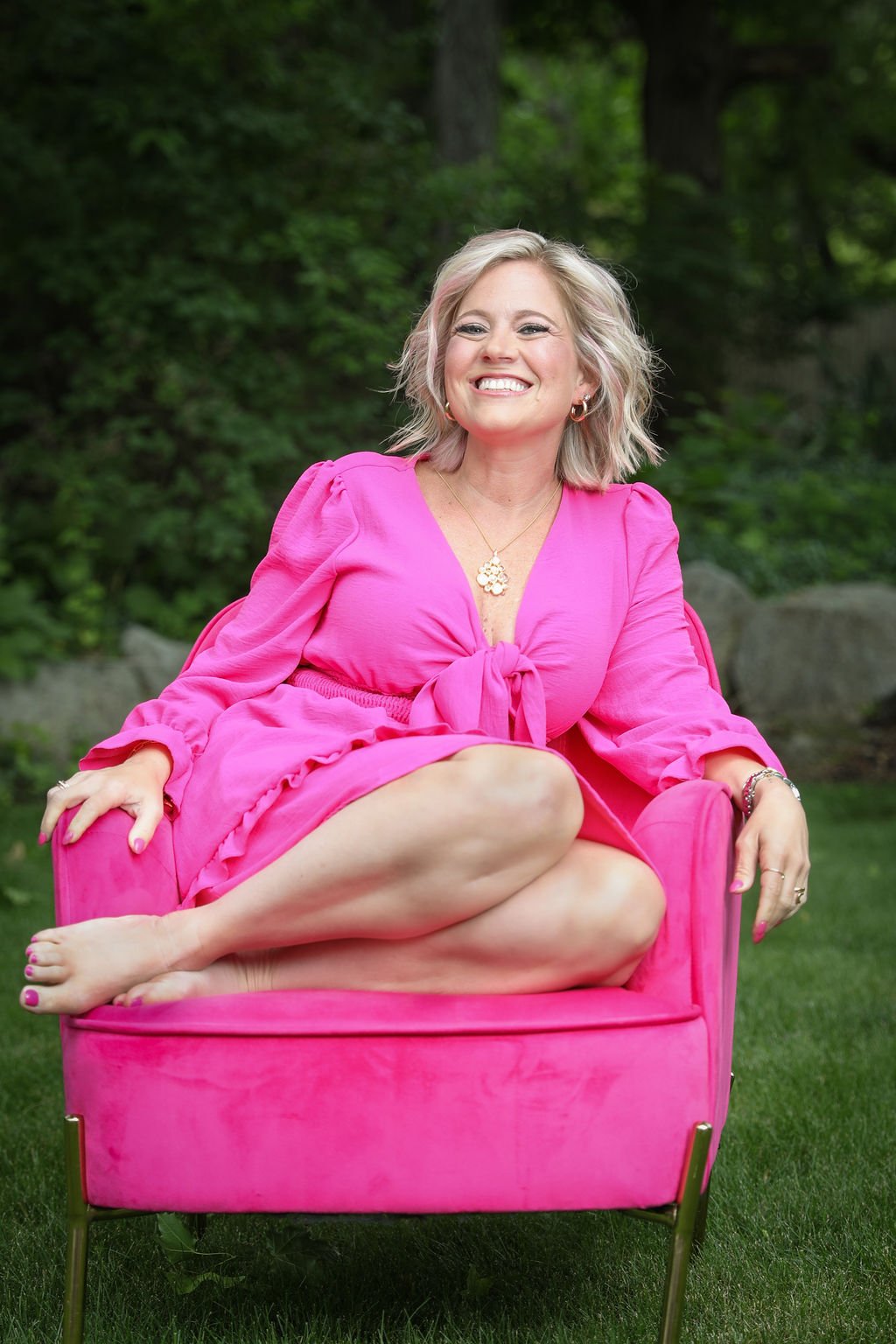
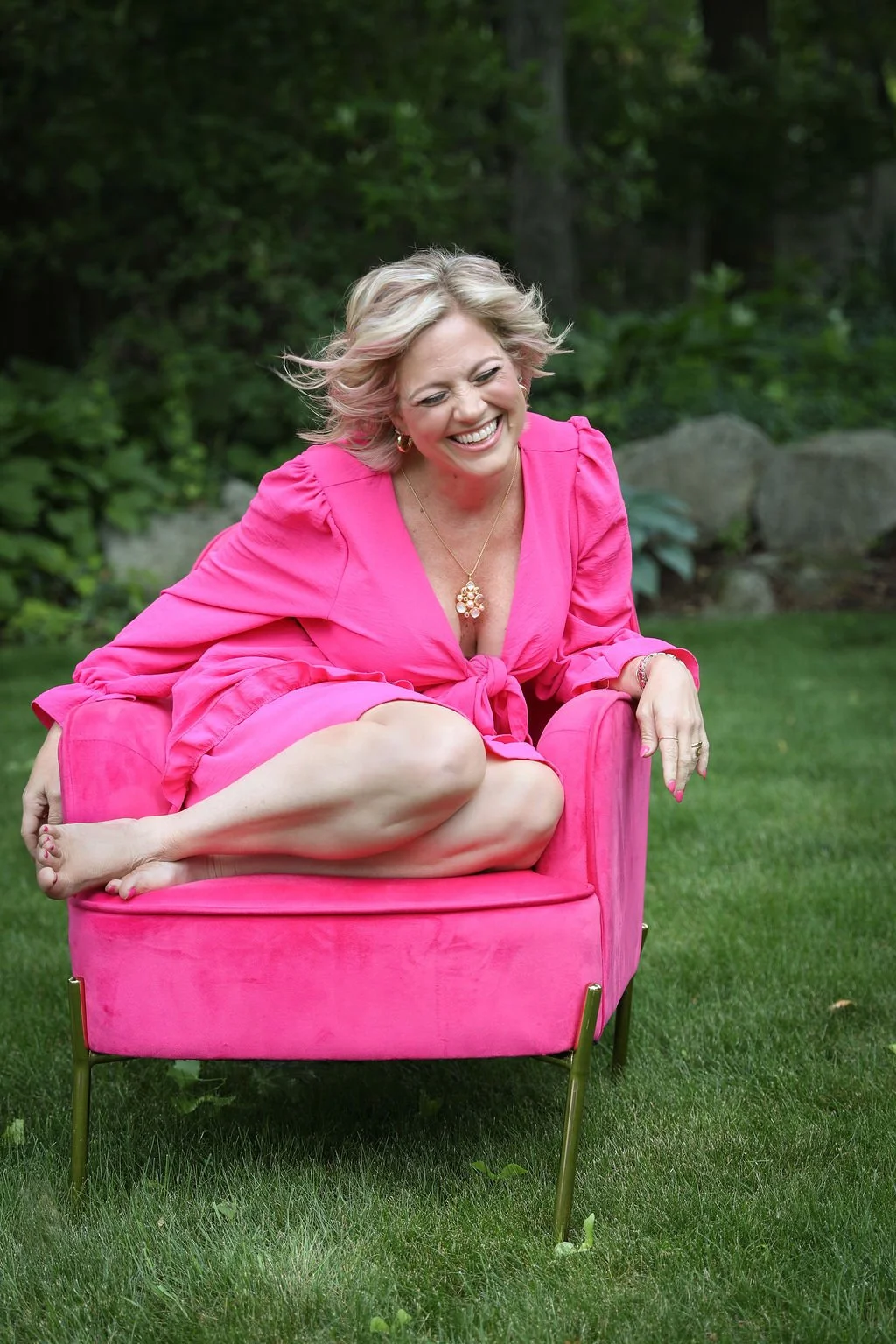
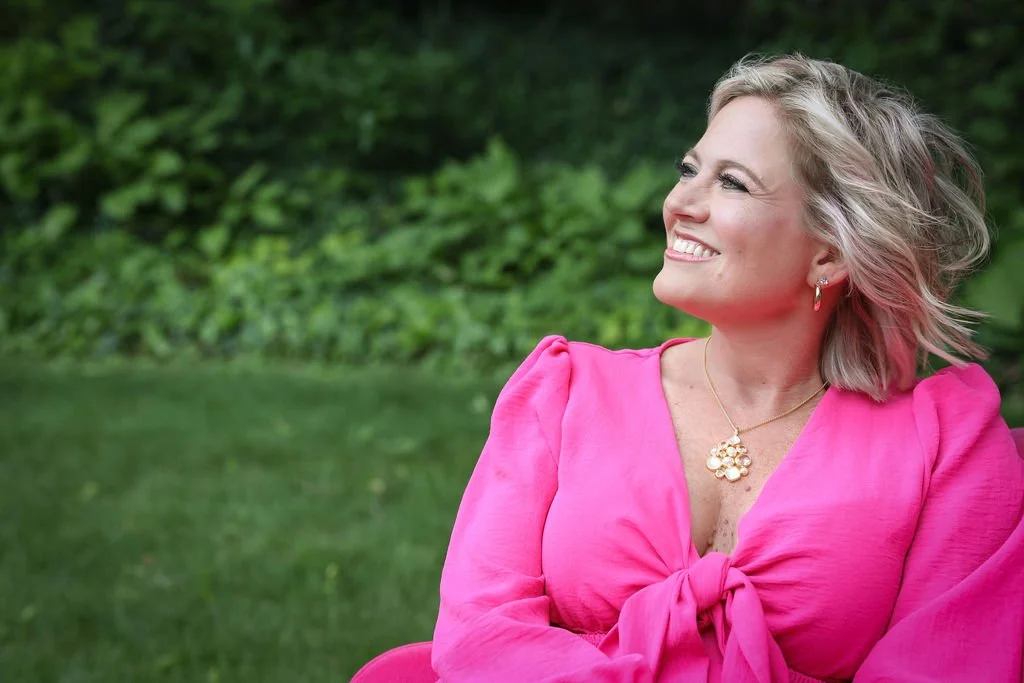
Photos: Stephanie C. Olsen
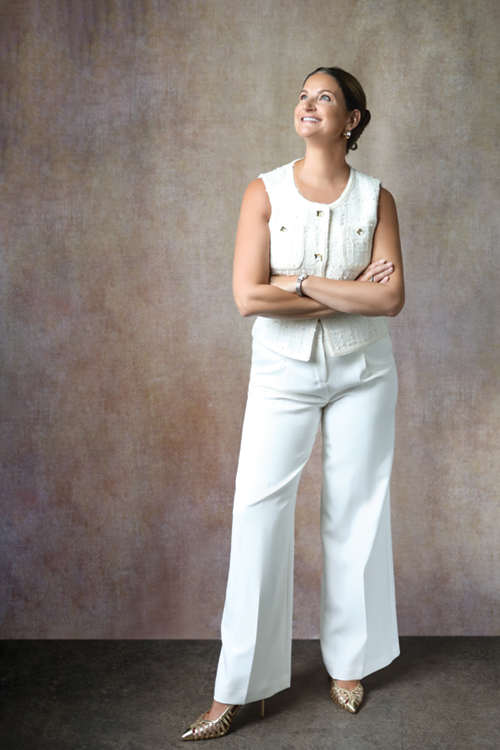
Jen Newberg knows three things for sure: Grief has no manual, life has no playbook, and people need people who “get it.” Jen Newberg gets it. Last year she became a widow. She needed to meet other widows her age because she has a million questions about life after loss, and her friends (her “grief allies”) can’t answer them. So, she built a retreat, and her people came to her.
I love circles of support, which is part of your mission, and your reminder, “there’s no playbook for life.” The company name, It’s Lifey, is perfect.
I heard the phrase “Life Gets Lifey,” and it stuck - because it’s true. Life isn’t linear; there’s no handbook for navigating life’s twists and turns. It’s why my company is called It’s Lifey,. Every day brings new challenges, and having a supportive community is essential. But it’s not about having people around you—it’s about being supported by people who get it. People who have been through what you’re facing or are in it with you now. That’s what I’m committed to building: strong, meaningful communities for those who need them most.
How did you realize we need community?
I met my husband, Jack, 12 years ago on Match.com—so yes, dating sites can work! As a second marriage for both of us, we knew what we wanted and were married within two years. I actually proposed to him!
We had a blended family with his two kids and my daughter, and we shared lots of joyful moments. We truly lived life to the fullest. One of the things I loved most about Jack was his incredible community of friends all over the world. Their constant presence, especially through his WhatsApp group, became a part of our life together.
Blending families isn’t easy! I often wished I had access to other moms who understood the complexities of step-parenting. It was a time I deeply needed community.
Another defining moment was when I got sober four years ago. I’m an alcoholic in active recovery, and my recovery community has been essential to my healing.
Whether in family, friendship, or sobriety, one thing has always been clear to me: we need people around us. People who understand and walk with us through it all.
What really led you to create It’s Lifey?
In 2023, my parents gifted us a trip to Greece—something deeply meaningful. Travel had been a big part of Jack’s and my life, so we spent a year planning the perfect getaway.
After a magical evening in Mykonos, Jack woke me at 4 a.m. and said, “I think I’m having a heart attack.” We were on a remote island in the off-season, with no 911. The hotel owner helped with CPR, my dad was on the phone, walking us through it, but Jack passed away before medics arrived.
What followed was chaos: police, the U.S. embassy, funeral logistics, and calling his family—all while trying to figure out how to tell our three kids. I flew home alone. It was the hardest ten hours of my life.
His funeral drew over 750 people. That’s a reflection of how loved he was. But I was suddenly a widow with three grieving kids and five of Jack’s businesses to manage. It was unthinkable. In November, I went on a solo wellness retreat in Costa Rica to recharge. It helped—but I felt out of place among a much younger crowd.
On the flight home, I thought of retreats for widows. Within six weeks, the first one was planned and sold out. That retreat became the start of It’s Lifey, short for Life Gets Lifey. I filed for my LLC, built a brand, and launched a business rooted in healing, connection, and community.
How has the It’s Lifey journey been so far?
In the early months of It’s Lifey, I had about 19 ideas—ranging from corporate programs to an app that connects people through shared life transitions. But the mission was always clear: to create safe, supportive communities for people navigating changes like divorce, recovery, career shifts, empty nesting, and more.
A calm, grounded woman told me, “You need to focus.” At the time, I had just launched my first widow’s retreat, and she invited me to lead a support group at the Common Street Spiritual Center in Natick. I said yes.
So, I chose to focus on two things: the retreat and my first support circle. That decision grounded me. This work has become a lifeline—something meaningful I can pour into. I now spend hours each week talking with widows, often I’m the first person they’ve truly opened up to.
I’m still shaping what It’s Lifey will become—LLC, nonprofit, or both—but I know the retreats will continue, and growing the circles of support is where my heart is. That’s the future.
Tell me about your first Circle of Support?
I started my first Circle of Support in Natick. My measure of success? The women stayed after the meeting, chatting in the hallway. That was my goal—to create a space where they didn’t feel alone. By the end of week one, we had a group text. By week two, one woman said it was the only thing she looked forward to all week. Heartbreaking—but exactly why I’m doing this: to connect people with others who truly get it.
By the third meeting, there were tears, laughter, and real gratitude. I’ve been experimenting with different formats: writing prompts, open sharing, and learning what works. Not everything lands (like the idea of everyone sharing their story each week), but that’s part of the process.
This is all new to me. I’ve always worked full-time but never started a business. And yet, I believe this is the greatest gift Jack left me: the time and means to figure out what It’s Lifey can become. It’s a tribute to him—he believed deeply in the power of community, too.
I know there are other communities out there—but there’s only one me. I bring honesty and a “tell-it-like-it-is” approach that people seem to appreciate. Because while others might say, “It’s going to be okay,” I’ll be honest with you: it’s not. But you won’t have to go through it alone.
For someone like me who is not part of the community you’ve built, what can I do or say?
When I came home from Greece, my house looked like a flower shop. The gesture was kind, but what really helped were gift cards and meals—because with three kids, I couldn’t think about cooking.
One woman told me her friend still texts her twice a week, even months later, just to say, “You got this.” That kind of steady support means more than flowers ever could. I shared this on the Grief and Happiness podcast, encouraging “grief allies” to keep showing up in small, consistent ways.
The truth is that most grieving people don’t know what they need. The flood of support fades quickly—not out of neglect, but because life moves on. What matters is the friend who texts, brings coffee, or helps hang a picture.
A few months after Jack died, I rented a dumpster, invited friends over, and cleaned out my house with music blasting. It was messy, cathartic, and even a little fun. Another friend helped me decorate with new furniture—small but healing steps forward.
If you want to help someone grieving, don’t ask—just offer something specific. The little things mean everything.
Is there an element to your business that does a circle of support for grief allies?
Not yet.
Yet.
I’m focused on building circles of support for widows and firmly believe support groups should never only be online. We’re wired for real human connection—you need people. The pandemic showed us that clearly. My retreats will always be in shared homes because there’s something special about sharing meals and space that can’t be replicated.
Community is central—from blended families to recovery groups to friends near and far. What stands out to me is how vital connection is.
I’ve been researching what former Surgeon General Dr. Vivek Murthy calls the loneliness epidemic—loneliness can harm your health as much as smoking 15 cigarettes a day. That idea sticks with me.
Most people have a community in everyday life—family, friends, groups. But during tough transitions, loneliness hits hardest, and that’s when community matters most.
Your “get it” community.
That’s when you need people who truly understand—because no one can fully grasp what it’s like to lose a husband. I was the first of my friends to get divorced and suddenly became the “expert,” with people reaching out just to talk. People need to feel seen, heard, and empowered.
When someone shares, “I wake up replaying how my husband died,” and others say, “Me too,” that’s all the connection you need.
Community doesn’t have to be big—it can be one person who “gets it.” Whether it’s one-on-one or a group, it’s equally powerful.
I’ve noticed many widows turn to Facebook groups—there are dozens with thousands of members. While online support can help, I want to get people off their phones and into real, in-person communities.
I’m an introvert too, so I understand the challenge of stepping out. That’s why my retreats start with a simple interest form, followed by a chat or coffee to build trust. Some women only come because a friend or family member brings them, and that’s okay.
This has been a journey—like in recovery, it’s one day at a time. I’ve learned to focus on doing one thing well before moving on.
Is there a parallel there with processing grief? You can’t move forward until you’ve really focused on one part of it.
There’s no single way to grieve. I didn’t cry much for ten months and thought something was wrong with me. Then on Jack’s birthday, the tears came—and haven’t really stopped since.
Grief doesn’t disappear; your life grows around it. Imagine two circles: grief starts big and life small, then grief slowly shrinks as life expands. Eventually, they settle—grief remains, but life goes on.
I feel grateful that It’s Lifey has helped me build life around my grief. Helping others helps me heal, too.
It’s been a year since Jack passed. I don’t have all the answers, but if I can help people find their people, I’ll be forever grateful.
You made a very uncomfortable discussion, very comfortable. I appreciate you.
Throughout my career, I’ve seen the power of partnership in all its forms. Between a publicist and a reporter, a brand and its consumer, two brands joining forces, or a nonprofit and a funder. One thing has always stood out: being in it together is far more powerful than going it alone. If you’re interested in collaborating, whether it’s hosting a Circle, a retreat or reaching and helping more people, email jennifer@itslifey.com